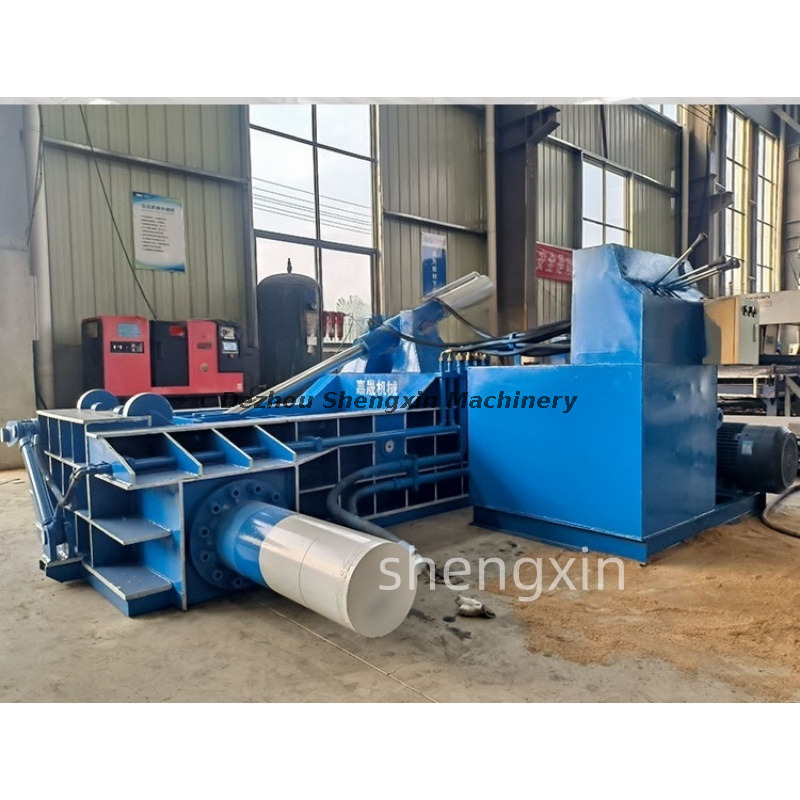
Ever wondered how metal recycling businesses manage massive scrap volumes efficiently? Enter the metal baler machine, a game-changer in recycling. This hydraulic baling press compacts metals, optimizing storage and transport. In this post, you'll learn about its vital role in the industry and the significant advantages it offers for your business.
Understanding Your Material Needs
Choosing the right hydraulic baling press starts with knowing the materials you handle. This understanding ensures you pick a machine that fits your metal recycling business perfectly.
Types of Metals for Recycling
Metals come in many forms—steel, aluminum, copper, and more. Each has unique properties affecting how they should be baled. For example, aluminum is lightweight and soft, requiring different pressure settings than steel, which is dense and tough. Knowing your metal types helps select a baler designed for those specific materials, improving efficiency and bale quality.
Volume of Material to be Processed
How much metal do you process daily or weekly? This volume determines the size and capacity of the baling press you need. A small operation might only need a compact machine, while a large recycler requires a high-capacity baler to avoid bottlenecks. Overestimating capacity leads to wasted investment; underestimating causes delays and lost productivity.
Matching Machine to Material
Not all balers are created equal. Some specialize in non-ferrous metals like copper and aluminum, while others handle heavy ferrous scrap like steel. Consider bale size and density requirements—some markets demand tightly compacted bales for better transport and storage. Also, think about the machine’s adaptability. A baler that allows adjusting pressure and bale size can accommodate varying metal types and volumes, giving you flexibility as your business grows.
Evaluating Size and Capacity
Choosing the Right Size for Your Business
Selecting the right size hydraulic baling press is essential for smooth operations. A machine too small slows down your workflow and causes bottlenecks. Too large, and you risk overspending on capacity you don’t need. Start by assessing your daily or weekly metal scrap volume. If your operation handles moderate amounts, a medium-sized baler might fit best. For high-volume recyclers, a larger press ensures continuous processing without delays. Also, consider the physical space available at your facility. Some balers require more floor space, which might limit options if your area is tight.
Capacity Considerations for Efficient Operations
Capacity isn’t only about size; it’s also about how much material the baler can process in a given time. Look for machines rated by tonnage and cycle speed. Higher tonnage presses apply greater pressure, producing denser bales that save storage and transport costs. However, a very high tonnage machine working on light metals might be inefficient. Cycle speed, or how quickly the baler completes each bale, affects throughput. Faster cycles mean more bales per shift, boosting productivity. Match capacity to your material type and volume to avoid downtime or overuse.
Balancing Cost and Capacity
Cost often drives the size and capacity decision. Larger, high-capacity balers come with higher upfront prices and maintenance costs. Yet, they can offer better long-term savings through efficiency and reduced labor. On the other hand, smaller balers are less expensive but might limit growth or require multiple units. Evaluate your budget alongside projected growth. Sometimes investing a bit more upfront prevents costly upgrades later. Also, consider energy consumption; bigger machines might use more power but could be more energy-efficient per bale.
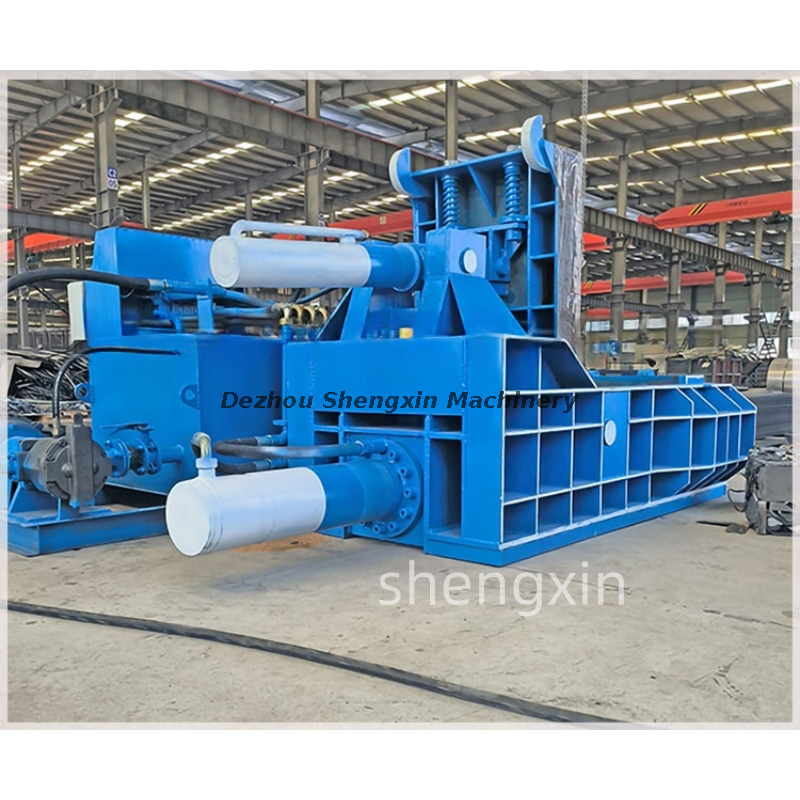
Automation and Efficiency in Baling Presses
Benefits of Automated Baling Presses
Automated hydraulic baling presses bring major advantages to metal recycling businesses. They reduce manual labor, minimizing worker fatigue and risk of injury. Automation ensures consistent bale size and density, improving product quality and making storage and transport more efficient. These presses operate faster than manual ones, increasing throughput and allowing you to process more material in less time. Automated systems often include sensors and controls that optimize pressure and cycle times, reducing energy consumption and wear on the machine. This leads to lower operating costs and longer equipment life.
Comparing Manual vs. Automated Options
Manual baling presses require operators to load, compress, and tie bales mostly by hand. They are generally less expensive upfront and simpler to maintain but demand more labor and time. Manual presses suit small operations or businesses with low scrap volumes. Automated baling presses, on the other hand, handle most of the process without constant human intervention. They require a higher initial investment and may need more complex maintenance but deliver better productivity and consistency. Choosing between manual and automated depends on your volume, budget, and labor availability. For growing businesses, automation often pays off by boosting output and reducing downtime.
Enhancing Productivity with Automation
Automation can transform your metal recycling workflow. Features like auto-tie systems save time by bundling bales quickly and securely. Programmable controls let you adjust bale size and pressure settings easily, adapting to different metal types. Integration with conveyors and feeders streamlines material handling, reducing bottlenecks. Some advanced balers offer remote monitoring and diagnostics, helping you spot issues early and schedule maintenance proactively. These capabilities keep your operations running smoothly and maximize uptime. By cutting cycle times and labor needs, automation frees your team to focus on other value-adding tasks.
Safety Features and Employee Training
Essential Safety Features to Consider
Hydraulic baling presses are powerful machines with moving parts that can pose serious risks if not properly safeguarded. When selecting a baler, prioritize safety features designed to protect your team and prevent accidents. Look for emergency stop buttons placed within easy reach, allowing operators to halt the machine instantly in case of an emergency. Safety gates or interlocking doors are crucial; they prevent the baler from operating when access panels are open, ensuring no one can reach inside while the machine runs. Additionally, pressure relief valves help avoid overloading, protecting both the machine and operators.
Other important features include warning alarms and indicator lights that alert workers to machine status or malfunctions. Some advanced balers come equipped with safety mats or light curtains that detect human presence near dangerous areas and automatically stop operation. These features not only protect employees but also help your business comply with workplace safety regulations, reducing liability risks.
Importance of Staff Training
Even the safest machines require well-trained operators. Investing in comprehensive training programs ensures your staff understands how to use the baler correctly and safely. Training should cover machine operation, recognizing warning signals, emergency procedures, and routine maintenance basics. Proper training reduces human error, which is a leading cause of workplace accidents.
Regular refresher courses keep safety top of mind and update employees on any changes in equipment or procedures. Encourage a culture where workers feel comfortable reporting safety concerns or malfunctions immediately. Well-informed staff can also help identify potential hazards before they cause harm, boosting overall workplace safety.
Maintaining a Safe Work Environment
Safety doesn’t stop at the machine and training—it extends to the entire work environment. Keep the area around the baler clean and free from clutter to prevent trips or falls. Mark safe walkways and ensure good lighting to improve visibility. Establish clear protocols for loading materials safely and disposing of bales to avoid injuries.
Regularly inspect safety devices and machine components to ensure everything works properly. Scheduled maintenance helps prevent unexpected breakdowns that could endanger workers. Display safety signs and instructions near the baler as constant reminders.
By combining reliable safety features, thorough employee training, and a well-maintained workspace, you create a safer environment for everyone. This reduces downtime, lowers accident-related costs, and improves morale, making your metal recycling business more productive and sustainable.
Durability and Maintenance of Hydraulic Baling Presses
Factors Influencing Durability
Durability is key for hydraulic baling presses since they often run for long hours under heavy loads. The machine’s build quality plays a major role—look for solid steel frames and high-grade components that resist wear and tear. The quality of hydraulic cylinders, pumps, and seals also affects lifespan. Machines from reputable manufacturers tend to last longer because they use better materials and have stricter quality controls.
Environmental factors matter too. Operating in dusty, wet, or corrosive environments can shorten a baler’s life unless it’s designed to handle such conditions. Also, how the machine is used impacts durability. Overloading or running the press beyond its rated capacity causes premature damage. Proper operation within guidelines ensures the machine stays reliable.
Regular Maintenance Practices
Regular maintenance keeps your baling press running smoothly and prevents costly breakdowns. Daily checks should include inspecting hydraulic fluid levels, looking for leaks, and cleaning debris from moving parts. Lubricate joints and bearings as recommended by the manufacturer to reduce friction and wear.
Scheduled maintenance involves changing hydraulic oil and filters, tightening bolts, and examining hoses for cracks or wear. Inspect electrical components and safety devices regularly to ensure they function correctly. Keep a maintenance log to track performed tasks and identify recurring issues early.
Training operators to spot warning signs like unusual noises, slow cycle times, or erratic pressure helps catch problems before they escalate. Prompt repairs minimize downtime and extend machine life.
Cost-Effective Maintenance Strategies
Maintenance costs add up, but smart strategies can save money over the long term. Use genuine replacement parts to avoid compatibility issues or faster wear. Implement a preventive maintenance plan rather than waiting for failures. This approach reduces emergency repairs, which are often more expensive and disruptive.
Consider predictive maintenance technologies, such as sensors that monitor pressure, temperature, and vibration. These tools alert you to potential faults early, allowing planned repairs during scheduled downtime.
Partnering with a trusted service provider ensures expert support and access to quality parts. Some manufacturers offer maintenance contracts that include routine service visits and priority repairs, which can be cost-effective for busy operations.
| Feature | Description |
| Material Needs | Select a baler based on the types of metal you process (steel, aluminum, copper, etc.) for optimal efficiency. |
| Volume of Material | Match the baler’s capacity to the daily or weekly volume of scrap metal to avoid bottlenecks and inefficiencies. |
| Baler Size | Choose a baler size based on scrap volume and available space. Over or under-sizing can affect productivity. |
| Automation | Automated balers reduce manual labor, improve bale consistency, and boost throughput for high-volume operations. |
| Safety Features | Features like emergency stops, interlocking doors, and pressure relief valves protect operators and ensure safety. |
| Maintenance Practices | Regular maintenance includes checking hydraulic fluid, cleaning, lubricating parts, and inspecting for wear. |
| Energy Efficiency | Look for balers with energy-saving features like variable frequency drives to reduce power consumption. |
| Cost-Benefit Analysis | Evaluate the machine’s initial cost vs. long-term savings in efficiency, labor, and reduced downtime. |
| Durability | Machines with solid steel frames and high-grade components last longer and handle heavy-duty workloads better. |
Cost and Sustainability Considerations
Initial Investment vs. Long-Term Benefits
Buying a hydraulic baling press requires a solid upfront investment. Prices vary based on size, capacity, and automation features. While the initial cost might seem high, it’s crucial to think beyond the purchase price. A well-chosen machine can lower labor costs, reduce waste handling time, and improve bale quality, all of which boost profits over time. Investing in durable, efficient equipment means fewer repairs and replacements, saving money in the long run. Some businesses find that paying a bit more upfront avoids costly downtime and upgrades later.
Energy Efficiency and Environmental Impact
Energy use is a big factor in operating costs and sustainability. Modern hydraulic baling presses often feature energy-saving technologies like variable frequency drives and optimized hydraulic systems. These reduce power consumption without sacrificing performance. Using energy-efficient machines helps lower your carbon footprint, aligning your business with growing environmental standards. Plus, denser bales mean fewer trips for transport, cutting fuel use and emissions. Choosing a baler designed for your specific metal type and volume ensures you don’t waste energy on overpowered equipment.
Conducting a Cost-Benefit Analysis
Before buying, run a thorough cost-benefit analysis. Start by listing all costs: purchase price, installation, maintenance, energy, and labor. Then weigh these against benefits like faster processing, reduced storage needs, and higher bale value. Don’t forget to include potential savings from fewer accidents or downtime due to better safety and durability. Also, consider your business growth plans—will the machine handle increased volume without extra costs? This analysis helps make a smart purchase that fits your budget and long-term goals.
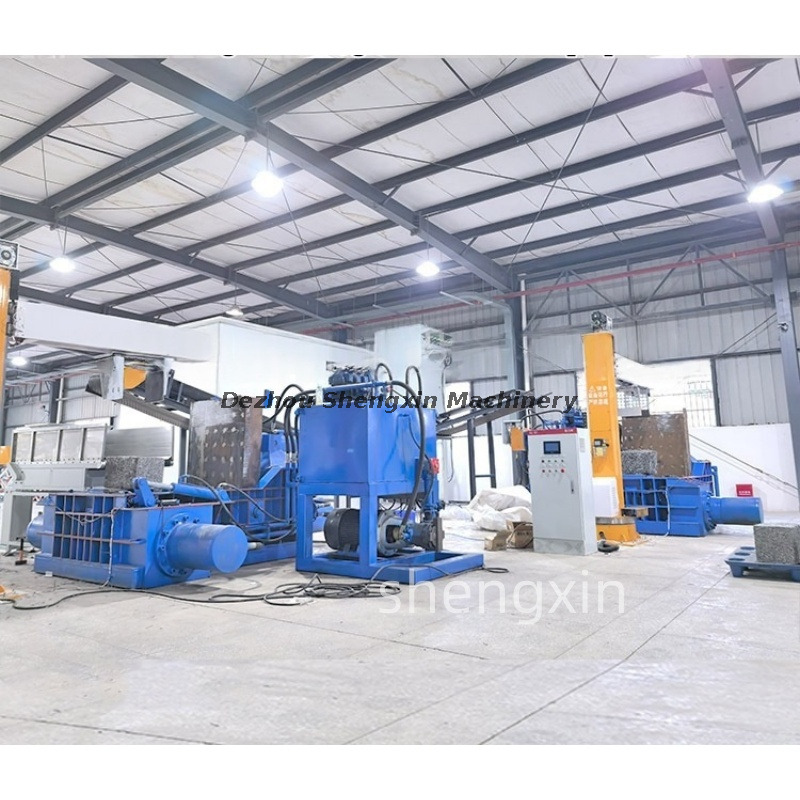
Conclusion: Making the Right Choice for Your Business
Choosing the right hydraulic baling press involves understanding material needs, evaluating size and capacity, and considering automation benefits. Align your machine choice with business goals to enhance efficiency and productivity. Investing in a hydraulic baling press can offer long-term savings and sustainability. Shengxin provides durable and efficient balers that meet diverse recycling needs, ensuring value for your investment. Their machines feature advanced safety and energy-efficient technologies, making them a reliable choice for metal recycling businesses.
FAQ
Q: What is a metal baler machine used for in recycling?
A: A metal baler machine compresses scrap metal into compact bales, making storage and transport more efficient for recycling businesses.
Q: How can I choose the right metal baler machine for my business?
A: Consider the types and volume of metals you process, and select a baler that matches these needs to maximize efficiency and productivity.
Q: Why invest in an automated metal baler machine?
A: Automated metal baler machines reduce manual labor, increase throughput, and ensure consistent bale quality, enhancing overall efficiency.
Q: What factors affect the cost of a metal baler machine?
A: Costs depend on size, capacity, automation features, and energy efficiency, with larger, automated machines typically having higher upfront prices.


