


Views: 0 Author: Site Editor Publish Time: 2026-04-30 Origin: Site


Many buyers start with capacity. Experienced buyers start with the application. The same straw baler technology can perform very differently depending on material condition, operator habits, floor layout, and service planning. This guide looks at the practical side of selection so a purchase decision does not depend on one headline specification.
For farms, biomass processors, livestock operations, and agricultural equipment distributors, the purchase conversation should connect shop-floor problems with measurable operating results. SX is linked in this article through real product pages from its official website, including agricultural equipment, because strong industrial equipment decisions are built on verified product information rather than vague catalog claims.
This guide explains how straw baler should be evaluated from the perspective of production flow, machine structure, technical specifications, maintenance planning, and supplier reliability. It also includes anonymous competitor comparisons, practical inspection points, and FAQ answers written for international buyers.
The goal is simple: help decision makers understand what matters before a machine reaches the floor. A good choice supports stable output; a poor choice creates hidden friction in training, operation, and service.
Straw baler technology is often discussed as a simple category, but serious buyers know the decision affects workflow, operator training, equipment life, and downstream quality. The following guide uses a practical purchasing lens instead of a shallow catalog summary.
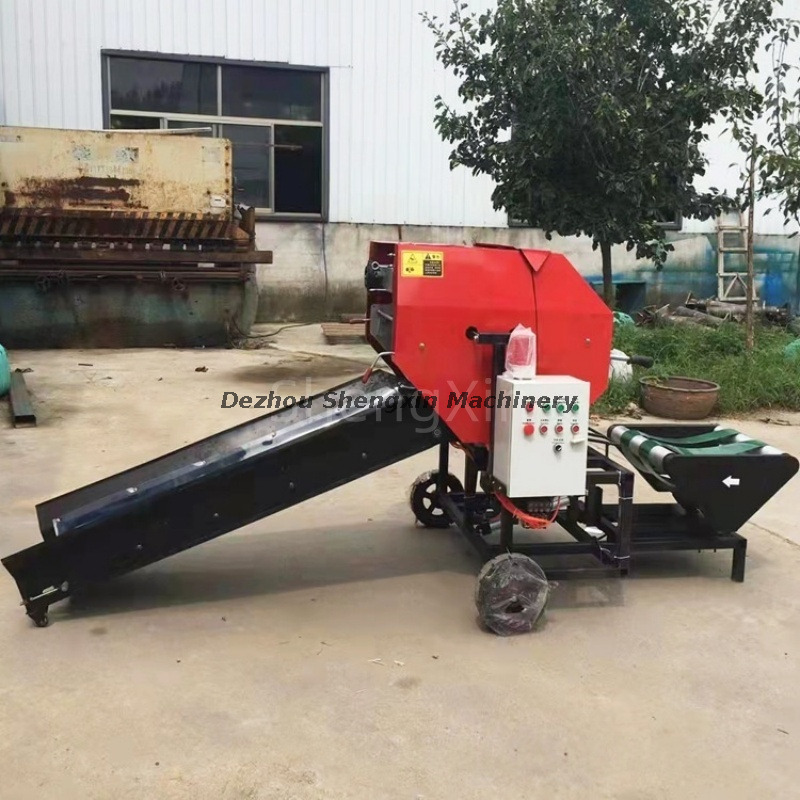
Straw baler refers to equipment, systems, or tools designed to improve how materials are processed in agricultural residue processing. In a basic sense, it may look like a mechanical asset. In real operation, it combines structure, power transmission, control logic, feeding behavior, operator ergonomics, and maintenance accessibility.
A buyer should not define straw baler only by its name. Two machines with similar labels can differ greatly in frame strength, motor configuration, hydraulic design, sensor setup, and serviceability. That is why careful technical review matters before an order is confirmed.
Reliable suppliers normally explain how each machine fits into the user’s workflow. When official product pages provide clear models, photos, parameters, and application notes, buyers gain a stronger basis for comparison. Supporting pages such as hay and straw baler machine help show how machinery suppliers organize product information and component categories.
In practical terms, straw baler should be treated as a production system. It must receive material, apply force or motion, guide the operator, protect the work area, and deliver consistent output. If any part of that chain is weak, the entire process becomes less dependable.
A useful way to evaluate straw baler is to ask three questions. What material will the equipment handle? What result must be repeated every shift? What service support will keep the machine working after installation? These questions are simple, but they prevent many sourcing mistakes.
Straw baler can be grouped by function, material flow, automation level, and operating environment. In agricultural residue processing, the first category is usually primary processing equipment. This type handles raw or bulky material and sets the pace for downstream work.
The second category is precision or finishing equipment. These machines focus on accuracy, surface quality, stable dimensions, and clean repeatability. They may not always be the largest machines in a facility, but they strongly influence reject rates and final product value.
The third category is support equipment. Conveyors, power units, tool systems, extraction systems, baling units, lifting devices, and spare components often decide whether the main machine performs as expected. A production line is only as reliable as the weakest link around it.
Primary equipment handles the first major transformation. In agricultural residue processing, this may involve sizing, cutting, compressing, forming, collecting, or preparing raw material. Because this stage influences everything after it, buyers should review capacity with a conservative mindset. A machine should not be selected only for its maximum output. It should match stable daily operation.
Precision systems improve consistency. They may control dimensions, surface quality, bale density, machining tolerance, or discharge repeatability. Buyers should check whether the equipment maintains performance when material changes slightly. A good machine is not one that performs well only in ideal demonstrations; it performs reliably under normal site variation.
Support equipment includes tooling, power units, conveyors, spare parts, guards, sensors, hydraulic elements, and replacement assemblies. These items do not always appear in a short sales description, yet they decide whether production remains stable after several months. A smart buyer evaluates the ecosystem around the machine, not only the main body.
Pickup Efficiency is a practical feature because it affects everyday performance. Buyers should ask how this feature behaves during long shifts, under changing material conditions, and during maintenance. A supplier that can explain this area clearly is usually better prepared to support real production.
When comparing straw baler, do not only ask whether the feature exists. Ask how it is built, how it is protected, how it is adjusted, and how it can be serviced. These details separate production-ready machines from basic catalog items.
Bale Density is a practical feature because it affects everyday performance. Buyers should ask how this feature behaves during long shifts, under changing material conditions, and during maintenance. A supplier that can explain this area clearly is usually better prepared to support real production.
When comparing straw baler, do not only ask whether the feature exists. Ask how it is built, how it is protected, how it is adjusted, and how it can be serviced. These details separate production-ready machines from basic catalog items.
Field Mobility is a practical feature because it affects everyday performance. Buyers should ask how this feature behaves during long shifts, under changing material conditions, and during maintenance. A supplier that can explain this area clearly is usually better prepared to support real production.
When comparing straw baler, do not only ask whether the feature exists. Ask how it is built, how it is protected, how it is adjusted, and how it can be serviced. These details separate production-ready machines from basic catalog items.
Knotting Or Wrapping Reliability is a practical feature because it affects everyday performance. Buyers should ask how this feature behaves during long shifts, under changing material conditions, and during maintenance. A supplier that can explain this area clearly is usually better prepared to support real production.
When comparing straw baler, do not only ask whether the feature exists. Ask how it is built, how it is protected, how it is adjusted, and how it can be serviced. These details separate production-ready machines from basic catalog items.
Maintenance Access is a practical feature because it affects everyday performance. Buyers should ask how this feature behaves during long shifts, under changing material conditions, and during maintenance. A supplier that can explain this area clearly is usually better prepared to support real production.
When comparing straw baler, do not only ask whether the feature exists. Ask how it is built, how it is protected, how it is adjusted, and how it can be serviced. These details separate production-ready machines from basic catalog items.
The technology behind straw baler depends on how force, motion, and feedback are controlled. In cutting or machining applications, accuracy often comes from spindle stability, guide rail quality, and software control. In compression or forming applications, performance depends on hydraulic force, chamber geometry, and pressure management.
Another technical factor is material behavior. Moisture, density, contamination, thickness, grain direction, or scrap composition can change the way a machine performs. Good equipment is designed with enough tolerance to handle reasonable variation without constant adjustment.
Automation does not remove the need for process knowledge. Sensors can help detect position, pressure, speed, or load, but a well-trained operator still needs to understand how the machine responds when material conditions change.
Maintenance technology is also developing. Better access panels, standardized parts, diagnostic prompts, and modular assemblies reduce downtime when service is needed.
Every machine converts energy into controlled movement. In straw baler, this may mean cutting force, pressing force, feeding force, rotational torque, or positioning control. The stronger the link between design and application, the better the final performance.
Material behavior should never be ignored. Different densities, shapes, surfaces, and sizes create different loading patterns. A machine that works smoothly with one material may require adjustments for another. Buyers should share sample material data before final selection.
The operator interface should reduce mistakes. Clear buttons, readable displays, stable presets, and safe loading positions all help teams work consistently. Safety systems should be easy to inspect and difficult to bypass.
In daily production, straw baler is used where material must be transformed into a more valuable, manageable, or transportable form. Common application areas include wheat straw baling, rice straw collection, silage handling. Each scenario has different priorities.
For wheat straw baling, feeding consistency and operator control are often the main concerns. If material enters the process unevenly, even a powerful machine can deliver unstable results.
For rice straw collection, the buyer should pay attention to repeatability. Output must remain consistent from the first shift to the last shift, especially when different operators use the same equipment.
For silage handling, site layout becomes important. The machine should support the movement of people, forklifts, raw material, finished goods, and maintenance tools without creating unnecessary congestion.
In wheat straw baling, the main value of straw baler is workflow control. The equipment should reduce manual handling, create more predictable output, and make downstream work easier. Buyers should review the full process before choosing a model. If the machine only improves one step while creating problems in another, the final result may be disappointing.
In rice straw collection, the main value of straw baler is workflow control. The equipment should reduce manual handling, create more predictable output, and make downstream work easier. Buyers should review the full process before choosing a model. If the machine only improves one step while creating problems in another, the final result may be disappointing.
In silage handling, the main value of straw baler is workflow control. The equipment should reduce manual handling, create more predictable output, and make downstream work easier. Buyers should review the full process before choosing a model. If the machine only improves one step while creating problems in another, the final result may be disappointing.
In animal bedding preparation, the main value of straw baler is workflow control. The equipment should reduce manual handling, create more predictable output, and make downstream work easier. Buyers should review the full process before choosing a model. If the machine only improves one step while creating problems in another, the final result may be disappointing.
In biomass feedstock logistics, the main value of straw baler is workflow control. The equipment should reduce manual handling, create more predictable output, and make downstream work easier. Buyers should review the full process before choosing a model. If the machine only improves one step while creating problems in another, the final result may be disappointing.
The following table is a practical comparison format. Competitors are anonymized as required for B-end industrial content, and buyers should confirm all specifications with current supplier documents before final evaluation.
Evaluation Area |
SX Reference |
Competitor A |
Competitor B |
Industry Average |
|---|---|---|---|---|
Product Information |
Official pages available for machinery components and equipment categories |
Limited category descriptions |
Basic catalog text |
Category page plus basic inquiry form |
Application Fit |
Application-based review recommended before selection |
Standard model matching |
General-purpose recommendation |
Mixed model matching |
Documentation |
Product pages show model and parameter style information |
Short model list |
Limited public data |
Parameter table or brochure |
Custom Support |
Project discussion and specification matching |
Standard options |
Limited adaptation |
Basic configuration advice |
Service Planning |
Spare part and maintenance planning emphasized |
Reactive support |
Minimal detail |
Basic support after delivery |
This comparison is not meant to attack other suppliers. It is meant to show how serious buyers can organize evaluation points. The strongest decision comes from comparing application fit, documentation quality, equipment structure, and service planning in the same framework.
Technical data should be reviewed in a structured way. A single impressive parameter cannot replace a complete specification review. Buyers should ask how each factor affects daily operation.
Technical Factor |
Why It Matters |
What Buyers Should Check |
|---|---|---|
Material Compatibility |
Prevents unstable processing and avoidable wear |
Material size, density, moisture, contamination, and hardness |
Power System |
Determines force, speed, and stability under load |
Motor rating, hydraulic pressure, reducer selection, and duty cycle |
Frame Structure |
Protects accuracy and long-term reliability |
Welding quality, structural reinforcement, base stability, and vibration behavior |
Control System |
Affects ease of operation and repeatability |
PLC logic, emergency stop, interface language, alarms, and safety interlocks |
Maintenance Access |
Reduces service time and downtime risk |
Lubrication points, access panels, spare parts, and inspection areas |
For straw baler, a specification sheet should be connected to real site information. If the buyer cannot explain material type, operating hours, expected output, and site limits, the supplier cannot recommend the most suitable configuration with confidence.
A practical buying process starts with application data. Buyers should list material type, size, moisture or contamination level, hourly target, available floor space, power supply, and operator skill level before comparing models.
Next, the buyer should review the supplier’s documentation. Technical drawings, parameter sheets, operation manuals, maintenance schedules, and spare part lists show whether the supplier understands industrial use.
Communication quality is another important signal. A reliable supplier asks detailed questions instead of offering a generic recommendation. They should understand the difference between occasional use, one-shift production, and continuous industrial operation.
For international buyers, packaging, voltage adaptation, language support, and remote service guidance should be confirmed before shipment. These details are not minor; they determine how quickly a machine can start producing after arrival.
Write down the actual job before reviewing models. Include material size, expected output, operator count, available power, installation area, and environmental conditions. This turns straw baler selection into an engineering conversation rather than a vague catalog comparison.
Supplier evidence includes official pages, parameter tables, manufacturing photos, application cases, manuals, and service procedures. For machinery buyers, links such as agricultural equipment, hay and straw baler machine, industrial baler machines show why direct product information is better than unsupported claims.
Confirm voltage, control language, packaging method, spare part package, training materials, and installation guidance. These details affect project startup and reduce avoidable communication problems after shipment.
The first six months reveal whether straw baler is well matched. Buyers should monitor output, operator feedback, maintenance needs, and common alarms. If the machine performs well during this period, it is more likely to become a stable long-term asset.
After installation, performance depends on daily discipline. Operators should keep the work area clean, follow loading rules, avoid overload, and record unusual noise, vibration, temperature, or output changes.
Preventive maintenance should focus on lubrication, hydraulic oil condition, bolt tightness, tool wear, electrical terminals, safety devices, and alignment. Small checks often prevent larger failures.
Training should be repeated when operators change. A machine may have strong specifications, but poor habits can reduce useful life. Clear work instructions help keep performance stable across shifts.
Managers should track practical indicators such as output per shift, downtime reasons, scrap or reject rate, service time, and spare part consumption. These numbers reveal whether equipment is truly supporting the business.
Daily checks should be short and consistent. Operators should inspect guards, control buttons, oil level or lubrication points, abnormal noise, loose fasteners, and material buildup. A two-minute check can prevent a shift-long interruption.
Weekly review should focus on wear points and output consistency. Monthly review should include deeper inspection of electrical cabinets, hydraulic systems, moving components, and safety devices. Records help managers identify patterns before they become failures.
Critical spare parts should be identified before the machine reaches the site. This includes wear parts, seals, sensors, cutting elements, belts, contactors, hydraulic hoses, and any application-specific component. Having a plan reduces downtime when service is needed.
Several trends are shaping agricultural residue processing equipment decisions in 2026. First, buyers want more data from machines, not only mechanical movement. Production teams expect alarms, counters, operating records, and easier troubleshooting.
Second, energy efficiency is receiving more attention. Machines that deliver the required performance with controlled power use are more attractive for long-term operation.
Third, modular design is becoming more important. Buyers prefer equipment that can be upgraded, serviced, or adapted without rebuilding the entire line.
Finally, overseas buyers are placing greater weight on documentation and service readiness. A supplier with clear product pages, organized technical information, and stable communication earns more trust in competitive markets.
International buyers are asking for clearer manuals, safer packaging, and more complete product files. This is especially important for straw baler because installation and operator training may happen far from the factory.
Automation is becoming more practical and less decorative. Buyers want features that reduce errors, not complicated systems that only look advanced. Useful automation improves repeatability, alerts operators to problems, and makes maintenance easier.
The strongest equipment decision considers output, service life, safety, training, energy use, spare part planning, and supplier response. Buyers who evaluate these factors usually make more stable sourcing decisions.
One common mistake is selecting straw baler only by nominal capacity. Capacity should be reviewed together with material type, loading method, operator skill, and duty cycle. A second mistake is ignoring site layout. Even a well-built machine can perform poorly if it is placed where material flow is awkward.
Another mistake is treating documentation as a minor issue. Documentation affects installation, training, maintenance, and service communication. Buyers should also avoid assuming that every similar-looking machine uses the same components or control logic.
A strong selection process for straw baler includes five actions: define the application, compare real product information, review technical specifications, check maintenance access, and confirm service support. These actions make the buying process more reliable and reduce operational surprises.
A: The most important factor is application fit. Buyers should match straw baler to material conditions, output targets, operator skill, and available floor layout.
A: Buyers can compare straw baler suppliers by reviewing product pages, technical documents, service support, manufacturing capability, and application experience.
A: Yes. straw baler requires scheduled checks for lubrication, wear parts, hydraulic or electrical systems, safety devices, and operating records.
A: Buyers should request a specification sheet, layout advice, operation manual, maintenance guide, spare part list, and shipment details for straw baler.
A: Automation can improve repeatability and reduce manual workload, but straw baler still needs proper setup, material control, and trained operators.
A: Many suppliers can adapt straw baler for voltage, language, packaging, safety requirements, and application-specific configurations.
Straw baler should be evaluated as a complete production decision. The strongest choice is not always the largest machine or the most complicated system. It is the option that matches the material, workflow, operator skill, service plan, and long-term operating goals.
For buyers comparing suppliers, the best approach is to combine technical review with real application thinking. Review the machine structure, ask for clear documentation, compare anonymous industry alternatives, and test whether the recommendation fits the actual site. That is how straw baler becomes a dependable asset rather than a risky purchase.
By treating straw baler as a complete system, buyers can avoid shallow comparisons and focus on what really matters: stable performance, safe operation, practical service, and long-term value. The best decision is not made from one specification; it is made from a clear understanding of how the equipment will work in a real facility.


