Prevent silage spoilage and mechanical failure. Upgrade to a heavy-duty round baler with reinforced chambers, pre-cutting rotors, and film binding for high-moisture crops.
Facilities generating massive volumes of waste paper face a frustrating operational reality. Open dumpsters quickly fill up with empty corrugated boxes, creating a costly logistical headache. You effectively pay premium hauling fees just to transport air. This creates a devastating double loss for high-volume warehouses and retail centers. You spend heavily on frequent waste pickups while simultaneously forfeiting the raw commodity value of your materials. Every uncompressed box represents lost revenue and wasted floor space.
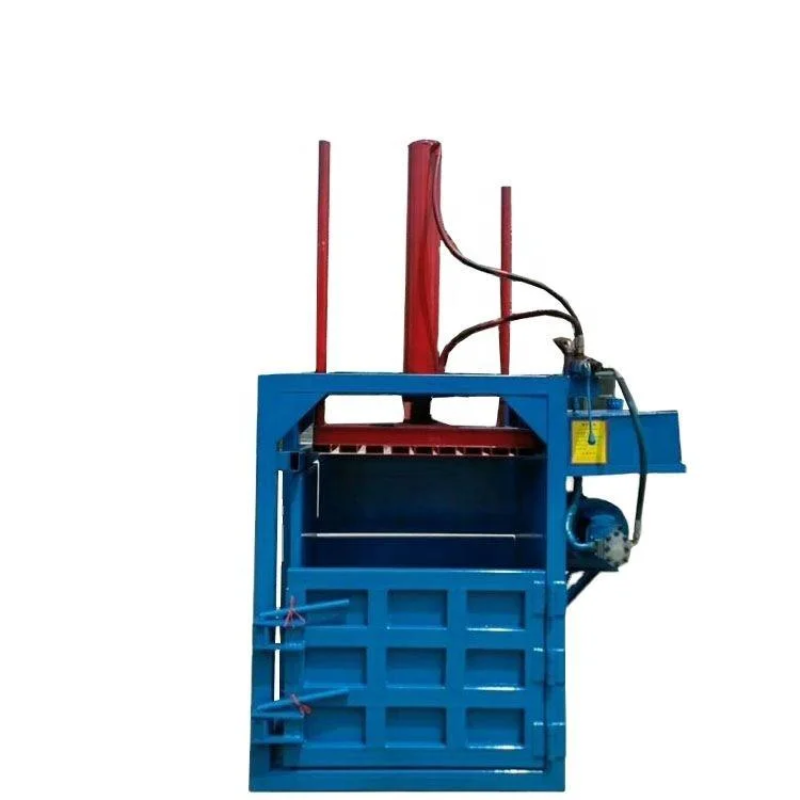
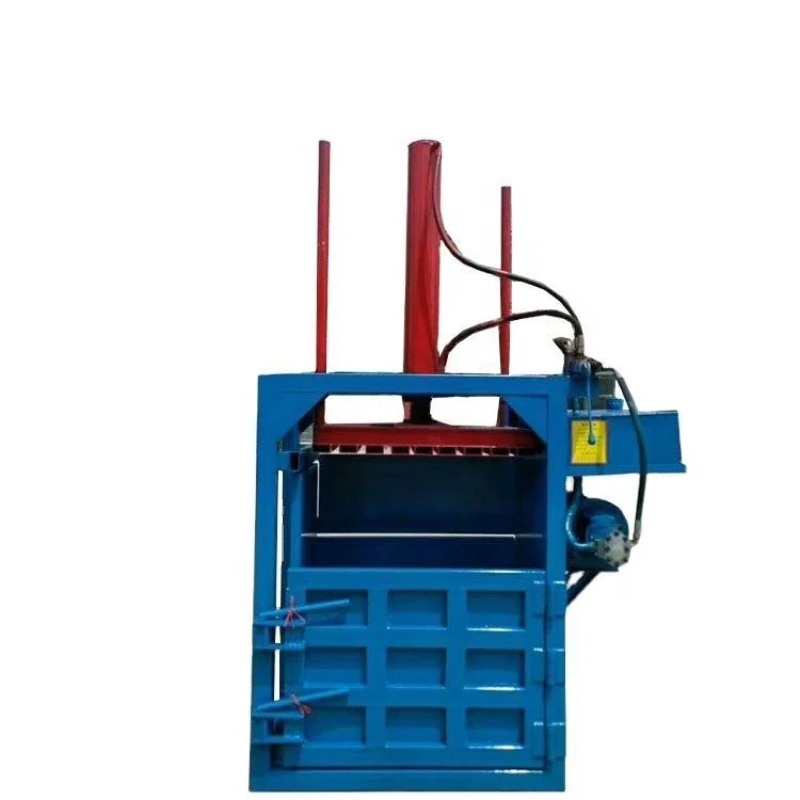
A specialized vertical baler offers a targeted intervention. It reduces waste volume by up to 90%, allowing facilities to regain critical floor space. Loose old corrugated containers (OCC) quickly convert into mill-ready revenue. This guide provides a clear, criteria-driven framework for selecting the right equipment. You will learn how to evaluate capacity sizing, spatial constraints, and safety features. By understanding these elements, you can easily match the best machinery to your specific footprint and waste stream.
Key Takeaways
Financial Pivot: Transitioning from an outdoor cardboard compactor to an indoor recycling baler shifts waste management from a pure operating expense to a cost-recovery model.
Sizing Matters: Equipment selection must align with ceiling heights, pallet jack accessibility, and the target bale weight (e.g., 60-inch "mill-sized" bales for maximum resale value).
Compliance & Safety: Modern equipment must feature redundant electrical interlocks, slow-release pressure mechanisms, and low-decibel operation (target: 60–65 dB).
Operational Integration: Evaluating door types, tying workflows, and IoT monitoring capabilities prevents workflow bottlenecks and hidden maintenance costs.
Halting the Double Loss: Why Upgrade to a Recycling Baler?
Frequent hauler pickups combined with loose cardboard accumulation silently drain facility profitability. Unbaled waste requires more dumpsters and takes up valuable warehouse real estate. Haulers charge per trip, meaning you pay high fees to move loosely packed air. A dedicated recycling baler immediately stops this financial leak. It turns scattered boxes into dense, manageable blocks.
Many facility managers confuse different types of waste equipment. A cardboard compactor typically sits outdoors. It operates horizontally and squashes trash together. Haulers often own these compactors and treat them as customer cost centers. Conversely, a vertical baling machine operates indoors. You own and operate it directly. It ties discrete, stackable bales meant for direct sale to paper mills.
Feature
Outdoor Compactor
Vertical Baler
Placement
Outdoor yard or dock
Indoor warehouse or retail floor
Financial Model
Hauler-owned (monthly rental/fee)
Owner-operated (asset generating ROI)
End Product
Mixed, crushed garbage
Tied, clean, stackable commodity bales
Revenue Potential
None (Expense only)
High (Direct sale to paper mills)
Producing "mill-sized" bales unlocks a massive economic advantage. These 60-inch, high-density blocks weigh approximately 1,000 pounds. Recyclers highly desire this specific size. Mill-sized bales bypass intermediary processing facilities entirely. They go straight to the paper mill, commanding higher market prices for your business.
Baling also mitigates hidden facility risks. Loose trim scraps and overflowing bins create significant fire hazards. Stacks of unflattened boxes clutter aisles and increase employee tripping hazards. Compacting materials into dense blocks eliminates these dangers while maintaining a cleaner, safer workspace.
Framework for Evaluating a Vertical Cardboard Baler
Assessing Volume and Material Density
Selecting the correct capacity tier determines your operational success. If you choose a machine too small, labor costs skyrocket from continuous reloading. If you choose one too large, you waste capital.
Light-duty: Perfect for convenience stores and small retail shops. These units produce sub-250 pound blocks and fit into tight backrooms.
Medium-duty: Ideal for mid-sized retail and regional logistics centers. They produce standard pallet-sized bundles weighing up to 600 pounds.
Heavy-duty: Essential for large distribution centers and manufacturing plants. These machines output 1,000+ pound bales ready for direct mill export.
You must also address multi-material requirements early in the buying process. A high-quality waste paper baler should handle various dense materials. Confirm if your facility needs to compress high-density books or glossy magazines. If you plan to process reactive materials like PET bottles or shrink wrap, you need specific upgrades. Shrink wrap constantly expands after compression. Processing it requires machines equipped with specialized retention dogs to prevent material spring-back.
Navigating Spatial and Footprint Constraints
Strict installation prerequisites dictate which models you can realistically deploy. Buyers often overlook the difference between operating ceiling height and installation height. The hydraulic cylinder fully extends during operation. A room might have a 10-foot ceiling, but standard heavy-duty machines often require 12 feet of vertical clearance. For ceilings under 8 feet, you must specify "low profile" models featuring crossed-cylinder designs.
Loading access directly impacts labor efficiency. Analyze your daily workflows to determine the best loading configuration. A wide-mouth front opening prevents the labor-intensive task of breaking down boxes. Employees simply throw whole containers inside. Cardboard baler models lacking sufficient feed openings frustrate workers and slow down warehouse operations.
Selecting the Right Door Configuration
Door selection seems minor but profoundly affects continuous operator ergonomics. Standard side-swing doors require ample aisle space to swing fully open. If aisle space remains limited, these doors block forklift traffic during material ejection.
Sliding doors offer an excellent alternative for narrow corridors. They slide vertically or horizontally without protruding into the walkway. Automatic upward-opening doors provide the ultimate ergonomic solution. They automatically lift after each compression cycle. Operators can continuously load material without manually wrestling heavy doors open and closed.
Essential E-E-A-T Features in a Vertical Hydraulic Baler
Operator Safety and OSHA Compliance
Industrial machinery inherently carries risks. A reliable vertical hydraulic baler must feature non-negotiable physical safeguards to protect your workforce. Automatic power-off interlocks serve as the primary defense line. The machine must instantly disable all hydraulic movement if an operator opens the loading door prematurely.
Anti-pinch structural designs prevent hand injuries during the compaction stroke. Enclosed hydraulic housings protect operators from high-pressure fluid leaks. One crucial safety feature involves the slow-release hand-wheel door lock. Compressed cardboard stores massive kinetic energy. A standard latch might violently burst open when unlocked. The threaded hand-wheel safely and gradually dissipates cavity pressure, completely preventing dangerous door-kickback.
Environmental Control: Noise and Hydraulics
Acoustic performance heavily influences employee comfort and workplace compliance. Legacy machines frequently generate deafening noise levels exceeding 75–80 dB. This disrupts communication and causes long-term operator fatigue. Modern engineered units operate at an incredibly quiet 60–65 dB. This noise level mirrors a normal office environment or a household refrigerator.
Anti-leak hydraulic system designs ensure long-term reliability on the shop floor. Fluid leaks create slip hazards and costly environmental cleanups. Premium machines utilize industry-standard, well-known European or US-branded directional valves. These trusted components resist wear, maintain stable hydraulic pressure, and prevent messy oil seepage during high-volume production shifts.
Smart Monitoring and IoT (The BRA-IN Approach)
Modern waste management relies heavily on data. Advanced machines now include integrated telemetry systems. These intelligent systems automatically notify operators when the chamber reaches "bale full" status. This eliminates manual guesswork and prevents damaging over-packing.
Smart monitors track lifetime cycle counts and monitor fluid temperatures. They also enable remote diagnostic troubleshooting. Service technicians can access error codes from off-site locations. This remote access drastically reduces downtime. It allows managers to streamline repair dispatches and maximize daily machine availability without waiting for physical inspections.
Integrating the Paper Baler into Your Facility Workflow
The 4-Step Operational SOP
Demystifying the daily workflow helps stakeholders understand how easily the equipment integrates into existing operations. Operating a heavy-duty paper baler requires minimal training when following a straightforward Standard Operating Procedure (SOP):
Load: Operators toss unflattened boxes and loose trim into the open chamber until full.
Compress: The user closes the door and presses a single button. The platen crushes the material downward and automatically retracts.
Tie: Once the monitor signals a full load, the operator inserts specialized wire or twine through designated slots to tightly secure the block.
Auto-Eject: The operator opens the main door and engages the ejection mechanism. The machine safely pushes the finished block onto a waiting pallet.
Material Handling Requirements
Post-ejection logistics demand careful planning. Clarifying your material handling capabilities prevents unexpected bottlenecks. You must match the finished bale size to your available warehouse transport equipment.
Heavy-duty mill-sized units produce blocks exceeding 1,000 pounds. These heavy loads absolutely require a dedicated forklift for removal and truck loading. Alternatively, smaller light-duty to medium-duty models produce blocks weighing between 150 and 500 pounds. Manufacturers design these smaller machines to eject materials directly onto standard manual pallet jacks. This distinction proves critical for retail backrooms lacking motorized forklift access.
Advanced Integrations for High-Volume Sites
High-volume printing and packaging plants demand continuous throughput. Manual loading simply cannot keep up with massive trim scrap generation. Facilities can implement advanced automation to bridge this gap. High-capacity units integrate directly into existing pneumatic air conveying systems. Overhead ductwork transports loose paper scraps directly from the production line into the compaction chamber. This continuous, touchless feeding eliminates manual material handling and drastically speeds up factory workflows.
Cost Expectations and Procurement Next Steps
Baseline Cost Modeling
Understanding realistic pricing tiers helps you budget effectively for this capital equipment. Entry-level, light-duty machines typically start around $5,000. These units serve small footprints with low daily tonnage. Medium-duty units generally range between $6,500 and $8,500. For heavy-duty, mill-sized units engineered for maximum density, expect baseline costs of $10,000 or more. While the initial capital outlay seems significant, the elimination of hauling fees often yields a payback period of under 18 months.
New vs. Used Considerations
Buyers often weigh the upfront capital savings of factory-refurbished or used equipment against purchasing new machinery. Used equipment initially saves thousands of dollars. However, older models frequently lack modern safety features like redundant interlocks and slow-release hand-wheels. Furthermore, warranty gaps on used hydraulic cylinders expose you to expensive emergency repairs. New equipment guarantees OSHA compliance, robust warranties, and the latest quiet-pump technologies.
Next Steps for Shortlisting
Do not finalize a purchase without conducting a thorough site audit. First, meticulously measure your delivery doors, operating ceilings, and daily waste tonnage. Next, request a customized CAD layout from the manufacturer. This visual model confirms clearance for both the machine and the operator's swinging doors. Finally, ask your vendor about on-site trials. Testing the equipment with your actual waste stream guarantees perfect operational alignment before committing capital.
FAQ
Q: Can a vertical baler handle different types of waste simultaneously?
A: No. You must bale materials in dedicated batches to maintain commodity purity. Mixing plastics, paper, and aluminum contaminates the bale. Recyclers will heavily discount or entirely reject mixed bundles. Dedicate specific days to different materials or use multiple machines to ensure maximum resale value.
Q: What is the typical weight of a cardboard bale?
A: Weights vary drastically by machine size. Mini convenience-store models produce bundles weighing roughly 100 to 150 lbs. Mid-sized retail units generate 400 to 600 lbs. Heavy-duty 60-inch models produce dense, mill-sized blocks weighing up to 1,300 lbs.
Q: Do we need a forklift to operate a vertical baler?
A: It depends on the model. Mill-sized machines output 1,000+ lb blocks, requiring a forklift for safe truck loading. However, manufacturers design small to medium models specifically to eject lighter bundles directly onto standard manual pallet jacks.
Q: Can the bale size be customized for our specific export pallets?
A: Yes. Many OEM manufacturers can adjust the internal chamber dimensions and hydraulic stroke depths during fabrication. This customization ensures the finished bundles precisely match specific shipping containers or standard EUR/US pallet dimensions for optimized export.
Dezhou Shengxin Machinery Equipment Co., Ltd. is a company specializing in the production of balers, integrating R&D, production, sales and service, and has a complete and scientific quality management system.
Add: No. 2 Workshop, No. 66, South of Provincial Highway 353, Luoli Village, Taitousi Town, Canal Economic Development Zone, Dezhou City, Shandong Province