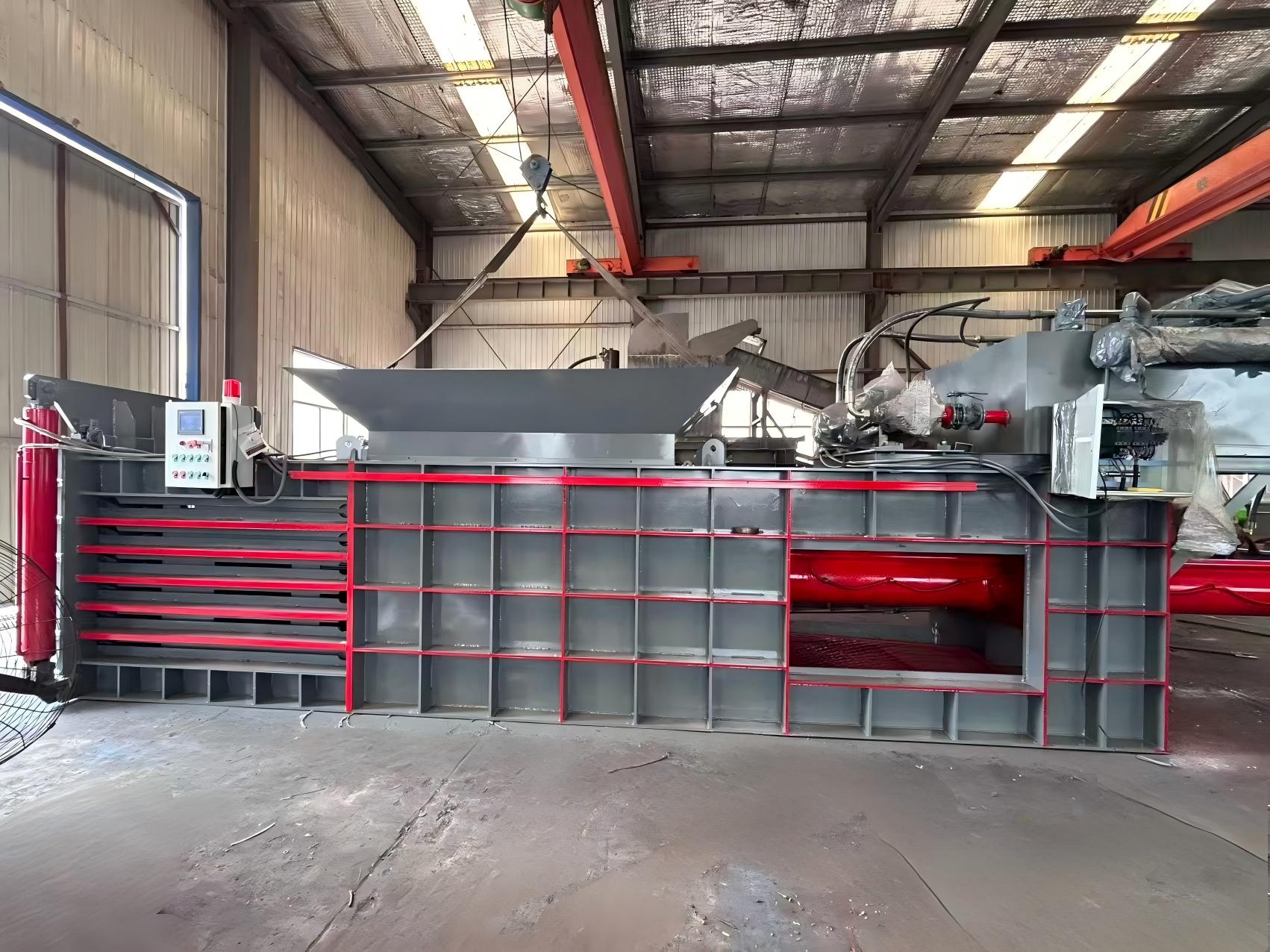
High-volume waste paper recycling facilities require more than basic material compaction. They need continuous, high-density throughput. This vital capability helps optimize freight transport logistics and drastically reduces manual labor overhead. Transitioning from older vertical balers involves complex, high-stakes decisions. Upgrading legacy systems requires navigating highly precise equipment specifications. You must carefully evaluate ram pressure, hydraulic cycle times, and integration limits for existing conveyor feeds. Getting these details wrong can bottleneck your entire operation. This article provides operations managers and procurement officers with an evidence-based framework. We aim to clarify how you evaluate, specify, and source the right heavy equipment. You will learn to seamlessly match machine capabilities to your specific commercial waste paper streams. Ultimately, this guidance ensures your facility maintains peak operational efficiency while accommodating future growth.
Key Takeaways
Volume Thresholds: Horizontal systems become financially viable when processing over 2 tons of waste paper or corrugated cardboard (OCC) per day.
Automation Limits Labor: Investing in an automatic baler machine with auto-tie capabilities significantly offsets long-term labor costs and wire consumption waste.
TCO Over Purchase Price: Hydraulic component longevity, shear blade durability, and OEM support lead times dictate the true cost of the machine over a 10-year lifecycle.
Facility Readiness: Successful implementation requires precise electrical drop planning, foundation reinforcement, and safe conveyor integration.
1. Defining Volume & ROI Thresholds for a Horizontal Hydraulic Baler Machine
Facilities often struggle to identify the exact moment they outgrow vertical compactors. Capacity triggers become obvious when you measure actual labor hours. Workers spend excessive time loading boxes, waiting for the ram, and manually tying bales. Vertical units demand constant operator attention and physical intervention. In contrast, an automated continuous feed system handles bulk loads seamlessly. A high-quality horizontal hydraulic baler machine processes materials without constant human supervision. You should strongly consider this upgrade when daily volumes exceed two tons consistently.
Freight optimization serves as another major viability threshold. Consistent, mill-spec high-density bales maximize shipping trailer weights. Loose bales leave costly empty space inside dry vans or sea containers. Dense bales pack tightly into every available inch. This compaction directly reduces your per-ton logistics costs. Transporting fewer trailers saves money, lowers fuel consumption, and reduces your facility's carbon footprint.
Material specifics also heavily dictate your throughput expectations. Rigid corrugated cardboard (OCC) behaves differently than loose mixed office paper. Trim waste from commercial printing presses requires specialized containment strategies. Operators must match the machine capacity to the exact feed material. OCC yields heavy, structural bales easily under moderate pressure. Mixed paper might require significantly higher compaction forces to achieve the exact same shipping density.
2. Core Engineering Specifications for a Waste Paper Baling Press
Evaluating a waste paper baling press requires a deep dive into specific engineering specs. Hydraulic ram force and system pressure dictate ultimate bale density. You must carefully match the cylinder bore size and PSI to your desired output. However, more pressure does not always equal better performance. If extreme pressure sacrifices cycle time, your overall hourly throughput drops significantly.
Feed opening dimensions play a critical role in daily operation. We call this the hopper size. You must size the hopper correctly to prevent material bridging. Bridging occurs when large cardboard pieces wedge together and block the chamber. A properly sized opening ensures seamless material flow. It syncs perfectly alongside heavy-duty feed conveyors or air-blown cyclone systems.
Cycle time directly impacts your actual tons-per-hour (TPH) yield. You must understand the delicate relationship between hydraulic pump capacity and ram speed. Fast pumps push the cylinder quickly for rapid processing. Slower pumps might offer more brute force but drastically reduce the volume processed daily. Real-world loading conditions often challenge theoretical cycle times advertised by vendors.
Shear blade architecture represents another crucial equipment specification. The cutting edges must handle oversized materials efficiently as the ram pushes forward. Poor blade design leads to constant hydraulic stalling. Stalling causes massive energy spikes and accelerates motor wear. We recommend serrated or V-shaped shear blades. They slice through thick cardboard wedges without overwhelming the hydraulic system.
Common mistake: Many buyers over-index on raw cylinder pressure. They ignore the hydraulic pump's gallon-per-minute (GPM) rating. This oversight leads to dense bales but frustratingly slow production rates.
3. Automation and Integration: Evaluating the Automatic Baler Machine
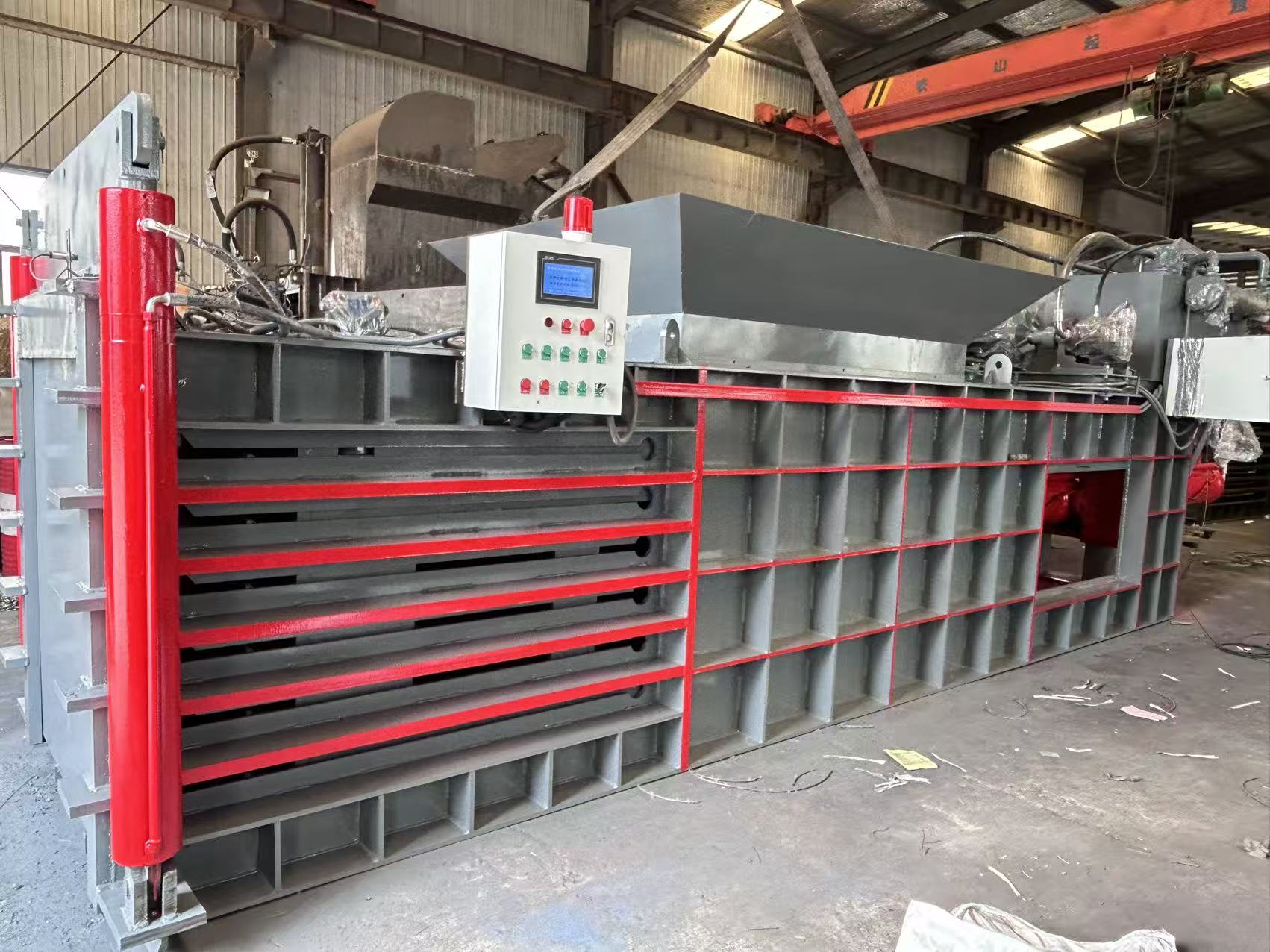
Upgrading to an automatic baler machine revolutionizes overall facility workflow. Manual-tie systems demand intense, constant labor. Operators must stop the machine, manually insert wires, and tie knots under tension. Auto-tie systems eliminate this severe operational bottleneck completely. We recommend conducting a thorough evaluation of tier mechanisms. Auto-tiers offer superior wire insertion reliability. They utilize robust mechanical twisting heads. This automation stabilizes wire consumption rates and completely eliminates human tying errors.
System integration ensures upstream and downstream equipment communicate effectively. Your Programmable Logic Controller (PLC) acts as the central brain. Syncing this PLC requires careful electrical planning.
Follow these sequential steps for proper integration:
Map out all upstream shredders, airveyors, and manual sorting lines.
Establish a unified electrical communication protocol across the floor.
Install photo-eye sensors in the hopper to trigger automatic ram cycles.
Program variable conveyor speeds to actively prevent hopper overflows.
Test emergency stop (e-stop) loops across the entire equipment chain.
Diagnostic controls keep the system running safely day after day. Modern Human-Machine Interface (HMI) touchscreens are absolutely non-negotiable. They display preventative maintenance alerts clearly and brightly. Operators can monitor live hydraulic pressure easily from the ground. The HMI also logs critical fault codes instantly. This precise logging drastically reduces troubleshooting time during unexpected mechanical shutdowns.
4. Implementation Realities and Long-Term Operations
Site preparation dictates the ultimate success of your new installation. You must assess footprint requirements carefully before delivery. Machines need adequate maintenance clearance zones around all four sides. Mechanics cannot service heavy cylinders if they cannot reach them safely. Foundation load-bearing capacity requires strict verification from structural engineers. Large balers generate immense dynamic forces during compaction. You also need verified three-phase electrical drops installed prior to commissioning.
Budgeting for consumables ensures uninterrupted daily operation. You must track the hydraulic fluid lifecycle closely. Steel wire ties represent a significant recurring monthly expense. High-friction components require highly predictable replacement cycles. Bale chamber liners and internal cylinder seals degrade naturally over time.
Consider the following standard replacement schedule for critical wear parts:
| Component Type | Expected Lifecycle | Primary Wear Factor |
| Hydraulic Fluid | 3,000 - 5,000 hours | Operating temperature and external contamination |
| Shear Blades | 12 - 18 months | Abrasive materials and oversized OCC sheets |
| Cylinder Seals | 2 - 3 years | High pressure spikes and microscopic oil debris |
| Chamber Liners | 3 - 5 years | Constant friction from dense bale extrusion |
Energy consumption drastically impacts monthly operational budgets. We advise evaluating main motor efficiency thoroughly. Variable frequency drives (VFDs) modulate electrical power based on actual demand. They prevent wasteful energy consumption during machine idle times. Hydraulic cooling systems mitigate severe thermal degradation. Cool oil protects internal seals and prevents sudden electrical power spikes.
5. Sourcing Strategy: Sizing Up an OEM Horizontal Baler Partner
Choosing the right manufacturing partner is a critical business step. You must decide between specific customization and off-the-shelf models. Standard models suit generic recycling applications perfectly well. However, unique facility layouts demand highly specific modifications. You might request a custom hopper design from an OEM horizontal baler manufacturer. Custom PLC programming helps integrate older conveyor belts seamlessly into the new automated line.
Parts availability significantly affects your long-term uptime. You must aggressively assess the supplier's domestic inventory. Do they stock critical wear parts nearby? Machine downtime translates directly into substantial lost revenue. Long international lead times for a simple cylinder seal can cripple operations completely.
Compliance and safety protect your workforce from serious injury. Verify all CE or UL certifications before signing any purchase contracts. Electrical safety interlocks must function flawlessly under heavy vibration. Emergency stop accessibility remains a top OSHA priority for industrial environments. Sturdy guardrails must secure all elevated maintenance platforms.
Service Level Agreements (SLAs) guarantee long-term factory support. Evaluate the specific warranty terms closely. Manufacturers often provide different coverage lengths for various components. The heavy steel frame might carry a ten-year warranty. Meanwhile, sensitive electrical components might only carry a strict one-year guarantee. Ensure you fully understand these distinctions when purchasing your horizontal hydraulic baler.
Best practice: Always request a facility tour or direct reference list from the OEM. Speaking to current, active users reveals the true mechanical reliability of the machine.
Conclusion
Finalizing your baler specification requires careful, objective balancing. You must weigh upfront capital expenditure against massive automation efficiency. High-quality machines reduce long-term manual maintenance dependencies. They also optimize freight costs through vastly superior bale density. Transitioning to automated systems dramatically cuts labor hours across the board.
We recommend taking practical next steps immediately. First, conduct a thorough site audit of your exact facility. Measure your current electrical capacity and available floor space. Next, test sample materials with potential vendor equipment. Finally, request comprehensive lifecycle projections before initiating the formal RFQ process. This structured approach guarantees a highly successful equipment upgrade.
FAQ
Q: What is the typical lifespan of a commercial horizontal hydraulic baler?
A: A well-maintained machine typically lasts 10 to 15 years. The heavy steel frame boasts immense structural durability. Hydraulic cylinder fatigue life depends entirely on your preventative maintenance schedule. Regular servicing prevents premature failure. Replacing wear parts on time significantly extends the overall operational lifespan of the equipment.
Q: How much wire does an automatic waste paper baling press consume?
A: Wire consumption depends on bale length and total production volume. It also relies on the exact tier type used. Single-loop manual systems consume less wire but demand high manual labor. Auto-tie spool systems use slightly more wire per bale. However, they offset this expense by eliminating manual tying labor entirely.
Q: Can a horizontal baler designed for waste paper also process plastics or aluminum?
A: Yes, but it requires careful operational adjustments. Plastics exhibit material memory and constantly try to expand. They require much longer retention times under high pressure. Switching from paper to rigid metals accelerates shear blade wear. You might need specialized blade profiles to handle aluminum effectively without causing jams.
Q: What are the primary maintenance requirements for the hydraulic system?
A: Routine oil sampling forms the foundation of good fluid maintenance. You must execute regular filter changes proactively. Operating temperature monitoring prevents rapid fluid degradation. Mechanics should perform visual seal inspections weekly. These simple proactive steps prevent catastrophic pressure loss and severely expensive facility downtime.


