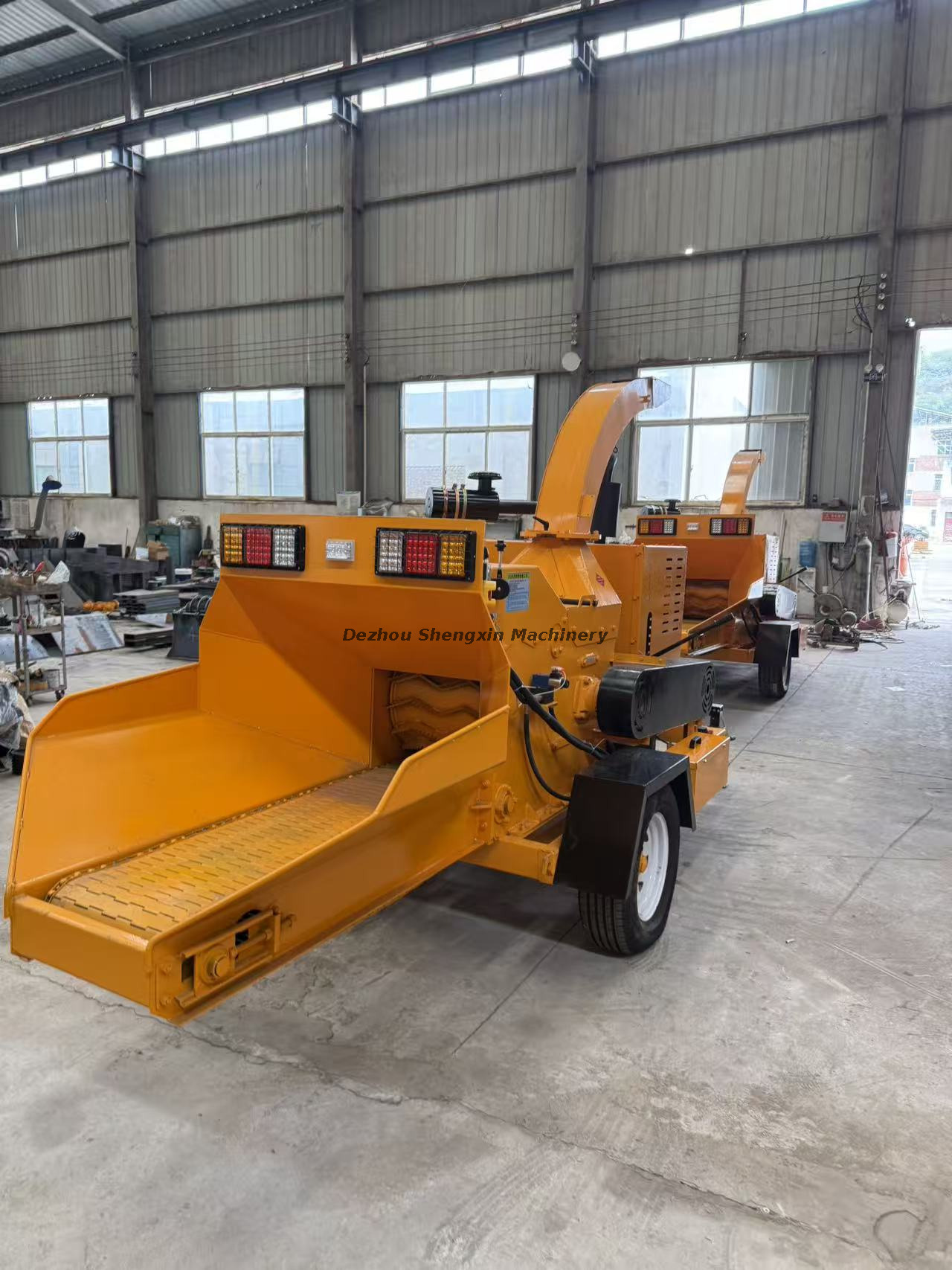
Managing large-scale garden and landscaping debris often creates a massive labor bottleneck right at the feeding chute. Ground crews spend frustrating hours wrestling uncooperative branches into standard machines. Upgrading from gravity-fed or basic self-feeding units to a hydraulic system presents a tough decision. You must justify higher upfront equipment expenses against expected labor savings and critical safety improvements.
Our goal is to clarify this process for you. This guide provides a transparent, specification-driven framework for making this exact equipment decision. We will help you evaluate whether a hydraulic auto-feed machine aligns perfectly with your specific operational volume. You will also learn how to match equipment to your typical terrain and daily maintenance capabilities. By understanding these mechanical variables, you can eliminate chute jams, reduce worker fatigue, and process yard waste significantly faster.
Key Takeaways
Throughput vs. Cost: Hydraulic auto-feed systems actively pull and crush material, reducing manual labor and operator fatigue, but require a higher initial capital investment.
Jam Mitigation: Reversible hydraulic feed rollers allow operators to clear jams safely without disassembling the chute or manually pulling out heavy branches.
Power Matching: Pairing hydraulic systems with the right engine (often a diesel wood chipper or high-HP gas engine) is critical to prevent engine stalling under heavy feed loads.
Maintenance Realities: Ownership extends beyond blade sharpening to include hydraulic fluid management, filter changes, and pump maintenance.
The Business Case: Hydraulic Auto-Feed Chipper vs. Gravity/Self-Feed
Choosing the correct intake mechanism fundamentally changes your daily landscaping operations. You must understand how different machines grab and process raw wood.
Standard self-feed systems rely heavily on blade geometry and gravity. The internal blades catch the wood. They pull it downward into the housing. This mechanism works well for perfectly straight branches. However, trees rarely drop perfectly straight limbs. You will consistently encounter irregular shapes. Crotched branches stop dead at the chute opening. Wet materials stick to the metal sidewalls. Operators must then push the material manually. This action increases physical fatigue immensely. It also introduces severe safety risks for your ground crew.
Conversely, you can deploy a hydraulic auto-feed chipper. These advanced units utilize an independent hydraulic motor. This motor drives heavy-duty spiked rollers located just inside the chute. The steel rollers actively grab the branches. They crush smaller forks and leaves instantly. They pace the material smoothly into the cutting drum. You completely eliminate aggressive bouncing at the chute entrance.
Think about your daily labor hours to measure operational efficiency. Ground crews spend significant time limbing branches. They use chainsaws to cut wood small enough to fit standard gravity chutes. This extensive preparation time destroys your operational efficiency.
Hydraulic rollers crush crotched branches automatically.
You minimize dangerous pre-trimming tasks on the ground.
You drastically reduce the hours your crew spends wielding chainsaws.
Safety remains paramount in heavy landscaping operations. Hydraulic units feature a highly visible control bar wrapping around the chute. Operators can shift this bar into forward, neutral, or reverse instantly. Sometimes vines or loose clothing get snagged. Sometimes a massive, dense log begins to bog down the engine. The operator simply hits the reverse bar. The machine safely backs the snagged material out of the chute. You reduce workplace injuries significantly. You also maintain strict compliance with modern industry safety guidelines.
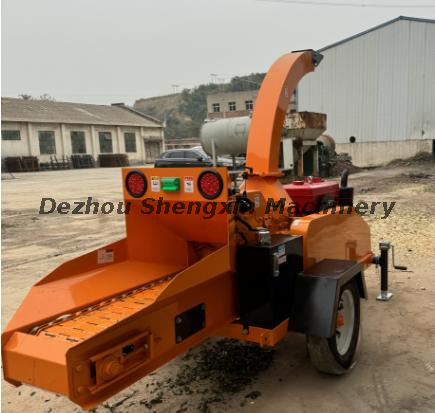
Sizing Capacity and Power Sources for Heavy Landscaping
Matching your hydraulic feed system to the correct power plant ensures smooth operation. A mismatched engine will stall under heavy feed loads. You must evaluate your primary power options carefully before making a selection.
Engine Power Source Comparison
| Engine Type | Best Suited For | Operational Advantages | Known Limitations |
| Diesel | Continuous commercial running | Massive low-end torque; highly fuel-efficient under load | Heavier footprint; requires a higher initial investment |
| Gasoline | Intermittent medium-duty garden work | Lighter machine weight; easier starting in cold weather | Prone to sudden RPM drops during aggressive hydraulic feeding |
| PTO (Tractor) | Farms and large rural estates | Highly cost-effective; utilizes existing engine maintenance schedules | Ties up the tractor entirely; limits simultaneous garden tasks |
A diesel wood chipper provides the absolute best solution for continuous, all-day commercial work. Diesel engines generate massive low-end torque. They handle high-capacity crushing easily. Fuel efficiency remains excellent even under heavy loads. The hydraulic pumps receive steady, uninterrupted power.
Gasoline engines offer a lighter, highly portable alternative. They suit intermittent garden projects perfectly. However, gasoline engines lack deep torque reserves. They can struggle during aggressive hydraulic feeding. You might experience sudden RPM drops when the spiked rollers crush thick, unyielding branches.
PTO (Power Take-Off) configurations provide excellent mechanical value. This setup assumes you already own a suitably sized tractor. The tractor engine drives the chipping mechanism directly. You save capital by avoiding a standalone engine purchase. The main drawback involves operational flexibility. You tie up your tractor entirely. You cannot use it for hauling soil or mowing while chipping branches.
Landscaping debris varies wildly across different jobs. Chipping hard, dry wood requires extremely sharp blades. It also demands high drum RPM. Dry wood fractures easily under rapid impact.
Conversely, shredding wet, stringy materials presents a distinctly different challenge. You need a dedicated garden waste shredder approach. Fibrous plants wrap tightly around standard rotors. They clog discharge chutes rapidly. Adjustable roller speeds solve this issue completely. You simply adjust the hydraulic flow valve to slow the intake feed rate down. This gives the cutting drum extra time to process the wet, sticky fibers. It clears the discharge chute effectively without bogging the engine.
Variable speed control valves are non-negotiable for serious work. You must match the raw material feed rate to your engine's specific RPM curve. Oversized logs demand much slower feeding. The hydraulic valve lets you dial in the exact speed. You prevent the engine from stalling. You keep the entire operation running smoothly without frustrating interruptions.
Mobility and Terrain: Towable vs. Tracked Solutions
Moving heavy equipment into position often dictates your daily success. You must select a chassis that matches your typical working environment. A powerful machine becomes useless if you cannot maneuver it to the debris pile.
Towable configurations dominate the professional landscaping market. You must choose between highway-towable and yard-towable models. Highway models feature heavy-duty suspension systems. They require proper axle weight ratings. You must select the right hitch type for your fleet vehicles. Pintle hitches offer superior articulation for rough dirt roads. Standard ball hitches work well for smooth suburban transit. You must also ensure complete DOT compliance. This includes proper trailer lighting, safety chains, and electric brakes for transport between job sites.
Yard-towable units lack highway suspension. You pull them slowly with an ATV or a small garden tractor. They excel in confined spaces but require a separate flatbed trailer for highway transport.
Tracked mobile units provide specialized access. You should evaluate them for uneven, muddy, or severely sloped garden terrains. Standard trucks simply cannot access these areas without getting stuck. Tracked units distribute their weight across a wide surface area. They crawl easily over soft mud and steep embankments. However, you face a direct trade-off in transportability. Tracked machines move very slowly. You absolutely require a heavy-duty flatbed trailer to move them between different neighborhoods.
Choosing the right mobile wood chipper shredder means balancing maximum capacity against its physical footprint. Consider the machine width relative to standard residential garden gates. Many suburban gates measure only 36 inches across. A massive, high-capacity machine might force your crew to drag branches manually to the front curb.
You must also consider turf damage. Heavy towable units can leave deep ruts in manicured residential lawns. You need sufficient operational maneuvering space to turn the machine around safely. Always measure your typical access routes before finalizing an equipment configuration.
Implementation Realities: Maintenance
Adding a hydraulic system introduces new mechanical responsibilities. You cannot simply sharpen the cutting blades and ignore the rest of the machine. Proper upkeep ensures continuous operation and prevents catastrophic mechanical failures.
Hydraulic system upkeep requires daily discipline. Your operators must understand the basic fluid dynamics at play. Ignoring these systems leads to burned-out pumps and blown seals. You must train your crew to perform routine checks.
Check hydraulic fluid reservoirs visually before starting the engine.
Inspect all high-pressure rubber hoses for visible abrasions or cracking.
Examine steel fittings and valve blocks for slow fluid weeps.
Replace inline hydraulic filters strictly according to the manufacturer schedule.
Hydraulic feeding puts immense, consistent pressure on the primary cutting system. The spiked rollers force wood relentlessly against the spinning drum. This creates massive impact forces. You must emphasize the strict requirement for maintaining proper gap clearance.
The gap between the spinning chipper blade and the stationary steel anvil dictates performance. This clearance typically measures between 1/16 and 1/8 of an inch. If the gap becomes too wide, the hydraulic rollers will force stringy material down into the housing. This causes the machine to rip the wood rather than cutting it cleanly. It creates violent vibrations. You risk severe structural damage to the rotor housing if you ignore this clearance setting.
You must also assess common downtime risks in the field. Hydraulic pump wear happens gradually. You will notice the feed rollers losing their crushing power over time. Broken shear pins present a more immediate stoppage. Shear pins protect the feed mechanism from destroying itself if a steel rod accidentally enters the chute. You should always keep replacement shear pins in your field repair kit. Training your crew to perform these basic field repairs keeps your operation moving.
Sourcing Strategy: Evaluating an OEM Mobile Chipper
Purchasing heavy machinery requires looking beyond the spec sheet. You must evaluate the manufacturer's supply chain reliability. The absolute biggest risk in operating heavy equipment is downtime. Waiting weeks for proprietary replacement parts kills your operational timeline.
Prioritize machine models that utilize standard, off-the-shelf hydraulic components. Look for industry-standard directional valves. Look for universally available hydraulic pumps and standardized hose fittings. If a hydraulic hose bursts on a Tuesday afternoon, you want to buy a replacement locally. You do not want to wait for an overseas shipment.
When evaluating an OEM mobile chipper, always inspect the primary construction materials. Do not settle for thin sheet metal. Look for heavy-gauge steel construction on the feed chute. The rotor housing must feature thick steel plates to contain high-velocity impacts. Inspect the factory welds visually. High-quality, continuous welds indicate robust manufacturing standards. Verify that the rotor shaft uses heavy-duty, industrial-grade bearings. These bearings handle massive radial loads all day long.
Finally, compare warranty structures meticulously. Equipment warranties often feature split coverages. The engine warranty usually routes through the specific engine manufacturer. Companies like Honda, Kohler, or Kubota handle their own claims through local dealer networks. You must check the separate coverage for the chipper chassis and the hydraulic system. Ensure the OEM stands behind their steel fabrication and hydraulic integration for at least a standard commercial season.
Conclusion
Upgrading to a hydraulic auto-feed system transforms your material handling capabilities entirely. It removes the physical burden from your ground crew and accelerates daily operations.
Base your final shortlisting decision on your weekly volume of processed material.
Evaluate the typical hardness and irregular shape of the debris you encounter daily.
Honestly assess the technical capacity of your crew to manage regular hydraulic maintenance.
For your immediate next steps, do not rush into a purchase blindly. Advise your procurement team to request detailed spec sheets first. Demand exact figures detailing feed roller dimensions and hydraulic pump GPM (Gallons Per Minute). Request the specific engine torque curves. Review these metrics carefully before requesting a formal quote or scheduling a live field demo.
FAQ
Q: How does a hydraulic feed system handle wet garden waste differently than standard chippers?
A: Adjustable feed speeds allow operators to slow down the intake of wet, fibrous material. This specialized pacing prevents the heavy, wet debris from overwhelming the drum. It allows the machine more time to process the material and clear the discharge chute without clogging.
Q: Can a hydraulic auto-feed chipper handle irregular or "Y-shaped" branches?
A: Yes. The immense crushing force of the hydraulic rollers breaks down smaller crotches and forks automatically. This mechanical advantage drastically reduces the time workers spend pre-trimming branches with chainsaws on the ground.
Q: What is the standard maintenance interval for the hydraulic system on a mobile wood chipper?
A: While engine oil and blade sharpness require daily or weekly checks, hydraulic systems follow different schedules. You should perform visual fluid level checks before each use. Full fluid flushes and hydraulic filter replacements typically occur every 100 to 500 hours, depending on the manufacturer's exact specifications and your operating environment.


