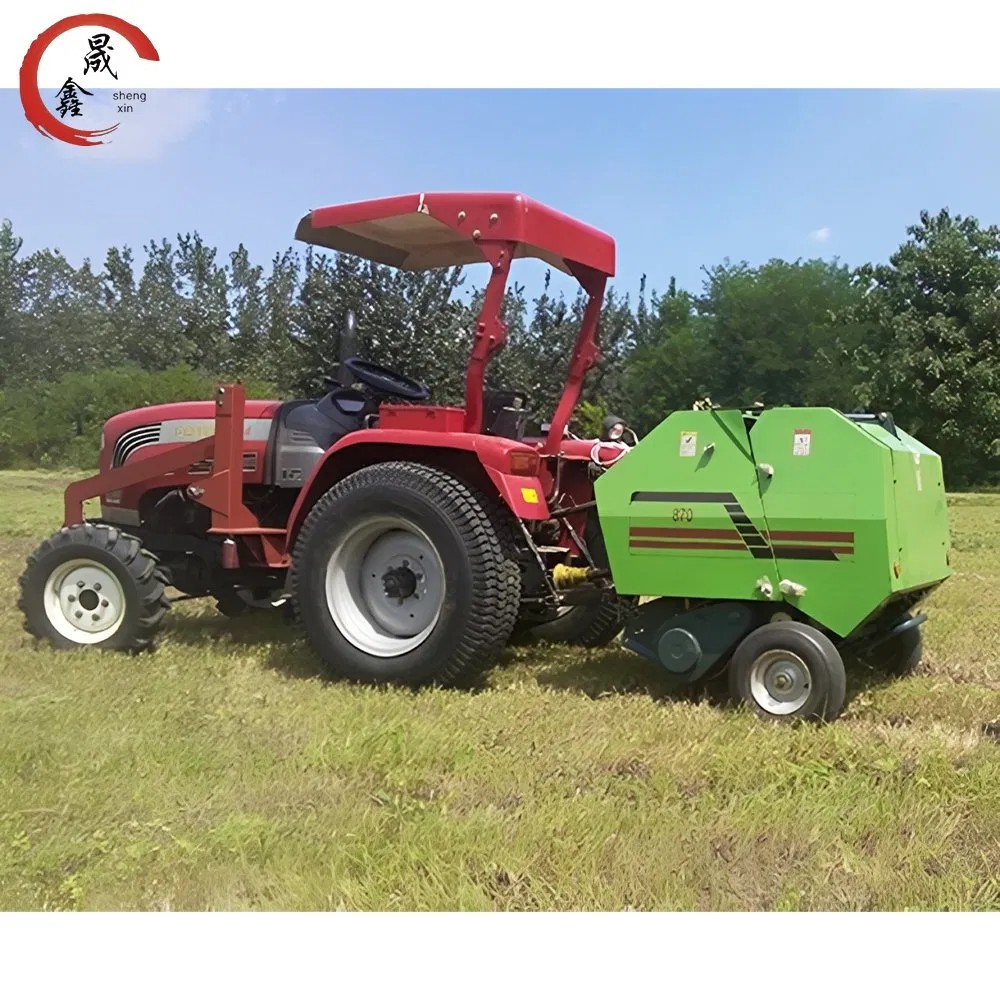
Narrow harvesting windows place immense pressure on modern agricultural operations. Moisture management directly impacts livestock nutrition and your overall operational profitability. Forage quality degrades rapidly after cutting. Every single minute counts when securing high-value feed for the season.
Traditional dry hay equipment often fails under heavy loads. These standard machines struggle heavily against high-moisture crops. Abrasive stalks in the field cause premature internal wear. This constant mechanical mismatch ultimately leads to rapid equipment fatigue and expensive crop spoilage.
We offer a transparent framework for upgrading your heavy-duty forage equipment. You will discover specific mechanisms needed to handle heavy crops. Your farm can maintain daily throughput easily without risking mechanical breakdowns. Let us explore the critical components behind reliable, high-density forage preservation.
Key Takeaways
Silage baling requires specialized reinforced chambers and heavy-duty bearings to handle bales that can weigh twice as much as dry hay.
Fixed-chamber and variable-chamber models offer distinct advantages depending on moisture content and preferred bale density.
Integrating pre-cutting rotors improves forage compaction, leading to better fermentation and reduced oxygen pockets in a hay silage baler.
Sourcing requires balancing upfront costs with parts availability, evaluating major brands against specialized OEM pick-up baler manufacturers.
Framing the Operational Problem: Why Silage Demands Specialized Equipment
Standard hay usually contains fifteen to twenty percent moisture. Silage operates in a completely different reality. Optimal fermentation requires forty-five to sixty-five percent moisture. This extra water weight changes everything regarding equipment durability. Standard designs simply cannot handle the extreme physical demands.
Heavier crops multiply the physical stress placed on internal mechanics. Your tractor power take-off bears a massive continuous load. Internal drive chains stretch aggressively under this immense tension. Standard internal belts often slip or snap under extreme wet crop weight. You need robust engineering to survive the season.
Poor intake design introduces severe contamination risks into your feed. An inefficient intake reel drags roughly across uneven soil. This aggressive action pulls dirt directly into the forage mat. Soil integration raises the ash content inside your compacted bales. Ash essentially acts as a buffer against essential acid production.
High ash content destroys the lactic acid fermentation process. Clostridial bacteria thrive in dirty forage environments. This bacterial spoilage renders expensive feed completely useless for livestock consumption. Bad fermentation can introduce dangerous toxins to your cattle herd.
Downtime carries massive financial penalties during peak harvest. Mechanical failures pause harvesting operations entirely. Fermentation windows open and close rapidly based on local weather conditions. Losing a single afternoon to a broken bearing can downgrade your entire seasonal crop quality.
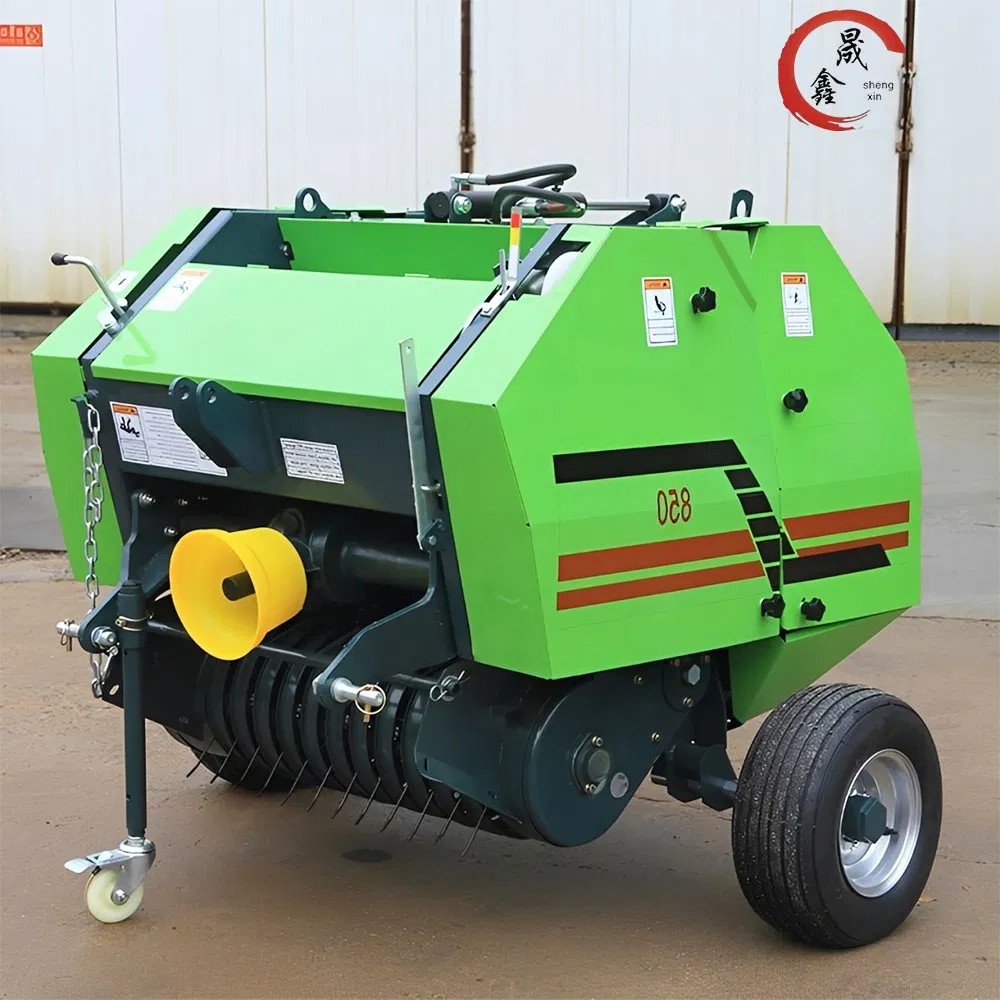
Core Evaluation Criteria for a Round Pick-Up Baler
Evaluating a modern round pick-up baler demands a structured, evidence-based approach. We must examine the fundamental mechanics driving reliable daily operation.
Chamber Design and Bale Density
Equipment manufacturers primarily offer two distinct chamber designs today. Each mechanical system handles wet crops differently. Understanding these differences prevents expensive purchasing mistakes.
Fixed roller chambers excel at handling consistent, high-moisture silage. Heavy steel rollers compress the crop aggressively from the outside in. This design creates a unique star-shaped soft core. The soft core allows the material to breathe slightly during early fermentation. The outer layers remain incredibly tight and dense to shed water.
Variable belt chambers offer excellent multi-use flexibility across seasons. Operators can easily adjust bale diameters for different customer storage needs. You can switch from dry summer straw to wet spring forage seamlessly. Heavy-duty endless belts are mandatory for these machines. Standard laced belts tear quickly under constant wet crop tension.
Chamber Technology Comparison
| Chamber Type | Best Crop Application | Core Density Characteristics | Maintenance Considerations |
| Fixed Roller | High-moisture silage, heavy wet grasses | Soft breathing core, highly dense shell | Requires heavy-duty roller bearing lubrication |
| Variable Belt | Multi-use (Dry hay, straw, moderate silage) | Uniformly dense from core to outer edge | Requires endless belt tension monitoring |
Pick-Up Width and Rotor Configurations
Your intake width must match your rake windrows perfectly. Narrow intakes force operators into a weaving driving pattern across fields. Wide pick-ups ensure smooth, continuous crop flow directly into the chamber. Proper width reduces operator fatigue immensely.
You must carefully assess cam-track against camless designs. Cam-track systems lift tines actively to guide crops precisely into the rotor. Camless versions eliminate complex moving tracks entirely. A camless design reduces routine maintenance requirements significantly. It operates much smoother at higher ground speeds.
Pre-cutter chopping systems transform forage quality completely. Multiple steel knives slice incoming material into shorter lengths. A shorter theoretical chop length improves chamber compaction significantly. Denser bales contain much less trapped oxygen. Reduced oxygen guarantees a faster, safer lactic acid fermentation process.
Blockages happen frequently during extremely heavy yields. A hydraulic drop-floor mechanism is a crucial safety feature here. The operator lowers the floor directly from the tractor cab. The physical blockage clears instantly without dangerous manual labor. This feature prevents time-consuming manual unclogging under the machine.
Wrapping and Binding Mechanisms
Reliable binding dictates final forage preservation success. Net wrap systems dominate modern farming operations globally. They apply quickly and hold dense material securely. You achieve higher daily output using reliable netting.
Newer film-on-film binding technology offers superior preservation characteristics. The machine wraps the cylindrical surface in stretch film instead of porous netting. This extra layer provides an immediate, solid oxygen barrier. Film-on-film binding minimizes edge spoilage significantly. It simplifies winter feeding because the inner and outer plastics match perfectly for recycling.
Crop Versatility: From Hay Silage to Corn Straw
Modern operations rarely harvest only one crop type annually. Versatility defines agricultural profitability today. Your machinery must adapt rapidly.
Utilizing your equipment as a corn straw baler presents unique mechanical challenges. Corn stalks remain extremely stiff and highly abrasive. A standard intake reel bends quickly under this harsh punishment. Processing stover requires heavy-duty steel tines. Reinforced housing plates prevent premature internal wear from abrasive dirt.
Spring grasses behave differently than autumn residues. Wet ryegrass flows smoothly into the compression zone. Brittle corn stover tends to shatter violently upon impact. You must adapt your farm round baler accordingly. Operators adjust the front baffle plate lower for dry stover. This prevents brittle material from bouncing out of the intake area entirely.
Balancing throughput against bale quality requires distinct operating skill. Driving too fast overloads the pre-cutter rotor instantly. The machine simply cannot process heavy stalks fast enough. Driving too slow burns unnecessary diesel fuel and wastes daylight.
Match your ground speed to the windrow density actively.
Monitor the tractor RPM drop when hitting thick crop patches.
Listen carefully for the slip clutch engaging during heavy feeding.
Check the knife sharpness daily to ensure clean cuts.
These practices keep the intake rotor running efficiently all day. Consistent crop flow produces perfectly shaped cylindrical bales ready for tight wrapping.
Implementation Realities: Horsepower, Maintenance, and Adoption Risks
Successful deployment requires matching your tractor capabilities precisely. High-moisture forage demands massive rotational energy to compress effectively. Undersized tractors create dangerous operating conditions.
A standard dry hay machine might require only sixty horsepower. Running a seventeen-knife rotor on wet crop demands substantially more power. Baseline metrics suggest one hundred to one hundred fifty horsepower minimally. Complex hydraulic systems also require adequate tractor pump capacity. Low hydraulic flow slows down the drop-floor and tailgate operations noticeably.
Farm operators consistently report three common mechanical failure points. First, main drive chains stretch rapidly under extreme load. Second, ungreased roller bearings shatter during peak summer heat. Third, net wrap feeding systems jam when crop dust accumulates heavily.
Preventative engineering solves these persistent field issues directly. Demand machines equipped with automated central greasing banks. These systems deliver precise lubrication to critical bearings continuously. Continuous chain oiling systems extend drive chain life dramatically. Easy-access side panels allow rapid daily visual inspections. Operators are far more likely to clean mechanisms when access remains simple.
Common Mistakes in Daily Operation:
Ignoring daily dust accumulation on the net wrap tensioner bar.
Failing to check hydraulic hose connections for weeping fluid.
Running blunt pre-cutter knives, forcing the rotor to tear crops instead of cutting them.
Sourcing Strategy: Brand Ecosystems vs. OEM Pick-Up Balers
Procuring new agricultural machinery requires careful strategic evaluation. Moving beyond basic sticker prices ensures long-term operational success. Focus intensely on diagnostic software access and dealer proximity. Parts availability during peak harvest windows separates successful farms from struggling ones. A beautiful machine becomes a liability if replacement belts take weeks to arrive.
Exploring the OEM route offers unique regional advantages. Sometimes standard global brand configurations miss specific local environmental requirements. Direct-to-farm procurement provides highly customized modifications. Specialized manufacturers can tailor the intake reel for your exact regional crop type. You bypass complex dealer networks entirely. This direct relationship simplifies communication regarding warranty claims and technical adjustments.
Farm managers need a structured procurement checklist before committing capital. Follow these shortlisting steps before signing any purchase agreement.
Verify precise tractor hydraulic and PTO compatibility metrics.
Demand an in-field demonstration specifically focusing on wet, heavy crop.
Examine heavy-duty silage warranty coverage terms closely.
Inspect the availability of replacement belts locally.
Assess the complexity of the internal diagnostic terminal interfaces.
Conclusion
Successful forage preservation hinges entirely on structural integrity. You must match the internal feeding system to your specific crop profile. High moisture levels and abrasive stalks destroy inadequate machinery quickly. Heavy-duty bearings and reinforced chambers guarantee long-term operational success across changing seasons.
Prioritize reliable wrapping mechanisms over raw ground speed always. A tightly sealed bale ferments properly and retains maximum nutritional value for your herd. Evaluate your tractor horsepower limits rigorously before selecting a high-capacity rotor system. Choose preventative maintenance features aggressively. Automated greasing and continuous oiling systems eliminate costly mid-season downtime.
FAQ
Q: What is the minimum horsepower required to run a round pick-up baler for silage?
A: High-moisture crops demand substantial power. You typically need between 100 and 150 horsepower. This requirement increases significantly if you engage a full set of pre-cutter knives. Silage processing requires massive rotational energy compared to dry hay.
Q: Can a standard hay baler be used as a hay silage baler?
A: Standard machines often fail under wet crop weight. Their belts stretch easily. Drive chains break under constant heavy tension. You will experience insufficient bale density. Poor density traps oxygen and causes severe clostridial spoilage. You need a specialized heavy-duty silage package.
Q: What causes a round baler to plug in heavy corn stalks?
A: Uneven windrows shock the intake system suddenly. Excessive ground speed overloads the pre-cutter rotor. Abrasive stalks resist smooth feeding naturally. Operating without a hydraulic drop-floor feature makes clearing these blockages extremely difficult. Consistent driving speed prevents rotor plugging entirely.
Q: Is film binding better than net wrap for silage?
A: Film binding creates an immediate, superior oxygen barrier. It seals edges tighter than traditional netting. This method prevents premature spoilage effectively. It also simplifies winter recycling because the binding matches the external stretch wrap material perfectly.


