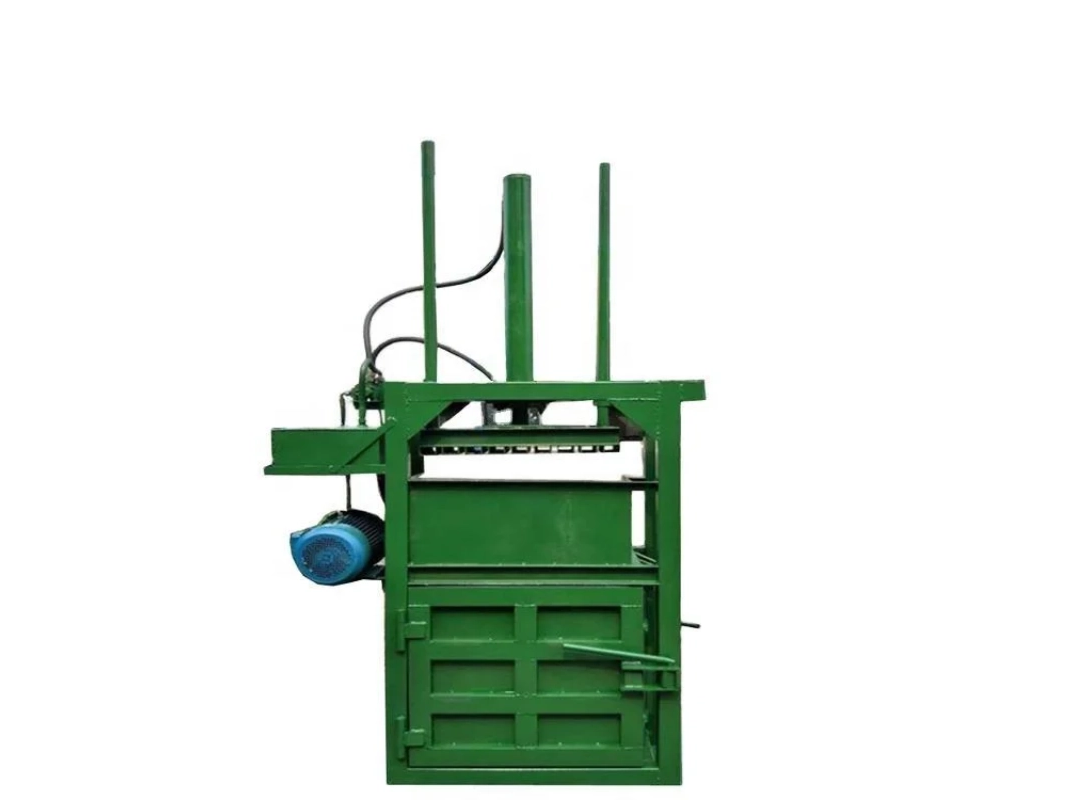
Vertical balers are essential machines for compacting and recycling waste materials in various industries. These machines are designed to handle a wide range of materials, including cardboard, plastic, paper, and metal, making them a versatile solution for waste management. In this article, we will explore how vertical balers work, their benefits, and the different types available in the market.
1. Understanding vertical balers
A vertical baler, also known as a downstroke baler, is a machine used to compress and bundle waste materials into compact bales. These bales are then tied with wire or plastic straps, making them easier to handle, transport, and store. Vertical balers are commonly used in recycling facilities, distribution centers, supermarkets, and manufacturing plants.
Vertical balers are designed to save space and reduce the volume of waste materials. By compacting the waste, these machines help to minimize the frequency of waste collection and transportation, resulting in cost savings and a smaller carbon footprint.
There are several factors to consider when choosing a vertical baler, including the size and type of materials to be processed, the desired bale weight and dimensions, and the available space for the machine. It is essential to select a baler that meets the specific needs of your business to ensure optimal performance and efficiency.
2. The baling process
The baling process involves several steps, from loading the waste material into the machine to ejecting the finished bale. Understanding these steps can help you appreciate the efficiency and effectiveness of vertical balers.
Loading the material: The waste material is loaded into the vertical baler through a feed opening, typically located at the front or side of the machine. Some balers are equipped with hoppers or chutes to facilitate the loading process. Depending on the size of the baler and the material being processed, the loading process may require manual handling or the use of forklifts or conveyor systems.
Compacting the material: Once the baler is loaded, the hydraulic ram descends to compress the material. The ram applies a substantial force, often exceeding 20 tons, to reduce the volume of the waste material. The compaction process is essential for achieving a dense and stable bale, which is crucial for efficient handling and transportation.
Tying the bale: After the material has been compacted, the hydraulic ram returns to its original position, and the bale is tied with wire or plastic straps. Some vertical balers are equipped with automatic tying systems, which can significantly reduce the time and labor required for this step.
Removing the bale: Once the bale is tied, it is ejected from the machine through the front or side door. The ejection process is typically automated, ensuring a quick and efficient removal of the finished bale. Some balers are designed with a sliding door or chute, which allows the bale to be pushed out by the hydraulic ram.
Vertical balers are available in various sizes and capacities, ranging from small, compact machines suitable for low-volume applications to large, heavy-duty balers designed for high-capacity processing. The choice of baler depends on factors such as the type and volume of materials to be processed, the desired bale size and weight, and the available space for the machine.
3. Benefits of using vertical balers
Vertical balers offer numerous benefits for businesses looking to improve their waste management practices. Some of the key advantages include:
Space-saving: Vertical balers are designed to operate in a compact footprint, making them ideal for facilities with limited space. The downstroke design allows for efficient material compaction and bale ejection, minimizing the space required for operation and storage.
Cost-effective: By reducing the volume of waste materials, vertical balers help to minimize the frequency of waste collection and transportation. This can result in significant cost savings for businesses, as well as a reduced carbon footprint.
Environmentally friendly: Recycling and waste reduction are essential components of sustainable business practices. Vertical balers facilitate the efficient processing of recyclable materials, helping to divert waste from landfills and promote a circular economy.
Versatile: Vertical balers can process a wide range of materials, including cardboard, plastic, paper, and metal. This versatility makes them suitable for various industries, from retail and distribution to manufacturing and recycling.
Easy to use and maintain: Modern vertical balers are designed with user-friendly controls and automated features, making them easy to operate and maintain. Regular maintenance, such as checking hydraulic fluid levels, inspecting hoses and seals, and lubricating moving parts, is essential to ensure optimal performance and longevity.
4. Types of vertical balers
There are several types of vertical balers available in the market, each designed to handle specific materials and applications. Some of the most common types include:
Cardboard balers: These balers are specifically designed for processing cardboard and paper materials. They typically feature a large feed opening and a powerful hydraulic ram to handle high volumes of waste. Cardboard balers can produce bales weighing up to 1,000 pounds, making them suitable for large-scale recycling operations.
Plastic balers: Plastic balers are designed to process plastic film, shrink wrap, and other lightweight materials. They often feature a wider feed opening and a longer ram stroke to accommodate the low-density nature of plastic waste. Some plastic balers are equipped with perforating or shredding capabilities, which help to reduce the volume of the material and improve the efficiency of the baling process.
Multi-material balers: These versatile machines can process a wide range of materials, including cardboard, plastic, paper, and metal. Multi-material balers typically feature adjustable compaction force settings and interchangeable die sets, allowing users to customize the machine for specific materials and bale sizes. They are an excellent choice for businesses with diverse waste streams and limited space for multiple balers.
Heavy-duty balers: Heavy-duty vertical balers are designed for high-capacity applications, such as processing large volumes of cardboard, plastic, or metal. These robust machines typically feature a larger hydraulic system, a more powerful ram, and reinforced construction to handle the increased demands of heavy-duty baling. They are suitable for large recycling facilities, distribution centers, and manufacturing plants with high waste volumes.
5. Applications of vertical balers
Vertical balers are used in various industries and applications, helping businesses to improve their waste management practices and promote recycling. Some common applications include:
Retail and distribution: Supermarkets, retail stores, and distribution centers generate significant amounts of cardboard and plastic waste. Vertical balers help to efficiently process these materials, reducing the volume of waste and promoting recycling. By compacting the waste into dense bales, businesses can minimize the frequency of waste collection and transportation, resulting in cost savings and a smaller carbon footprint.
Manufacturing: Manufacturing facilities often produce large volumes of scrap materials, such as metal, plastic, and cardboard. Vertical balers can help to streamline the waste management process by compacting these materials for recycling. This not only reduces the volume of waste but also helps to recover valuable resources and minimize environmental impact.
Recycling: Recycling facilities use vertical balers to process a wide range of materials, including cardboard, plastic, paper, and metal. These machines help to improve the efficiency of the recycling process by compacting and bundling waste materials for transport and further processing. By reducing the volume of waste, vertical balers can help to minimize the environmental impact of recycling operations and promote a circular economy.
Vertical balers are essential machines for businesses looking to improve their waste management practices and promote recycling. By understanding how these machines work and the various types available, you can make an informed decision about which vertical baler is best suited for your needs. Investing in a vertical baler can help to reduce waste, save space and costs, and contribute to a more sustainable future.


