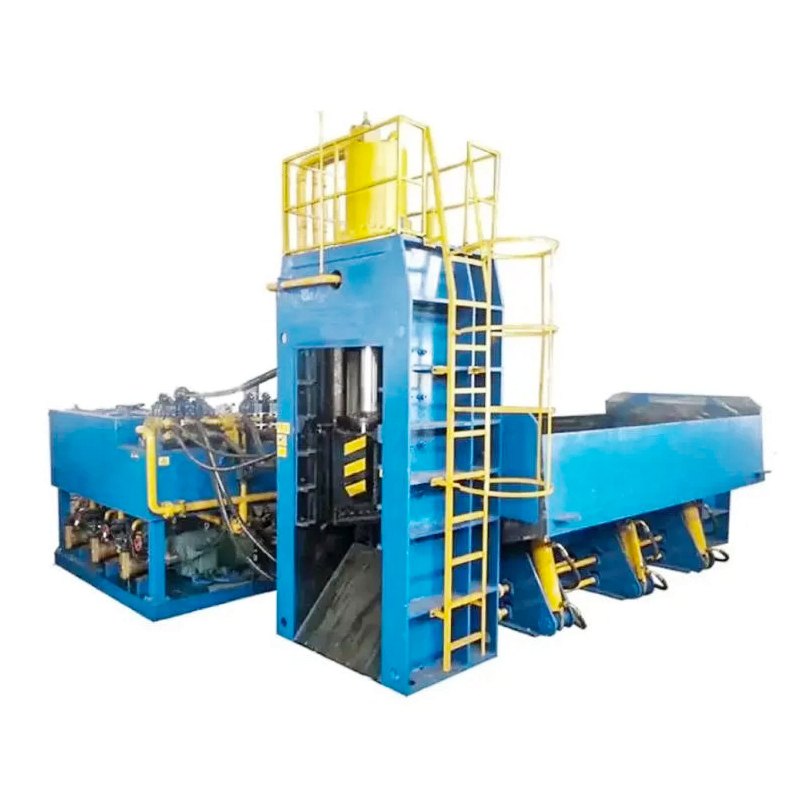
Are you curious about the power behind industrial balers? These machines play a crucial role in waste management and recycling. Understanding the force they exert is essential for optimizing their performance. In this article, we'll explore how much force an industrial baler has. You’ll learn about different types of balers, their applications, and why force matters in recycling efficiency.
Understanding Industrial Balers
An industrial baler is a powerful machine designed to compress and package large volumes of waste materials into manageable bales. These bales are easier to store, transport, and recycle, making balers vital in waste management processes. By applying significant force, industrial balers transform loose materials into dense, uniform shapes that enhance efficiency and reduce costs.
Role in Waste Management and Recycling
Industrial balers play a crucial role in waste management by helping organizations reduce the volume of waste they generate. This reduction not only saves space but also lowers transportation costs. In recycling, balers are essential for creating bales of recyclable materials, which can be sold to processing facilities. The compact bales are easier to handle and can significantly improve recycling rates, aligning with sustainability goals.
Types of Materials Processed by Industrial Balers
Industrial balers can handle a wide variety of materials, including:
● Cardboard: Often used in retail and manufacturing, cardboard is one of the most common materials processed.
● Plastics: Various types of plastics, including PET and HDPE, are baled for recycling.
● Metals: Scrap metals are also processed, providing a valuable resource for manufacturers.
Material Type | Common Applications | Average Force Required |
Cardboard | Retail, Manufacturing | 12,000 - 100,000 lbs |
Plastics | Recycling Facilities | 20,000 - 60,000 lbs |
Metals | Scrap Yards, Factories | 60,000 - 200,000 lbs |
Applications Across Industries
Industrial balers are utilized across various sectors, demonstrating their versatility and importance. Here are some examples of industries that rely on these machines:
1. Manufacturing: Factories generate significant amounts of waste, including cardboard and metal scraps. Balers help manage this waste efficiently.
2. Retail: Stores receive products in cardboard packaging, making balers essential for compressing and recycling this material.
3. Recycling Facilities: These facilities depend on balers to process incoming recyclable materials, ensuring they are compact and ready for sale.
In summary, industrial balers are indispensable tools in modern waste management and recycling efforts. Their ability to handle diverse materials and provide significant force makes them essential for organizations aiming to improve efficiency and sustainability.
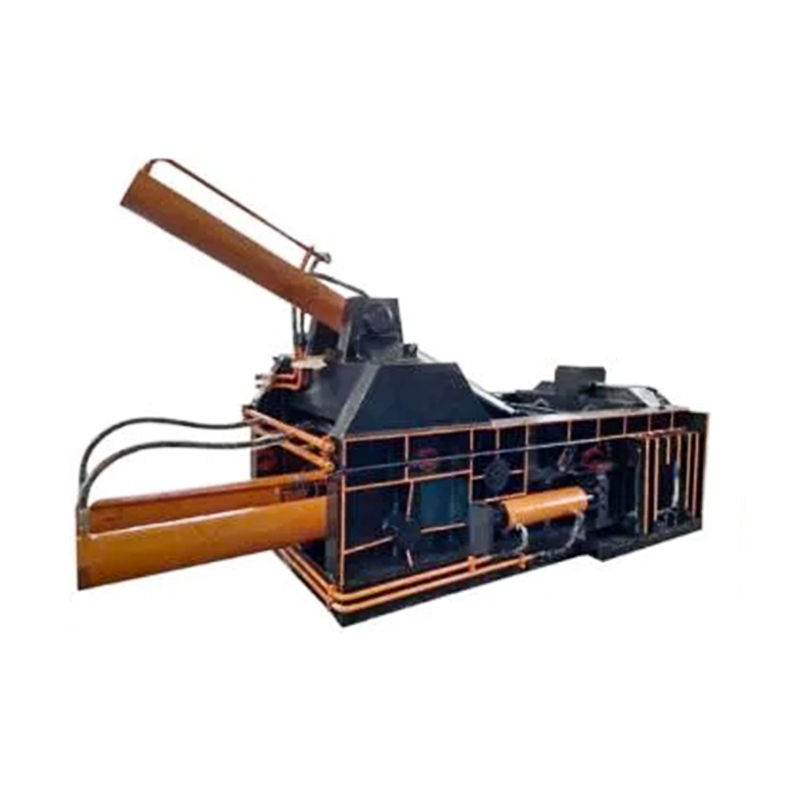
How Much Force Does an Industrial Baler Use?
Understanding the force exerted by an industrial baler is crucial for optimizing its performance. The amount of force can vary significantly based on the type of baler and the materials being processed. Let's dive into how we measure this force and what factors influence it.
Measuring Force in Industrial Balers
Force in industrial balers is typically measured in pounds or tons. This measurement indicates how much pressure the baler can apply to compress materials into bales. For instance, a baler might exert anywhere from 12,000 pounds to over 200,000 pounds of force, depending on its design and purpose.
Measurement Unit | Equivalent Force |
1 Ton | 2,000 Pounds |
60 Tons | 120,000 Pounds |
100,000 Pounds | 50 Tons |
Variations in Force by Baler Type
Vertical Balers
Vertical balers are designed to occupy less floor space while still providing significant force. They typically exert a force ranging from 12,000 to 100,000 pounds. This makes them suitable for smaller operations or businesses that handle moderate amounts of waste.
● Applications: Vertical balers are ideal for processing materials like cardboard, paper, and light plastics. They are commonly used in retail settings, small warehouses, and offices, where space is limited but recycling needs are present.
Horizontal Balers
Horizontal balers, on the other hand, are built for high-volume operations. They exert much greater force, often ranging from 60 tons to over 200 tons. This makes them highly effective for large-scale recycling facilities.
● Advantages: With their ability to handle continuous feeding and larger volumes, horizontal balers provide efficiency in processing materials like heavy metals and plastics. They are often automated, reducing manual labor and increasing productivity.
Factors Affecting Baler Force
Several factors can influence the amount of force an industrial baler exerts:
● Material Type and Density: Different materials require different amounts of force to compress effectively. Denser materials, like metals, typically need more force than lighter materials, like cardboard.
● Baler Design and Technology: The technology used in the baler, such as shear versus pre-press systems, affects how force is applied. Shear balers use cutting mechanisms to handle bulky materials, while pre-press balers use flaps to compress before the main ram applies force.
● Operational Settings and Adjustments: Operators can adjust settings based on the material being processed. This includes modifying the stroke length and pressure settings to optimize performance.
Influence of Moisture Content
Moisture content in materials can significantly affect baling efficiency. High moisture levels can lead to heavier bales, but they don’t add value. Instead, they can weaken the materials, making them harder to compress effectively. For example, wet cardboard can become mushy, requiring more force and energy to achieve the desired density. Keeping materials dry is essential for maximizing the effectiveness of the baling process.
In summary, understanding the force used by industrial balers helps businesses optimize their waste management strategies. By considering the type of baler, the materials processed, and the influence of moisture, companies can improve their recycling efforts and reduce operational costs.
The Importance of Baler Force in Recycling
The force exerted by an industrial baler plays a critical role in the recycling process. It affects efficiency, cost, and environmental impact. Understanding these aspects can help organizations optimize their waste management strategies.
Impact on Efficiency
The amount of force a baler applies directly influences compaction and bale density. Higher force leads to denser bales, which are crucial for efficient storage and transport. When materials are compacted effectively, it maximizes space and minimizes handling costs.
● Optimal Bale Density: Achieving the right bale density is essential. Bales that are too loose can take up valuable space and may not stack properly during transport. Conversely, overly compressed bales can be difficult to handle and may break apart, leading to waste. Ideally, a well-compacted bale should weigh more while occupying less space.
Bale Density Range | Benefits | Challenges |
Low Density | Easier to handle | Takes up more space |
Optimal Density | Space-efficient, cost-effective | Requires precise force control |
High Density | Maximizes transport efficiency | Risk of damage to materials |
Cost Implications
The relationship between baler force and operational costs is significant. Higher force often translates to better compaction, which can lead to substantial cost savings in waste management. When bales are denser, fewer trips are needed to transport them, reducing fuel and labor costs.
● Cost Savings: Companies can save money by optimizing their baling process. For example, if a baler can compact materials more efficiently, it may reduce the number of loads required to transport the same amount of waste. This efficiency lowers overall operational costs, making it a smart investment for businesses.
Environmental Benefits
Baler force also contributes to environmental sustainability by reducing waste volume. When materials are compacted effectively, it leads to a decrease in the number of trips needed for transportation, thus lowering carbon emissions.
● Contribution to Recycling Rates: Effective baling increases the recycling rate by ensuring that more materials are processed and sent for recycling. In fact, studies show that facilities using high-force balers can achieve recycling rates of over 90%. This not only helps businesses meet sustainability goals but also supports broader environmental initiatives.
Achieving Higher Recycling Rates
Statistics reveal the impact of balers on recycling efforts. Facilities equipped with powerful balers can process significantly more materials than those without. For instance, a study found that:
● Facilities using industrial balers: Achieved up to 30% higher recycling rates compared to those using manual methods.
● Baler efficiency: Can result in a reduction of waste sent to landfills by up to 50%.
This data highlights how investing in the right baling equipment can lead to substantial improvements in recycling efforts and environmental stewardship.
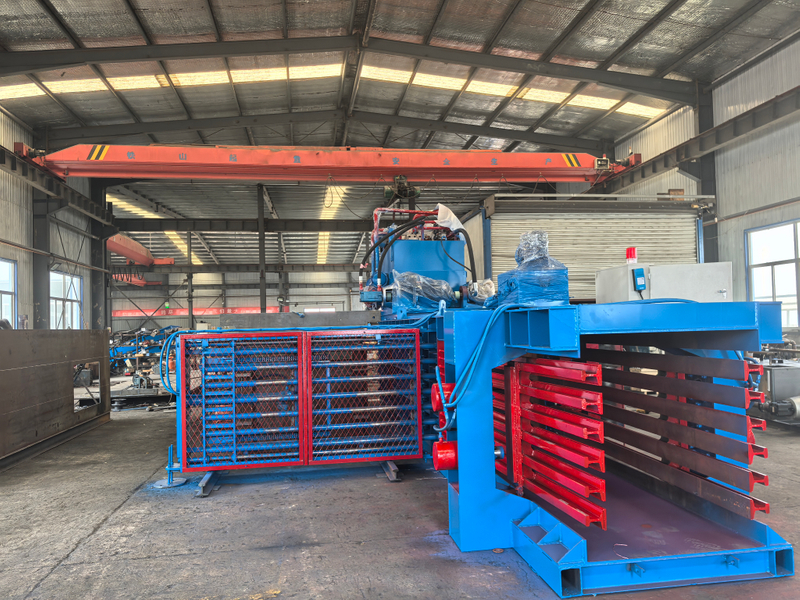
Choosing the Right Industrial Baler for Your Needs
Selecting the right industrial baler can significantly impact your waste management efficiency. It’s essential to consider various factors to ensure you choose a baler that meets your specific needs. Let’s explore how to assess your requirements and make an informed decision.
Assessing Your Waste Volume and Type
The first step in choosing a baler is to evaluate your business’s waste management needs. This involves understanding the volume and type of materials you generate regularly.
● Evaluating Waste Volume: Determine how much waste your business produces daily, weekly, or monthly. This information helps in selecting a baler that can handle your specific load without overworking the machine.
● Matching Baler Force: Different materials require different amounts of force for effective baling. For example, heavier materials like metals need more force compared to lighter materials like cardboard. By matching the baler’s force to the types of materials you process, you can maximize efficiency and ensure quality bales.
Material Type | Typical Force Required | Ideal Baler Type |
Cardboard | 12,000 - 100,000 lbs | Vertical Baler |
Plastics | 20,000 - 60,000 lbs | Horizontal Baler |
Metals | 60,000 - 200,000 lbs | Heavy-Duty Horizontal Baler |
Space and Budget Considerations
Space and budget are critical elements when selecting an industrial baler. Understanding your available space helps in determining the appropriate type of baler.
● Comparing Baler Types: Vertical balers require less floor space and are ideal for smaller operations, while horizontal balers are larger but offer higher capacity. Assess your facility layout to determine which baler fits best.
● Cost versus Benefits: While high-force balers may have a higher upfront cost, they can lead to long-term savings through improved efficiency and reduced transportation costs. It’s essential to weigh these factors against your budget to make a sound investment.
Custom Solutions for Unique Needs
Every business has unique waste management challenges. Therefore, tailored baling solutions can significantly enhance operational efficiency.
● Importance of Customization: Some businesses may need specialized balers designed for specific materials or operational processes. For instance, a baler equipped with a pre-press feature might be ideal for businesses dealing with mixed materials, ensuring better compaction.
● Examples of Customized Balers:
○ Retail Stores: A vertical baler with a smaller footprint can efficiently handle cardboard and plastic waste.
○ Manufacturing Facilities: A heavy-duty horizontal baler designed for metal scraps can streamline the recycling process, reducing labor and increasing safety.
By carefully assessing your waste volume, considering space and budget, and exploring custom solutions, you can choose the right industrial baler. This investment will not only improve your waste management but also contribute to sustainability goals.
Conclusion
Understanding the force of an industrial baler is crucial for effective waste management. It directly impacts efficiency, cost, and environmental benefits. Businesses should assess their current baling needs to choose the right baler for their operations. For tailored solutions, consider reaching out to Shengxin, known for its high-quality balers that enhance productivity and sustainability. Their products offer unique advantages in various applications, ensuring value for your investment.
FAQ
Q: What is an industrial baler?
A: An industrial baler is a machine used to compress waste materials into compact bales for easier handling and transport.
Q: How much force does an industrial baler exert?
A: The force of an industrial baler can range from 12,000 pounds to over 200,000 pounds, depending on its type and design.
Q: Why is baler force important in recycling?
A: The force of an industrial baler directly affects compaction efficiency, leading to denser bales that optimize storage and transportation.
Q: How do I choose the right industrial baler for my needs?
A: Assess your waste volume and material type to match the baler force with your specific requirements for efficient waste management.
Q: What are the advantages of using a high-force industrial baler?
A: High-force industrial balers improve bale density, reduce transportation costs, and enhance overall recycling rates, benefiting your operations.


