Prevent silage spoilage and mechanical failure. Upgrade to a heavy-duty round baler with reinforced chambers, pre-cutting rotors, and film binding for high-moisture crops.
Managing loose metal scrap creates massive operational bottlenecks in modern industrial yards. Piles of uncompacted material consume valuable floor space, complicate daily logistics, and ultimately reduce overall material valuation. Facility managers constantly battle these workflow inefficiencies while attempting to scale their operations securely.
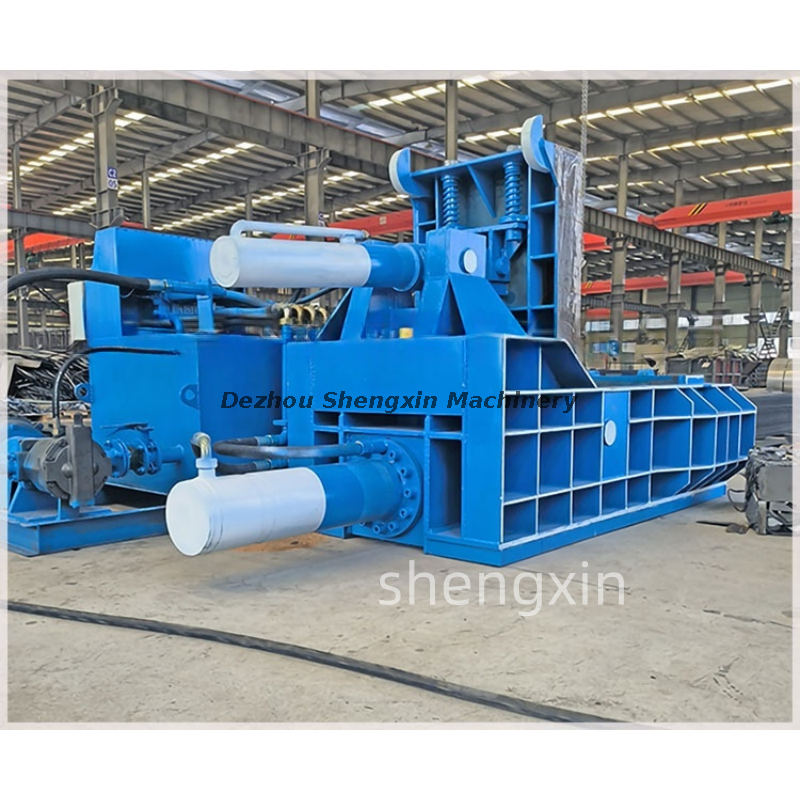
Finding the right compression equipment often forces a difficult choice. Managers must decide between underpowered compactors and massive, overly expensive systems. A 125-ton hydraulic metal baler acts as a strategic operational upgrade. It strikes the perfect balance between robust processing power and reasonable infrastructure requirements for mid-to-high volume recycling centers.
We will provide a strict technical evaluation framework for your facility. You will discover exactly how a 125-ton capacity machine optimizes throughput, footprint, and daily infrastructure demands. We will outline everything you need to know to determine if this specific machinery aligns perfectly with your yard’s operational reality.
Key Takeaways
Optimal Capacity: A 125-ton press force is ideal for processing light-to-medium scrap (aluminum, copper, steel shavings) without the excessive power consumption of 315-ton heavy-duty units.
Discharge Mechanics: Choosing between "push-out" and "turn-out" discharge methods directly dictates your yard's automation potential and labor requirements.
Infrastructure Demands: Successful deployment requires specific horizontal floor space, three-phase electrical integration, and strict hydraulic maintenance protocols.
ROI Drivers: Densifying scrap increases payload efficiency per truckload, directly impacting transportation margins and scrap resale value.
Why the 125-Ton Capacity Fits Mid-Sized Industrial Yards
Industrial recycling operations frequently struggle to match their equipment to their actual processing volume. Manual compacting wastes countless labor hours and exposes workers to unnecessary physical risks. Low-tonnage compactors frequently jam when processing anything thicker than standard aluminum cans. Conversely, massive 300-ton crushers demand huge foundation overhauls and draw excessive electrical power. Mid-sized industrial yards need an effective bridge between these two extremes.
You can easily define realistic volume capabilities when utilizing a 125-ton capacity machine. A standard 125-ton industrial baler typically processes between 1.5 to 3 tons of material per hour, depending entirely on the scrap density. These machines commonly produce standardized bale sizes, often measuring 300mm by 300mm. This uniform bale size allows operators to stack material perfectly inside standard shipping containers or flatbed trailers.
Throughput Expectations Matrix (125-Ton Capacity)
Material Type
Estimated Output (Tons/Hour)
Typical Bale Density
Aluminum Extrusions
1.5 - 2.0
High (Easily compressed)
Copper Wire/Tubing
2.0 - 2.5
Very High
Steel Shavings/Turnings
2.5 - 3.0
Medium-High
Light Gauge Sheet Metal
1.5 - 2.5
Medium
The 125-ton capacity represents an industry standard for general municipal and mid-tier industrial scrap operations. It provides an operational sweet spot. The machine delivers enough compression density to maximize your shipping payloads. At the same time, it operates efficiently without requiring operators to pour massive, multi-foot concrete foundation pads just to absorb extreme vibration.
Core Evaluation Criteria: Matching Machine Specs to Yard Operations
Push-Out vs. Turn-Out Discharge Methods
The method your machine uses to eject the finished bale fundamentally alters your yard's workflow. The "push-out" method utilizes a primary hydraulic cylinder to push the finished bale out linearly through an exit gate. We highly recommend this design for facilities focusing on heavy automation. The linear push seamlessly ejects the dense bale directly onto a moving conveyor belt, eliminating any need for human handling.
You must contrast this against the "turn-out" or flip-out method. Turn-out models use a secondary cylinder mechanism to flip the finished block out of the top or side of the compression chamber. While these units typically present a lower initial purchase price, they rely heavily on manual labor or forklift intervention to remove the ejected block from the immediate workspace. Choose the push-out method if your goal involves continuous, hands-free operation.
Horizontal vs. Vertical Configuration
A horizontal metal press machine commands a significantly larger floor footprint. However, it delivers vastly superior continuous-feeding capabilities. Operators can utilize magnetic cranes, grapple excavators, or automated incline conveyors to drop loose scrap directly into the wide top-loading hopper. This keeps the machine running constantly.
Vertical units operate quite differently. Facility managers rarely utilize vertical configurations for 125-ton industrial applications. Vertical designs require operators to manually feed material into a smaller chamber door, pausing the operation between each cycle. Because high-volume yards prioritize automated hopper feeding, horizontal models remain heavily preferred across the industrial sector.
Hydraulic System Reliability
The entire operation lives or dies based on the reliability of the hydraulic system. You must strictly evaluate the hydraulic block design, cylinder seal composition, and the primary motor brand. A massive 125-ton ram creates extreme internal pressure, meaning cheap cylinder seals will inevitably fail under continuous industrial usage.
Expertise Marker: We strongly advise buyers to verify the exact cooling system capacity before finalizing any purchase. Continuous machine operation in non-climate-controlled environments rapidly increases hydraulic fluid temperature. Excessive heat breaks down oil viscosity, leading to sluggish cylinder speeds and severe pump damage. Always demand robust water chillers or high-capacity air coolers if your yard experiences harsh summer temperatures.
Material Compatibility: Capabilities and Limitations
Optimal Materials
You achieve peak operational efficiency when feeding the right materials into the chamber. The 125-ton capacity excels at processing specific light-to-medium scrap profiles. It effortlessly crushes bulky aluminum extrusions, thick copper wire, loose steel shavings, discarded tin cans, and light-gauge sheet metal. These materials yield easily under 125 tons of pressure, creating tightly packed bricks ready for the smelter.
Performance Limits
We must establish completely transparent performance limits. A 125-ton recycling baler is absolutely not designed to process heavy structural steel. You must never attempt to crush thick I-beams, heavy machinery components, or intact automotive chassis inside this specific chamber.
Overloading the compression chamber with improper, rigid materials causes catastrophic equipment failure. Forcing the ram against unyielding steel stalls the motor, drastically spikes internal fluid pressure, and inevitably blows out the main cylinder seals. Furthermore, utilizing the machine for heavy structural steel instantly voids manufacturer warranties. You must train operators to aggressively sort out structural steel before it reaches the feed hopper.
Material-Specific Transport Efficiency
Densifying different metals yields varying transport efficiencies based on maximum freight weight limits. When you compress loose aluminum, you dramatically reduce its volume. Because aluminum weighs relatively little, you can pack significantly more dense bales into a standard shipping container before hitting maximum road-weight limits. Conversely, compressing steel shavings maximizes payload weight much faster. In both scenarios, densification ensures every departing truck carries maximum allowable weight, drastically reducing total freight trips.
Implementation Realities: Rollout, Power, and Safety Compliance
Site Prep & Footprint
Deploying heavy industrial machinery requires precise physical preparation. You cannot simply drop a 125-ton press onto a standard warehouse floor. Successful deployment requires strict attention to physical infrastructure details:
Concrete Pad Thickness: You need a reinforced concrete pad thick enough to support the static weight of the machine plus the dynamic impact weight of falling scrap.
Vibration Dampening: Operators must install heavy-duty industrial shock mounts underneath the frame to prevent structural vibration from cracking the surrounding concrete over time.
Clearance Protocols: You must leave at least three feet of open space around the entire perimeter. Maintenance teams require this clearance to access hydraulic hoses, replace worn liner plates, and conduct daily visual inspections.
Electrical & Power Draw
Industrial machinery demands robust electrical integration. A typical 125-ton system requires a dedicated, industrial three-phase power supply. You must consult a licensed electrician to verify your facility can handle sudden power spikes.
The primary electrical draw does not remain constant. The machine pulls a moderate amount of power while the ram extends through loose air. However, the energy draw spikes significantly during the final compression stage when the hydraulic pump works its hardest to form the dense block. Your electrical panels must accommodate this peak amp draw without tripping breakers or causing voltage drops across the rest of your facility.
Safety & Compliance Standards
Industrial yards present inherently dangerous environments. Your newly installed equipment must feature non-negotiable safety standards to protect your workforce.
Emergency Stop (E-Stop) Placement: Install prominent, easily accessible E-stop buttons at every operator station and near the primary loading hopper.
Safety Cages: Enclose all exposed moving parts and discharge zones in reinforced steel cages to prevent accidental worker entry during active cycles.
Dual-Hand Controls: Mandate control panels requiring operators to use both hands simultaneously to initiate the compression cycle, ensuring hands remain completely clear of the crushing chamber.
Experience Marker: Facility managers quickly learn a harsh operational reality. Machine jams are almost exclusively caused by improper human loading, not mechanical failure. Operators frequently try to overstuff the chamber to save time. Strict Standard Operating Procedures (SOPs) prevent overfilling and ensure workers respect the material limitations of the chamber.
Vendor Shortlisting and Procurement Strategy
Evaluating Warranties
Selecting the right manufacturing partner matters just as much as selecting the right tonnage. You must aggressively evaluate the warranties offered by potential vendors. We strongly advise against accepting vague, generalized warranty terms. A generic "one-year coverage" document rarely protects you from the most expensive potential failures.
Buyers must look for highly specific, itemized guarantees. Demand explicit written coverage for the primary hydraulic cylinder bore, the directional valve block, the main electrical motor, and the internal structural welds. Furthermore, verify whether the warranty covers immediate replacement parts or merely factory repairs, as shipping a 125-ton frame back to a manufacturer causes unacceptable facility downtime.
Next-Step Actions
When you are ready to evaluate potential vendors, follow a strict qualification checklist. Do not rely solely on glossy brochures or standard specification sheets.
Request a live video demonstration showing the exact machine processing your specific type of scrap material.
Demand an explicit inventory list of readily available spare parts, focusing heavily on custom hydraulic seals and proprietary wear plates.
Review the installation support terms to confirm if the vendor provides an on-site engineer to oversee initial startup and operator training.
Inquire about the integration compatibility if you plan to connect the equipment to existing incline conveyors or magnetic sorting lines.
Using robust secondary processing tools, such as a scrap metal baler or alligator shear, helps operators size down abnormally long materials before feeding them into the main compression chamber. Vendors offering a complete ecosystem of preparation tools often provide superior long-term partnership value.
Conclusion
Procuring heavy compression equipment represents a critical infrastructure investment for your yard, not a simple commercial equipment purchase. The way you prepare your site, train your operators, and select your discharge method permanently impacts your daily throughput and logistics efficiency.
The 125-ton model offers the most versatile balance of pure processing power and overall operational efficiency. It easily handles diverse light-to-medium scrap streams without demanding the massive infrastructure overhauls associated with heavy structural recycling equipment.
We encourage you to conduct a comprehensive audit of your daily scrap volume immediately. Analyze your specific material types, consult with a structural engineer regarding your concrete floor ratings, and finalize the exact discharge footprint required to automate your workflow securely.
FAQ
Q: How long does a cycle take on a typical 125-ton scrap metal baler?
A: A standard processing cycle typically takes between 60 to 90 seconds. The exact duration depends heavily on the specific material type being compressed and the loading speed. Highly automated hopper-fed systems maintain faster, more consistent cycle times compared to manual loading methods.
Q: What type of hydraulic oil is required, and how often should it be changed?
A: Operators generally use AW46 or AW68 anti-wear hydraulic fluid. You should select the specific viscosity grade based on your local climate temperatures. Facility maintenance teams must completely drain and replace the hydraulic oil every 2,000 operational hours or annually, alongside regular filter replacements.
Q: Can a 125-ton baler process whole cars?
A: No. A 125-ton machine lacks the internal dimensions and compressive force required for whole vehicles. Processing intact car chassis or heavy structural steel requires dedicated auto crushers or heavy-duty balers featuring 300 to 500+ tons of pressure.
Q: What is the difference between a baler and a shear baler?
A: Standard balers strictly compress loose scrap into dense, uniform blocks for easy transport. Shear balers combine two functions: they first compress the material and then utilize a heavy-duty guillotine blade to cut long, rigid materials into specifically sized pieces for foundries.
Dezhou Shengxin Machinery Equipment Co., Ltd. is a company specializing in the production of balers, integrating R&D, production, sales and service, and has a complete and scientific quality management system.
Add: No. 2 Workshop, No. 66, South of Provincial Highway 353, Luoli Village, Taitousi Town, Canal Economic Development Zone, Dezhou City, Shandong Province