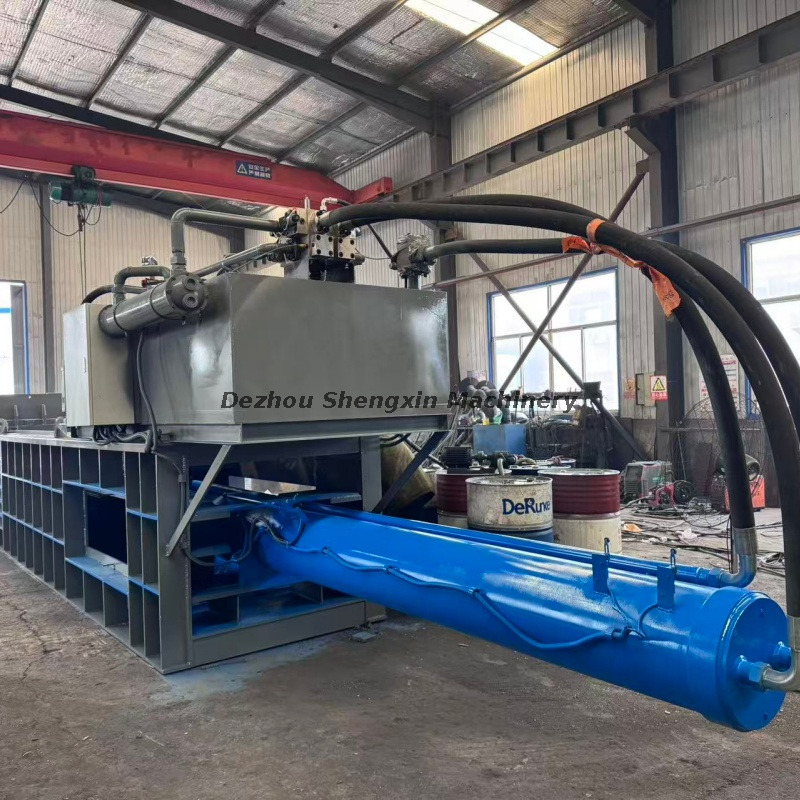
Have you ever wondered how businesses manage their waste efficiently? A baling machine is key to this process.
In this article, we’ll explore what a baling machine is and its vital role in waste management and recycling. You'll learn how these machines reduce waste volume and save costs, transforming unwanted materials into valuable commodities.
Types of Industrial Balers
When it comes to managing waste, understanding the different types of industrial balers is crucial. Each type serves specific purposes and industries, providing unique advantages and applications. Here’s a closer look at the main categories of industrial balers.
Overview of Different Types
Industrial balers can be categorized into several types, including:
● Horizontal Balers
● Vertical Balers
● Liquid Extraction Balers
● Specialized Agricultural Balers
These machines are designed to handle various materials and waste streams, ensuring efficient processing and management.
Horizontal Balers
Horizontal balers are widely used in high-capacity operations, such as Material Recovery Facilities (MRFs) and distribution centers. They are ideal for processing large volumes of materials like cardboard, plastics, and metals.
Advantages:
● High Capacity: They can handle large amounts of material, making them suitable for busy facilities.
● Automation: Many horizontal balers come with automated systems, reducing labor costs and increasing efficiency.
Disadvantages:
● Space Requirements: These machines typically require more floor space, which can be a limitation for smaller operations.
Feature | Horizontal Balers |
Capacity | High |
Automation | Yes |
Space Requirement | Large |
Vertical Balers
Vertical balers are perfect for smaller operations, such as retail stores and small warehouses. They are compact and designed to fit into limited spaces while still effectively compressing materials.
Efficiency and Space-Saving Benefits:
● Vertical balers occupy less floor space compared to their horizontal counterparts, making them ideal for businesses with limited room.
● They can be manually operated or come with automated systems, providing flexibility based on the operation's needs.
Application Examples:
● Retail stores often use vertical balers for paper and cardboard.
● Small warehouses benefit from these machines for managing waste efficiently.
Specialized Balers
Specialized balers cater to unique materials and applications, ensuring effective processing for specific waste streams.
Examples of Specialized Balers:
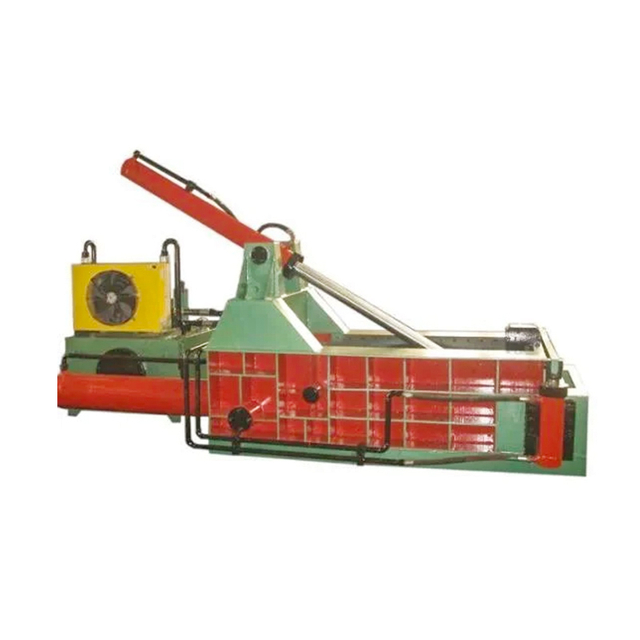
● Scrap Metal Balers: Designed for compressing metals, these balers create dense, manageable bales for recycling.
● Can Balers: These machines efficiently process aluminum and steel cans, turning them into compact bales ready for resale.
Unique Features:
● Specialized balers often have enhanced mechanisms to handle tough materials and ensure optimal compaction.
● They may include features like shear blades for cutting oversized items or pre-press systems for elastic materials.
Type of Specialized Baler | Application | Key Feature |
Scrap Metal Baler | Compressing metal waste | High-density compression |
Can Baler | Processing cans | No wire ties required |
Understanding the types of industrial balers helps businesses choose the right equipment for their waste management needs. By selecting the appropriate baler, companies can optimize their recycling processes and contribute to a more sustainable future.
How Do Industrial Balers Work?
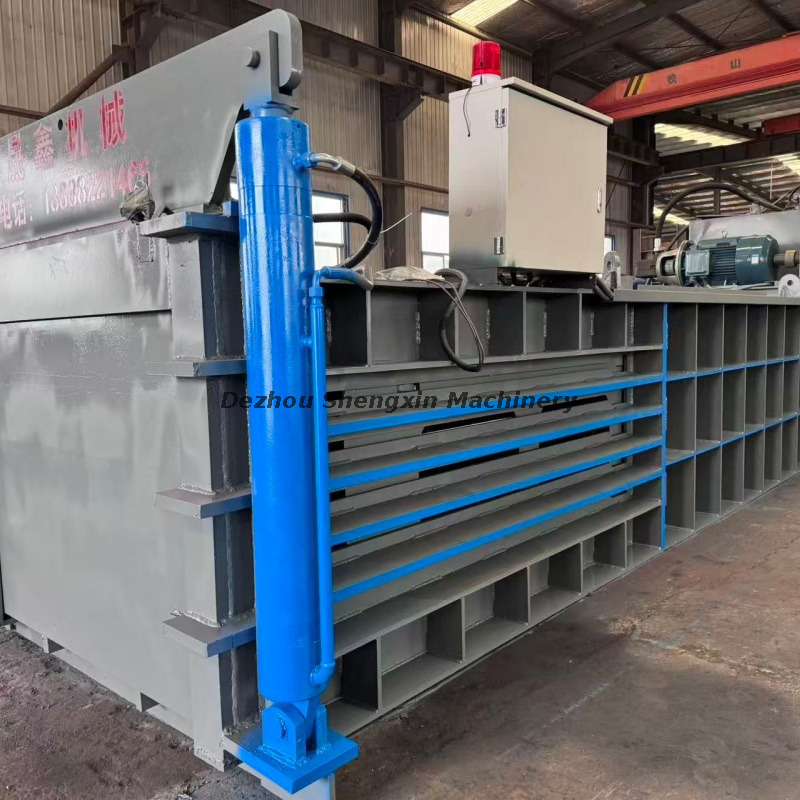
Understanding how industrial balers operate is essential for businesses looking to optimize their waste management processes. These machines efficiently compress and bundle recyclable materials, transforming loose waste into compact bales. Let’s break down the baling process and explore the key components that make these machines effective.
The Baling Process Explained
The baling process involves several crucial steps that ensure materials are efficiently compressed and prepared for recycling. Here’s a step-by-step breakdown:
1. Feeding Materials into the Baler
a. Materials are loaded into the baler through a feed hopper, often using a conveyor belt for continuous operation. This initial step is vital as it sets the stage for effective compression.
2. Compression: How the Hydraulic System Works
a. Once enough material is fed into the chamber, the hydraulic system activates. It uses immense force to compress the materials, squeezing out air and reducing their volume significantly—sometimes by up to 90%. This process creates a dense, stackable bale.
3. Tying and Ejection of Bales
a. After the compression cycle is complete, the machine’s automatic tying system wraps the bale with high-tensile wire or plastic straps. Once tied, the bale is ejected from the chamber, ready for storage or transport. This automated process enhances efficiency and reduces labor costs.
Step | Description |
Feeding | Materials are loaded into the baler. |
Compression | Hydraulic force compresses the materials. |
Tying | The bale is securely tied for transport. |
Ejection | The finished bale is ejected for collection. |
Key Components of an Industrial Baler
Industrial balers consist of several key components that work together to ensure durability and efficiency. Understanding these parts can help in selecting the right baler for specific needs.
● Hydraulic Power Pack
○ This is the heart of the baler, generating the hydraulic pressure required for compression. A reliable power pack ensures consistent performance and longevity.
● Compression Chamber
○ The chamber is where materials are compressed. Its design and size affect the baler’s capacity and efficiency. A well-constructed chamber can withstand high pressures without warping.
● PLC Controller
○ The Programmable Logic Controller (PLC) acts as the brain of the baler. It manages the various functions of the machine, including timing and operation sequences, ensuring optimal performance.
● Automatic Tying System
○ This system simplifies the tying process, allowing for quick and secure bundling of bales. It enhances productivity by reducing the need for manual labor.
Component | Function |
Hydraulic Power Pack | Generates hydraulic pressure for compression. |
Compression Chamber | Compresses materials into dense bales. |
PLC Controller | Controls the baler's operations and functions. |
Automatic Tying System | Automatically ties bales for transport. |
Quality components are crucial for the efficiency of industrial balers. Investing in machines built with durable materials and advanced technology can lead to lower maintenance costs and increased productivity over time. By understanding how these machines work, businesses can make informed decisions about their waste management strategies.
Benefits of Using Industrial Balers
Industrial balers offer numerous advantages that can significantly enhance waste management strategies for businesses. From cost savings to environmental benefits, these machines play a crucial role in modern recycling efforts. Let’s explore the key benefits of using industrial balers.
Cost Savings
One of the most compelling reasons to invest in industrial balers is the potential for cost savings.
● Reducing Waste Disposal Costs: By compressing materials into compact bales, businesses can minimize the volume of waste sent to landfills. This reduction leads to lower disposal fees, as many waste management companies charge based on the weight or volume of waste.
● Revenue from Baled Materials: Baled materials, such as cardboard and plastics, can be sold to recycling centers. This creates an additional revenue stream, further offsetting the initial investment in baling equipment.
● Total Cost of Ownership Comparison: When evaluating different baler manufacturers, it’s essential to consider the total cost of ownership. This includes purchase price, maintenance costs, and operational efficiency. A well-built baler may have a higher upfront cost but can save money over time through lower operational expenses.
Cost Factor | Description |
Waste Disposal Savings | Lower fees due to reduced waste volume. |
Revenue from Recycling | Income generated from selling baled materials. |
Total Cost of Ownership | Consider all costs to find the best value. |
Operational Efficiency
Another significant advantage of industrial balers is their ability to streamline operations.
● Space Optimization: Baling reduces the physical space required to store waste. Instead of large piles of loose materials, businesses can stack compact bales, freeing up valuable floor space for other uses.
● Streamlined Waste Management: With an efficient baling process, companies can handle waste more effectively. Automated systems can reduce the time spent on waste management tasks, allowing staff to focus on other critical areas.
● Reduction in Labor Hours: By automating the baling process, businesses can cut down on labor hours required for waste handling. This efficiency not only saves money but also minimizes the risk of workplace injuries associated with manual handling of waste.
Environmental Impact
The environmental benefits of using industrial balers are substantial and align with corporate sustainability goals.
● Sustainability and Recycling Contributions: Industrial balers support recycling efforts by transforming waste into valuable materials. This process helps divert waste from landfills, promoting a circular economy.
● Reducing Carbon Footprint: Efficient waste processing through baling can lead to a lower carbon footprint. By minimizing transportation needs—thanks to reduced waste volume—businesses can decrease their overall greenhouse gas emissions.
● Corporate Social Responsibility (CSR): Today, consumers and stakeholders expect businesses to act responsibly. Implementing effective waste management practices, such as using industrial balers, demonstrates a commitment to sustainability and can enhance a company’s reputation.
Environmental Benefit | Description |
Recycling Contributions | Supports the recycling industry and reduces waste. |
Lower Carbon Footprint | Decreases emissions through efficient processing. |
Enhanced CSR | Improves brand image and meets consumer expectations. |
By investing in industrial balers, companies not only improve their operational efficiency and reduce costs but also contribute positively to the environment. These benefits make balers an essential component of modern waste management strategies.
Choosing the Right Industrial Baler for Your Business
Selecting the right industrial baler is crucial for optimizing waste management processes. With various options available, understanding your specific needs and the features that matter most can help you make an informed decision. Here’s a guide to help you navigate this important choice.
Assessing Your Needs
Before purchasing a baler, it’s essential to assess your unique requirements. Here are some key questions to consider:
● What Materials Will You Be Baling?
● Different balers are designed for specific materials, such as cardboard, plastics, or metals. Knowing what you’ll be processing helps narrow down your options.What Is the Volume of Waste Generated?
● Understanding the volume of waste your business produces will influence the type of baler you need. High-volume operations may require larger, more efficient machines.What Are the Condition and Type of Materials?
● Consider whether your materials are loose, shredded, or wet. This factor impacts the baler’s performance and the necessary features for effective processing.What Are the Space Constraints?
Evaluate the available space in your facility. Some balers, especially horizontal ones, require more room, while vertical balers are more compact and suitable for smaller areas.
Question | Importance |
Material Type | Determines the type of baler needed. |
Waste Volume | Influences the baler's size and capacity. |
Material Condition | Affects performance and processing efficiency. |
Space Availability | Ensures the baler fits your operational area. |
Features to Look For
Once you’ve assessed your needs, it’s time to consider the key features of industrial balers. Here’s what to keep in mind:
● Durability and Construction Quality
● Look for balers made from high-quality materials. A robust construction ensures longevity and reliable performance, even under heavy use.Safety Features and Compliance
● Ensure the baler meets safety standards, such as CE and ISO certifications. Safety features like emergency stops and protective guards are vital for protecting operators.Automation and Ease of Use
● Automated systems can significantly enhance efficiency. Features like automatic tying and user-friendly controls make operation simpler and reduce the need for manual labor.Manufacturer Expertise and Service Support
Choose a manufacturer known for its expertise in balers. Good customer support and service options are essential for maintenance and troubleshooting.
Feature | Description |
Durability | High-quality materials for long-lasting use. |
Safety Compliance | Adherence to safety standards for operator safety. |
Automation | Features that enhance efficiency and ease of use. |
Manufacturer Support | Reliable service and expertise from the supplier. |
By carefully assessing your needs and understanding the essential features, you can choose an industrial baler that best fits your business. This investment will enhance your waste management practices and contribute to a more efficient operation.
Common Materials Processed by Industrial Balers
Industrial balers are versatile machines designed to handle a wide range of materials. Understanding the types of materials suitable for baling is essential for optimizing waste management processes. Let’s explore some common materials processed by industrial balers and the specific considerations associated with each.
Types of Materials Suitable for Baling
Several materials are ideal for baling, including:
● Cardboard and Paper
● Cardboard and paper products make up a significant portion of recyclable waste. They are lightweight and can be easily compressed into dense bales, making them cost-effective for transportation.Plastics and Shrink Wrap
● Various types of plastics, including PET, HDPE, and shrink wrap, are commonly baled. These materials can be challenging due to their elasticity and tendency to spring back after compression. However, when processed correctly, they can be transformed into manageable bales.Metals (Ferrous and Non-Ferrous)
Both ferrous metals (like steel) and non-ferrous metals (like aluminum) can be efficiently baled. Metal balers are specifically designed to handle the high density and weight of these materials, making them an essential part of recycling operations.
Material Type | Characteristics |
Cardboard and Paper | Lightweight, easily compressed |
Plastics and Shrink Wrap | Elastic, requires specific baling technology |
Metals | Heavy, requires specialized balers |
Material-Specific Considerations
When baling different materials, various challenges may arise. Understanding these challenges is crucial for selecting the right baling technology.
● Challenges with Different Materials
● For instance, PET bottles often exhibit a “memory” effect, where they tend to return to their original shape after compression. This can make achieving a compact bale more difficult. It’s essential to use balers equipped with features designed to handle these specific challenges.Matching Baler Technology to Material Properties
● Not all balers are created equal. The technology used in a baler must align with the properties of the material being processed. For example, a baler designed for cardboard may not effectively compress heavy metals. Therefore, it’s vital to select a baler that fits the material type.Examples of Effective Baling Solutions
For challenging materials like plastics, using a baler with adjustable pressure settings can help achieve better compaction. Similarly, specialized balers for metals may incorporate shear blades to cut through thick materials, ensuring efficient processing.
Material | Challenges | Baling Solution |
PET Bottles | Memory effect during compression | Baler with adjustable pressure settings |
Plastics | Elasticity and tendency to spring back | Baler designed for flexible materials |
Metals | High density and weight | Specialized balers with shear blades |
By understanding the types of materials suitable for baling and the specific considerations for each, businesses can optimize their waste management strategies. Selecting the right baler not only enhances efficiency but also contributes to effective recycling practices.
Conclusion
Industrial balers are essential for efficient waste management. They offer significant cost savings, operational efficiency, and environmental benefits. Understanding the types of materials suitable for baling is crucial for optimizing processes. Businesses should assess their specific waste management needs to choose the right baler. For tailored solutions, consider Shengxin, which provides high-quality balers designed to enhance recycling efforts. Their products deliver unique advantages that add value to your operations. For more information, visit their website.
FAQ
Q: What are industrial balers?
A: Industrial balers are machines designed to compress recyclable materials into compact bales for easier handling and transport.
Q: How do I choose the right industrial baler for my business?
A: Assess your waste management needs, considering material types, volume, and space constraints to select the best industrial baler.
Q: Why are industrial balers important for waste management?
A: Industrial balers help reduce waste disposal costs, improve recycling efficiency, and minimize environmental impact.
Q: What materials can be processed by industrial balers?
A: Common materials include cardboard, plastics, and metals, each requiring specific baling technology for optimal results.
Q: How much do industrial balers typically cost?
A: The cost of industrial balers varies based on size, features, and manufacturer, so it's essential to compare options.
Q: What are the advantages of using industrial balers?
A: Benefits include cost savings, operational efficiency, and enhanced sustainability through improved recycling practices.


