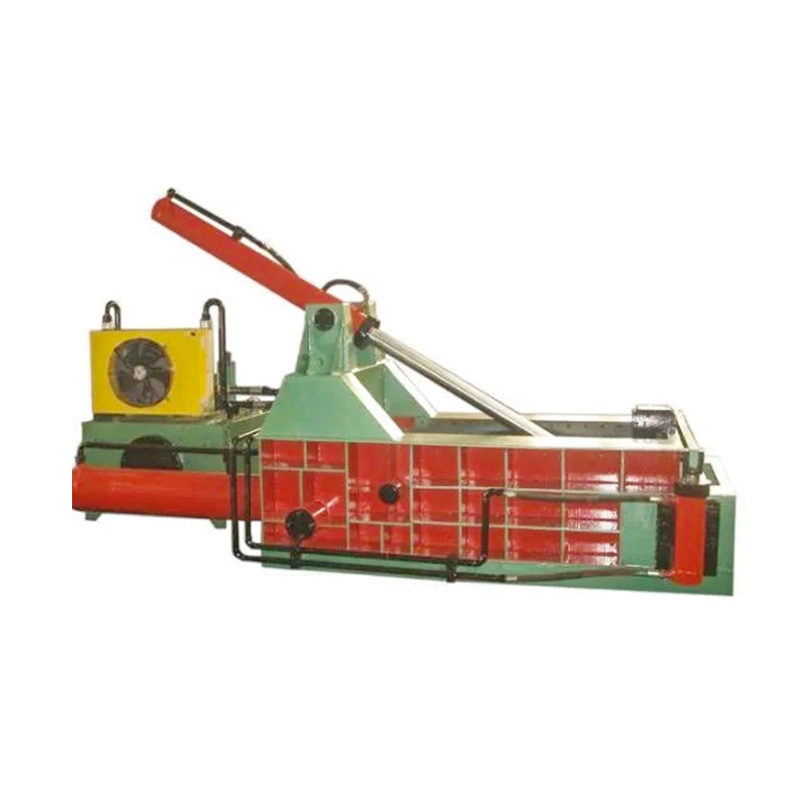
Did you know that scrap metal balers play a crucial role in recycling? These powerful machines transform loose metal into compact, manageable bales. But what exactly is a scrap metal baler, and why is it so important in the recycling industry? In this post, you'll learn about the functionality of scrap metal balers, their types, benefits, and materials they handle. We'll also cover essential factors to consider when selecting one and maintenance tips to keep them running smoothly.
How Does a Scrap Metal Baler Work?
The Baling Process Explained
A scrap metal baler compresses loose metal scraps into dense, manageable blocks called bales. First, the operator loads scrap metal into the baler’s hopper or chamber. This can be done manually or with conveyor systems for larger operations. Once loaded, the baler uses hydraulic pressure to push a ram or pressure plate into the metal, squeezing it tightly.
This compression reduces the metal's volume drastically, making it easier to store and transport. The baling process usually takes just a few minutes per cycle, allowing facilities to handle large volumes efficiently. After compression, the baler ejects the finished bale, either automatically or with the help of cranes or forklifts.
Key Components of a Scrap Metal Baler
Several parts work together to make a scrap metal baler function smoothly:
| Component | Description |
| Hydraulic Cylinders | Generate the force needed to compress the metal. |
| Ram or Pressure Head | Directly presses the scrap metal into a compact bale. |
| Baling Chamber | A sturdy steel enclosure where the metal is compressed and shaped. |
| Feeding Hopper | The opening where scrap metal is loaded into the baler. |
| Control System | Manages the baler’s operation, including pressure settings and safety features. |
| Ejection System | Pushes the finished bale out of the chamber for removal. |
| Safety Devices | Emergency stops, guards, and sensors protect operators during use. |
Understanding Hydraulic Systems in Balers
Hydraulics are the heart of scrap metal balers. The system uses pressurized fluid to move pistons inside cylinders. Electric motors power hydraulic pumps, which push fluid through valves and hoses. This fluid pressure moves the ram with incredible force, often thousands of pounds per square inch.
Hydraulic systems offer precise control over compression speed and pressure, ensuring consistent bale density. They also allow for smooth operation and quick cycle times. Quality seals and filters keep the hydraulic fluid clean, preventing leaks or damage to the system.
In some balers, multiple hydraulic cylinders work together, applying pressure from different angles for denser bales. For example, double-plunger balers use two rams simultaneously to compress scrap more evenly.
Types of Scrap Metal Balers
Scrap metal balers come in many designs, each built for specific materials and operational needs. Choosing the right type helps maximize efficiency and bale quality.
Lid-Style Balers
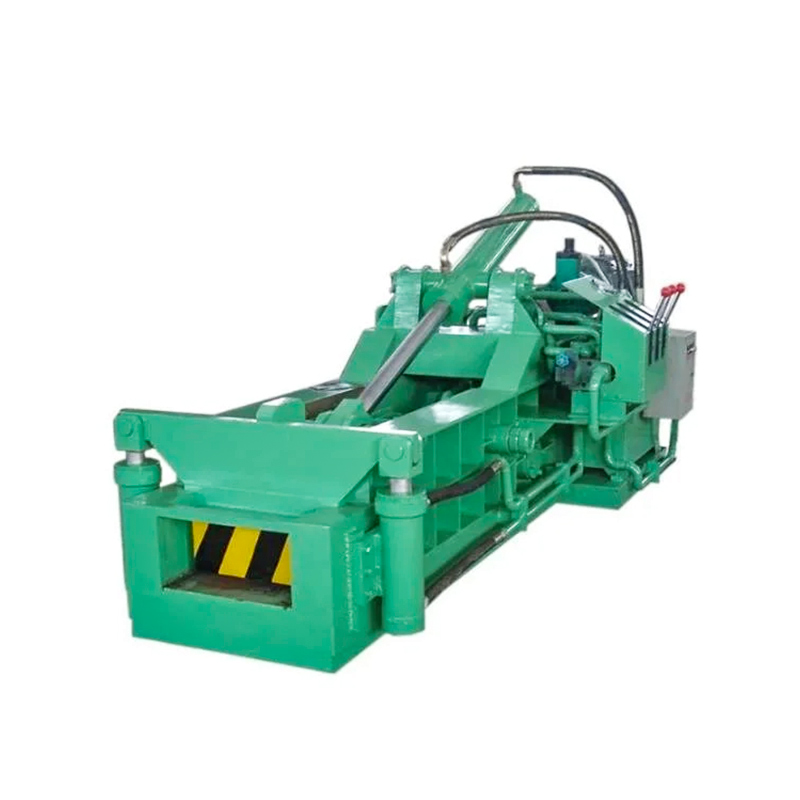
Lid-style balers feature a hydraulic lid that closes over the chamber. This lid pre-compresses large or bulky scrap pieces, like car parts or sheet metal, before the main ram applies horizontal pressure. This two-step compression produces dense, uniform bales from heavy or awkward materials. They’re ideal for scrapyards handling bulky ferrous scrap.
Hopper-Type Balers
Hopper-type balers are designed for lightweight metals such as aluminum cans or thin gauge materials. They have a large feeding hopper allowing continuous loading without frequent stops. This makes them perfect for high-volume, low-density materials common in beverage recycling and manufacturing waste.
Fully Automatic Balers
These balers automate the entire process: loading, compressing, tying, and ejecting bales with minimal operator input. They suit high-throughput facilities aiming to reduce labor costs and boost productivity. Though expensive upfront, they deliver significant efficiency gains in large recycling centers.
Heavy-Duty Balers
Built with reinforced steel walls and powerful hydraulics, heavy-duty balers handle tough industrial scrap like thick steel, cast iron, and heavy machinery parts. Their robust design ensures durability and reliable operation even under constant, demanding workloads.
Double-Plunger Balers
Double-plunger balers use two hydraulic rams pressing from different angles simultaneously. This multi-directional force creates higher-density bales, especially helpful for materials that tend to spring back or resist compression. The result: more stable bales that hold shape during transport.
Stationary vs. Portable Balers
Stationary Balers: Permanently installed at recycling plants, these balers integrate with conveyors and shredders. They offer higher capacity and durability for continuous, large-scale operations.
Portable Balers: Mounted on trailers or skid frames, portable balers can move to scrap sites like construction or demolition projects. They reduce transport costs by baling onsite but usually have lower capacity and fewer features.
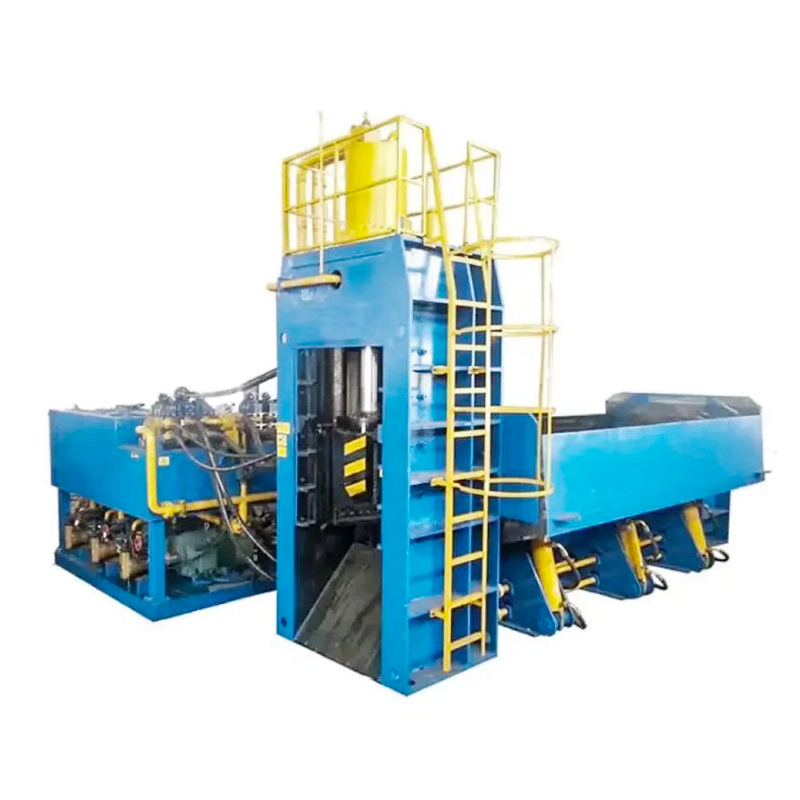
Shear/Baler Combinations
These machines combine shearing and baling functions. They first cut oversized scrap into manageable sizes, then compress it into bales. This dual capability suits scrapyards or demolition sites dealing with varied scrap sizes, streamlining processing in a single machine.
Benefits of Using a Scrap Metal Baler
Storage Space Optimization
Scrap metal balers drastically reduce the space needed to store scrap. Loose metal takes up a lot of room and creates clutter. When compressed into dense bales, metal occupies up to 30% less space. This lets recycling centers handle more material without expanding their facility. Stacks of uniform bales also make inventory management easier and more organized.
Reduced Transportation Costs
Transporting loose scrap metal is inefficient. It wastes truck space and fuel because the metal is bulky and irregular. Baled scrap fits neatly into trucks, allowing more weight per load while staying within legal limits. This reduces the number of trips needed and cuts fuel expenses. The standard bale shape also speeds up loading and unloading, saving labor costs and turnaround time. Some businesses report transportation savings of up to 20%.
Higher Market Value
Baled scrap metal often sells for a higher price than loose scrap. Buyers prefer baled material because it is cleaner, denser, and easier to handle. Uniform bales reduce processing time at recycling mills, lowering costs for buyers. Properly baled scrap melts more consistently, improving furnace efficiency. These factors can lead to a 10-20% price premium, boosting profits for scrap dealers and recyclers.
Enhanced Workplace Safety
Loose scrap metal poses many hazards. Sharp edges can cause cuts, and uneven piles risk collapse or trips. Baled scrap encloses sharp edges inside compact blocks, reducing injury risk. Uniform bales stack safely and securely, making storage and handling safer. Operators face fewer dangers when moving bales with forklifts or cranes. This safer environment can lower workplace accidents and insurance costs.
Environmental Benefits
Using scrap metal balers helps the environment beyond recycling. Efficient bales reduce truck trips, lowering carbon emissions per ton of metal recycled. Higher quality bales improve recycling rates by making metal recovery more profitable. Efficient melting of baled scrap saves energy and cuts emissions at foundries. Overall, balers support a circular economy by conserving resources and reducing landfill waste.
Operational Efficiency Improvements
Balers streamline recycling workflows. Compressed bales move predictably through collection, processing, and shipping. This reduces bottlenecks and improves labor efficiency. Many balers include automation features like automatic tying and ejection systems. These reduce manual handling and increase throughput. Facilities can process more scrap with the same workforce, raising productivity and profits.
Compliance With Regulations
Metal recycling faces strict rules on material handling, transport, and environmental impact. Balers help meet these rules by containing scrap securely during storage and transport. Standardized bales improve traceability and chain-of-custody documentation. Facilities handling hazardous scrap benefit from controlled processing that reduces regulatory risks. Using balers supports safer, compliant recycling operations.
What Materials Can Scrap Metal Balers Handle?
Scrap metal balers are versatile machines built to handle a wide variety of metal types. Each metal has unique properties, so balers are designed to compress them efficiently, creating dense bales that are easier to store, transport, and recycle. Here’s a closer look at the common materials scrap metal balers process:
Steel
Steel is the most common metal processed by balers. It includes everything from structural beams to old machinery parts. Steel scrap is heavy and tough, requiring balers with strong hydraulic systems and durable chambers. Ferrous balers, often equipped with pressing lids, are ideal for steel because they can handle its hardness and weight.
Aluminum
Aluminum is lightweight and softer than steel, making it easier to bale. Common aluminum scrap includes beverage cans, window frames, and manufacturing offcuts. Balers for aluminum often have larger hoppers and faster cycle times to handle high volumes of lightweight scrap efficiently.
Copper
Copper scrap comes from electrical wiring, plumbing pipes, and industrial components. It’s valuable and softer than steel but denser than aluminum. Balers designed for copper typically balance hydraulic force and speed to compress it without damaging the metal.
Brass
Brass, an alloy of copper and zinc, is found in plumbing fixtures, electrical parts, and decorative items. It shares similar baling requirements with copper. Balers compress brass scrap into dense bales, preserving its value for recycling.
Lead
Lead is dense and soft, often found in batteries, radiation shielding, and construction materials. Because of its weight and toxicity concerns, lead scrap baling requires machines with specialized containment and safety features to avoid environmental contamination.
Zinc
Zinc scrap includes die-cast parts, sheets, and coatings. It’s moderately dense and soft. Balers handling zinc need to ensure consistent bale density to maintain material quality for recycling.
Tin
Tin scrap often comes from tin-coated steel cans and packaging. It’s lightweight and requires balers that can compress thin materials without crushing or contaminating them.
Nickel
Nickel is used in alloys, batteries, and electronics. It’s dense and corrosion-resistant. Balers for nickel scrap must provide strong compression force and handle mixed scrap types carefully.
Mixed Metal Scrap
Many recycling operations deal with mixed metal scrap, such as automotive parts or appliances containing steel, aluminum, copper, and other metals. Balers designed for mixed scrap often feature adjustable compression settings and robust construction to handle varying metal densities and shapes efficiently.
Considerations for Selecting a Scrap Metal Baler
Choosing the right scrap metal baler is crucial for maximizing efficiency and profitability. Several factors influence this decision, ensuring the baler fits your specific needs and operational goals.
Type of Metal Waste
Different metals require different balers. Ferrous metals like steel need heavy-duty balers with strong hydraulic systems. Non-ferrous metals like aluminum or copper can use lighter machines with faster cycles. If you handle mixed scrap, consider balers with adjustable compression settings or robust construction to manage varying densities and shapes.
Processing Capacity
Estimate your daily scrap volume to pick a baler that can keep up. High-volume operations benefit from fully automatic or heavy-duty balers that handle continuous loads efficiently. Smaller facilities may prefer semi-automatic or hopper-type balers for moderate throughput. Matching capacity avoids bottlenecks and downtime.
Bale Size and Density
Bale size affects storage and transport. Larger bales reduce handling but require more space and stronger equipment. Bale density impacts transportation costs and resale value — denser bales save space and fetch higher prices. Choose a baler that allows you to control bale dimensions and compression force.
Hydraulic Power and Force
The baler's hydraulic system must match the metal's hardness and thickness. Heavier metals need higher pressure to form dense bales, while lighter metals require less force. Ensure the hydraulic cylinders and pumps provide sufficient power for your scrap types without overloading the system.
Automation and Control Options
Automation boosts productivity by reducing manual labor. Features like automatic tying, ejection, and programmable controls streamline operations. Remote monitoring and diagnostics help maintain performance. Consider the level of automation that fits your budget and workforce skillset.
Footprint and Space Requirements
Assess your available floor space. Stationary balers usually need more room but offer higher capacity. Portable balers save space and add flexibility but may have lower throughput. Ensure the baler fits without disrupting workflow or maintenance access.
Maintenance and Durability
Durable construction lowers downtime and repair costs. Look for machines with wear-resistant components and easy access for servicing. Reliable manufacturers offering spare parts and support improve long-term value. Regular maintenance schedules extend machine life.
Safety Features
Prioritize balers with safety interlocks, emergency stops, and protective guards. Compliance with industry safety standards protects operators and reduces liability. Training your team on safe operation complements these built-in features.
Budget and Total Cost of Ownership
Balance initial cost against operating expenses like energy use, maintenance, and labor. Investing in quality equipment often saves money over time. Factor in potential productivity gains and resale value when calculating total cost.
Customization Options
Some balers offer adjustable bale sizes, specialized feeding systems, or enhanced hydraulic settings. Customization helps tailor the machine to your unique scrap types and workflow, improving efficiency.
Environmental Impact
Energy-efficient balers reduce operating costs and carbon footprint. Features like energy-saving hydraulic pumps and optimized cycle times support sustainability goals. Choosing eco-friendly equipment aligns with regulatory trends and corporate responsibility.
Maintenance Tips for Scrap Metal Balers
Proper maintenance keeps your scrap metal baler running smoothly and extends its lifespan. Neglecting upkeep can cause costly breakdowns and reduce bale quality. Here’s how to maintain your baler effectively:
Regular Inspections
Perform visual checks frequently to spot wear or damage early. Look for hydraulic leaks, cracks in the baling chamber, loose bolts, or worn seals. Inspect electrical wiring for fraying or corrosion. Early detection prevents bigger problems.
Hydraulic System Upkeep
The hydraulic system powers compression, so keep it in top shape. Check fluid levels regularly and top off with manufacturer-approved hydraulic oil. Inspect hoses and fittings for leaks or cracks. Replace damaged parts immediately. Change hydraulic fluid per schedule to avoid contamination that can harm pumps and cylinders.
Lubrication
Apply grease or oil to bearings, joints, and moving parts as recommended. Proper lubrication reduces friction and wear, ensuring smooth operation. Avoid over-lubricating, which can attract dirt and cause buildup.
Blade Maintenance (For Shear Balers)
If your baler has shearing blades, keep them sharp and aligned. Dull blades reduce cutting efficiency and strain the machine. Sharpen or replace blades as needed to maintain clean cuts and consistent bale size.
Cleaning
Remove metal dust, dirt, and debris regularly from the baling chamber, hydraulic components, and control panels. Clean machines operate cooler and avoid clogging or sensor malfunctions. Use compressed air or brushes, but avoid water near electrical parts.
Electrical System Checks
Inspect wiring, connectors, switches, and sensors for damage or loose connections. Faulty electrical parts can cause unexpected shutdowns or safety hazards. Repair or replace components promptly.
Routine Professional Servicing
Schedule periodic professional maintenance for comprehensive checks. Technicians can test hydraulic pressure, calibrate controls, and identify hidden issues. Routine servicing prolongs equipment life and ensures peak performance.
Conclusion
Scrap metal balers efficiently compress loose metal into dense bales, optimizing storage and transportation. They feature hydraulic systems for precise control. Selecting the right baler involves considering metal types, processing capacity, and automation level. Proper maintenance ensures longevity and performance. The future of scrap metal recycling relies on advanced balers for sustainability and efficiency. Shengxin offers high-quality balers that enhance operational efficiency and provide significant value in recycling processes.
FAQ
Q: What is a metal baler machine used for?
A: A metal baler machine is used to compress scrap metal into dense bales, making it easier to store, transport, and recycle.
Q: How does a scrap metal baler work?
A: A scrap metal baler uses hydraulic pressure to compress metal scraps in a baling chamber, reducing their volume and forming compact bales.
Q: Why choose a metal baler machine for recycling?
A: Metal baler machines optimize storage, reduce transportation costs, and increase the market value of scrap metal, enhancing recycling efficiency.
Q: What are the benefits of using a metal baler machine?
A: Benefits include space optimization, reduced transport costs, higher market value, improved safety, and environmental advantages.
Q: How do you maintain a metal baler machine?
A: Regular inspections, hydraulic upkeep, lubrication, blade maintenance, cleaning, and professional servicing keep a metal baler machine in optimal condition.


