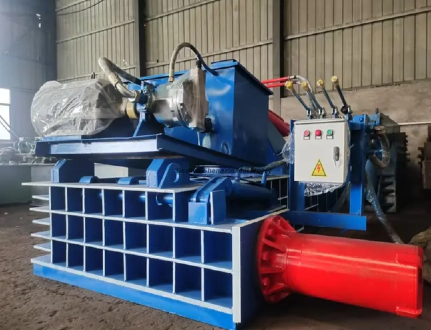
Ever wondered how recycling centers manage heaps of scrap metal? Enter the metal baler machine, a powerhouse in metal recycling. These machines compress loose metal into dense bales, optimizing storage and transportation. In this post, you'll learn about sizing a scrap metal baler, focusing on feedstock, density, and power requirements.
Understanding Feedstock Requirements for Metal Balers
Types of Feedstock
When sizing a scrap metal baler, understanding your feedstock is crucial. Feedstock refers to the types of scrap metal you plan to bale. Common feedstock types include:
| Feedstock Type | Description |
| Ferrous Metals | Steel, iron, and metals containing iron; dense and tough to compress. |
| Non-Ferrous Metals | Aluminum, copper, brass, and metals without iron; lighter and softer. |
| Mixed Scrap | A combination of ferrous and non-ferrous metals, may include plastics or rubber. |
| Industrial Waste | Metal shavings, chips, or shredded scrap from manufacturing processes. |
| Automotive Scrap | Car bodies, engine parts, and other vehicle components. |
Each feedstock type has unique characteristics affecting how it behaves during baling. For example, ferrous metals require more compression force to achieve dense bales, while aluminum scrap needs less force but more careful handling to avoid damage.
Impact on Baler Selection
The feedstock directly influences baler choice in several ways:
Compression Force: Tougher metals need balers with higher hydraulic pressure. For instance, baling heavy structural steel may require press forces over 800 tons, while lighter aluminum scrap might only need 300-500 tons.
Chamber Size: Large, bulky scrap like car bodies demands a bigger feeding chamber and bale size. Smaller scrap or chips fit well in compact chambers.
Bale Density: Different metals compress to different densities. Higher density bales save space and transportation costs but require more powerful balers.
Cycle Time: The nature of the feedstock affects how quickly a bale can be formed. Dense, heavy metals take longer to compress.
Durability: Some scrap types, like mixed or abrasive industrial waste, need balers with reinforced components to withstand wear and tear.
Selecting a baler without considering feedstock can lead to operational inefficiencies. For example, using a baler designed for light aluminum scrap to process heavy steel can cause frequent breakdowns and poor bale quality.
Example: A recycling yard processing mostly aluminum cans and light scrap should opt for a hopper-type baler with moderate press force and fast cycle times. Conversely, a yard handling car body scrap needs a lid-style or heavy-duty baler with high compression power and large chamber capacity.
Evaluating Density Needs for Optimal Baling
Why Density Matters
Bale density is a key factor when sizing a scrap metal baler. It affects storage, transportation, and the overall value of your scrap metal. Denser bales take up less space, reducing storage costs and allowing more material per shipment. This means fewer trips, lower fuel expenses, and less handling time. Higher density also improves the market value of scrap metal. Buyers prefer uniform, compact bales because they are easier to handle and process.
Different metals compress differently. For example, steel bales can reach densities between 2.0 and 2.5 tons per cubic meter, while aluminum bales are lighter, usually around 1.2 to 1.8 tons per cubic meter. Achieving the right density depends on balancing compression force, cycle time, and material type. Too low a density wastes space and money; too high can damage equipment or reduce throughput.
Achieving Desired Bale Density
To reach your target bale density, consider these factors:
Press Force: The hydraulic system must provide enough pressure to compact the metal tightly. Tougher metals like steel need more force, often 800 to 1200 tons, while lighter metals require less.
Compression Chamber Size: Larger chambers handle bulkier scrap but may reduce compression efficiency if not designed properly.
Cycle Time: Longer compression cycles can increase density but reduce throughput. Find a balance that meets production goals.
Material Preparation: Shredding or pre-cutting scrap helps achieve consistent density by eliminating large air gaps.
Multi-Directional Compression: Some balers apply pressure from multiple sides, improving density and bale uniformity.
Tie Systems: Secure tying maintains bale shape during handling and transport, preserving density.
For example, a recycling yard baling mixed scrap might use a baler with 600-1000 tons of press force and a chamber sized to 1.2 x 1.2 x 1.8 meters. This setup can produce dense, uniform bales that maximize space and value without sacrificing throughput.
Power Requirements for Scrap Metal Balers
Hydraulic Power Systems
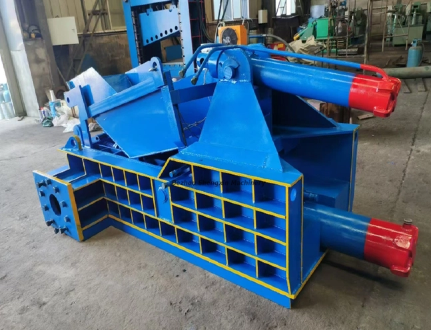
Hydraulic power systems form the heart of scrap metal balers. They generate the force needed to compress metal into dense bales. The system uses hydraulic fluid pumped by an electric motor to drive cylinders or rams that push the scrap metal. The pressure created can range from a few hundred tons to over a thousand tons, depending on the baler size and feedstock.
Key components include:
Hydraulic Pump: Converts mechanical energy into hydraulic energy by moving fluid.
Hydraulic Cylinders: Actuators that apply pressure to compress metal.
Control Valves: Regulate fluid flow and pressure for precise operation.
Reservoir: Stores hydraulic fluid for the system.
Filters: Keep the fluid clean to prevent damage.
The power rating of the motor driving the pump varies widely. Small balers might use motors around 15 kW, while heavy-duty balers handling thick steel or car bodies require motors up to 90 kW or more. The motor size must match the press force needed and the cycle time desired.
Hydraulic systems allow variable pressure control, enabling balers to adjust force according to material type. For example, softer metals like aluminum require less pressure, while dense steel demands maximum force. This flexibility improves efficiency and reduces wear on components.
Energy Efficiency Considerations
Energy efficiency is critical for reducing operating costs and environmental impact. Modern balers incorporate several features to save energy:
Variable Speed Drives (VSDs): Adjust pump motor speed based on load, reducing power use during low-demand periods.
Energy Recovery Systems: Capture energy during decompression phases and reuse it, improving overall efficiency.
Standby Modes: Reduce power consumption when the baler is idle.
Optimized Hydraulic Circuits: Minimize losses by using efficient valves and piping layouts.
Power Factor Correction: Improves electrical system efficiency, lowering demand charges.
Balancing cycle time and energy use is important. Faster cycles increase throughput but consume more power. Operators should set cycle times that meet production needs without unnecessary energy waste.
Proper maintenance also affects energy efficiency. Clean filters, well-lubricated components, and correct hydraulic fluid levels ensure the system runs smoothly without extra strain.
Example: A recycling facility using a baler with a 60 kW motor and VSD can reduce energy consumption by up to 20% compared to a fixed-speed system. Over time, these savings add up, lowering operational costs significantly.
Types of Scrap Metal Balers
Scrap metal balers come in different designs to fit various recycling needs. Choosing the right type depends on the kind of scrap you process, volume, and how automated you want the operation. Here’s a breakdown of the main types:
Lid-Style Balers
These balers have a hydraulic lid that closes over the chamber. They’re great for large, bulky scrap like car parts or sheet metal. The lid applies top pressure, while a main ram compresses horizontally. This combo creates dense, uniform bales from heavy materials that might clog smaller balers.
Hopper-Type Balers
Hopper balers handle lightweight metals such as aluminum cans and thin sheets. They feature a large feeding hopper for continuous loading without stopping. This makes them perfect for high-volume, low-density materials, like beverage recycling or manufacturing scrap.
Fully Automatic Balers
These high-tech balers automate the entire process. They load, compress, tie, and eject bales with minimal operator input. Fully automatic balers boost productivity in large recycling centers but come with a higher upfront cost. They reduce labor and keep operations running smoothly.
Heavy-Duty Balers
Built tough, heavy-duty balers handle thick industrial scrap. They have reinforced frames, stronger hydraulic systems, and wear-resistant parts. These balers can compress heavy gauge metals, cast iron, and other hard-to-bale materials reliably.
Double-Plunger Balers
Double-plunger balers use two hydraulic rams pushing from different angles. This multi-directional compression creates more uniform, denser bales. They work well for materials that resist compression or tend to spring back, ensuring stable bales that hold shape during transport.
Selecting the Right Scrap Metal Baler
Factors to Consider
Choosing the right scrap metal baler is crucial for efficient recycling operations. Several key factors influence this decision:
Material Type and Volume: Know your feedstock well. Different metals require different press forces and chamber sizes. For example, heavy steel scrap demands stronger balers than aluminum cans.
Press Force: Match the baler’s hydraulic pressure capacity to your material’s compression needs. Insufficient force leads to loose bales, while excessive force wastes energy.
Bale Size and Density: Consider the bale dimensions your customers or processing plants prefer. Larger bales save transport costs but need bigger machines.
Cycle Time and Throughput: Balance bale quality with production speed. Faster cycles increase volume but may reduce bale density.
Power Requirements: Ensure your facility can supply the necessary electrical power for the baler’s motor and hydraulic system.
Space and Layout: Measure your available floor space and plan for easy loading, unloading, and maintenance access.
Automation Level: Decide between manual, semi-automatic, or fully automatic balers depending on labor availability and budget.
Durability and Maintenance: Look for robust construction and easy access to components for routine upkeep.
Future Growth: Choose a baler that can handle increased volumes or different materials as your business expands.
Common Mistakes to Avoid
Avoid these pitfalls to get the most from your baler investment:
Oversizing for Peak Capacity: Buying a baler sized for your absolute maximum volume can lead to underutilization and wasted capital. Aim for 70-80% average use.
Ignoring Material Prep: Failing to shred or sort scrap before baling can cause jams and uneven bales.
Neglecting Power Supply: Underestimating power needs causes frequent downtime and equipment damage.
Overlooking Operator Training: Skilled operators improve safety and efficiency. Don’t skip training.
Choosing Based on Price Alone: The cheapest baler may cost more over time due to repairs and inefficiency.
Not Planning for Maintenance: Lack of scheduled maintenance shortens equipment life and increases breakdowns.
Disregarding Space Requirements: Insufficient room for loading, unloading, or repairs hampers workflow.
Example: A medium-volume yard processing mixed scrap chose a baler with moderate press force and an automatic tying system. They avoided oversizing, planned for a 50 kW motor, and allocated ample space for loading trucks and maintenance. This balanced approach maximized uptime and reduced operating costs.
Benefits of Using a Scrap Metal Baler
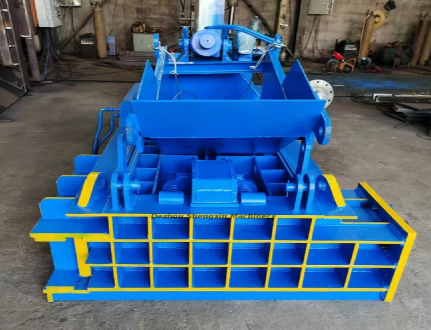
Using a scrap metal baler brings many advantages to recycling operations. These machines compress loose scrap metal into dense, manageable bales, which helps improve efficiency across the board. Let’s explore the key benefits:
Storage Space Optimization
Baling scrap metal cuts down on the space needed to store materials. Loose scrap takes up a lot of room and can clutter your yard or facility. Once compressed into bales, scrap volume shrinks significantly—often by up to 30%. This means you can store more material in the same area, reducing the need for costly facility expansions. Stacked bales also create a tidier work environment, making it easier to organize and track inventory.
Reduced Transportation Costs
Transporting loose scrap is inefficient because it’s bulky and light, so trucks carry less metal per trip. Baled scrap is dense and compact, allowing trucks to haul more weight while staying within legal limits. This reduces the number of trips, saving on fuel and labor costs. Studies show balers can cut transportation expenses by up to 20%. Plus, uniform bale sizes speed up loading and unloading, further lowering labor and turnaround time.
Higher Market Value
Baled scrap usually sells for more than loose scrap. Processors prefer bales because they are easier to handle and process, which cuts their costs. Dense, uniform bales also contain less contamination and provide consistent melting performance. This quality boost can increase scrap prices by 10-20%, improving your profit margins. Properly baled scrap signals professionalism and quality to buyers, helping you build stronger business relationships.
Enhanced Workplace Safety
Loose scrap metal poses safety risks: sharp edges can cause cuts, unstable piles may collapse, and scattered debris creates trip hazards. Baling confines these risks by compacting scrap into neat blocks. Operators can move bales safely with forklifts or cranes, reducing injury chances. A safer worksite means fewer accidents, lower insurance premiums, and better compliance with safety regulations.
Conclusion
Understanding feedstock, density, and power requirements is essential when sizing a scrap metal baler. Different metals need varying compression forces, chamber sizes, and cycle times. Hydraulic power systems play a crucial role in efficiency and cost savings. Selecting the right baler involves considering material type, volume, and future growth. Using a baler optimizes storage, reduces transportation costs, and enhances safety. Shengxin offers high-quality balers that ensure efficiency and profitability in recycling operations.
FAQ
Q: What is a metal baler machine used for?
A: A metal baler machine compresses scrap metal into dense bales for easier storage, transportation, and processing.
Q: How do I choose the right metal baler machine for my feedstock?
A: Consider your feedstock type, required compression force, chamber size, and bale density when selecting a metal baler machine.
Q: Why is bale density important in a metal baler machine?
A: Bale density affects storage space, transportation costs, and market value, making it crucial for efficient operations.
Q: What are the power requirements for a metal baler machine?
A: Power requirements depend on the baler's hydraulic system, with motor sizes ranging from 15 kW to over 90 kW.


