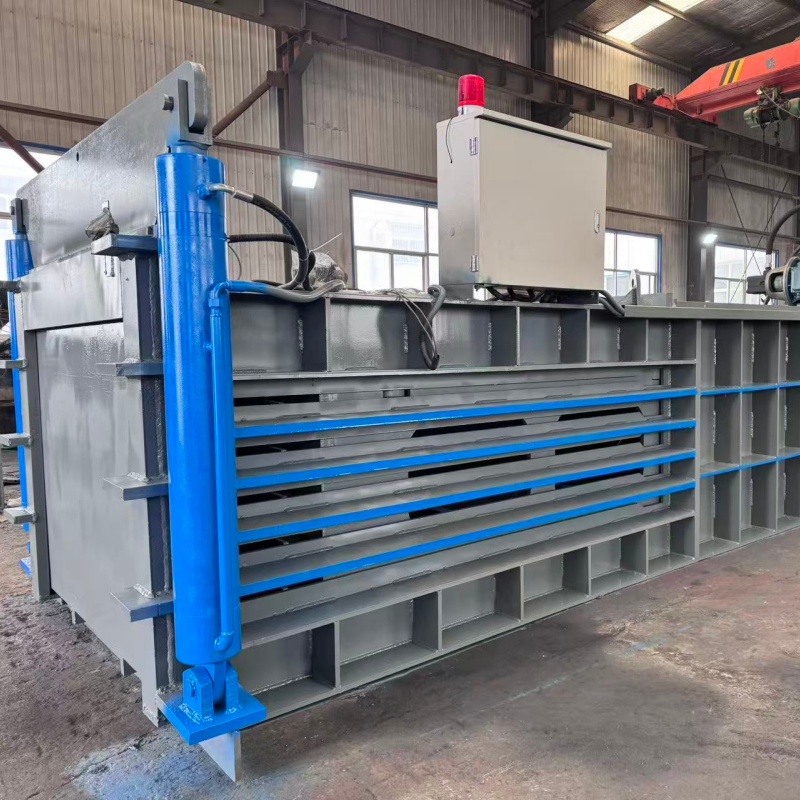
Have you ever wondered how scrap metal is transformed into compact bales? Metal baler machines are the answer. These powerful machines play a crucial role in the circular economy, efficiently compressing metal for recycling. In this post, you'll learn about their significance in sustainability and how they support resource reuse and waste reduction.
Understanding Metal Baler Machines
How Metal Baler Machines Work
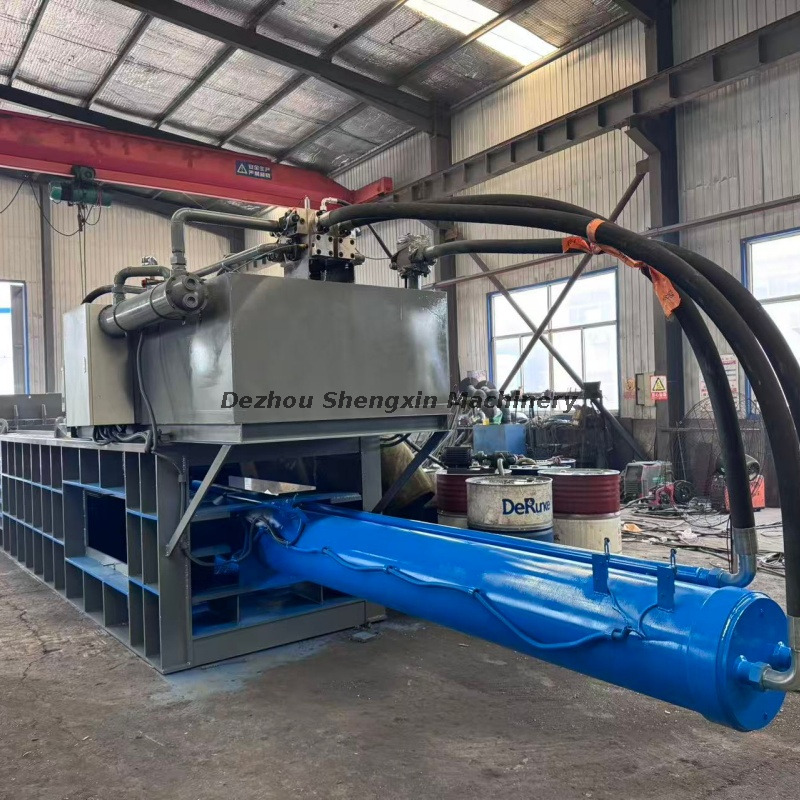
Metal balers compress scrap metal into dense, manageable bales. They use powerful hydraulic rams that apply immense pressure to metal pieces inside a chamber. This pressure reduces the metal’s volume, making it easier to store, transport, and recycle. Operators load scrap metal into the feeding hopper, either manually or with conveyors. The hydraulic system powers cylinders that push or press the metal tightly into a compact shape. Some balers also include shearing blades to cut large pieces before compression. Once compressed, the bale is tied with wire or straps and ejected from the machine for storage or transport. This process can reduce the volume of scrap metal by up to 90%, significantly saving space and cutting transport costs.
Key Components of a Metal Baler Machine
Main Frame and Housing: The sturdy steel structure supports all other parts and withstands high pressure during compression.
Hydraulic System: Includes pumps, cylinders, valves, and pipes that generate and control the force needed for baling.
Feeding Hopper: The entry point where scrap metal is loaded into the machine.
Compression Chamber: The area where metal is compacted under pressure.
Baling Chamber and Bale Ejector: Shapes the compressed metal into bales and pushes finished bales out.
Shearing Blades: Cut oversized scrap into smaller pieces before baling, found in some models.
Binding Mechanism: Ties the bale securely using wire, straps, or bands.
Control Panel: Allows operators to control the machine and monitor its performance.
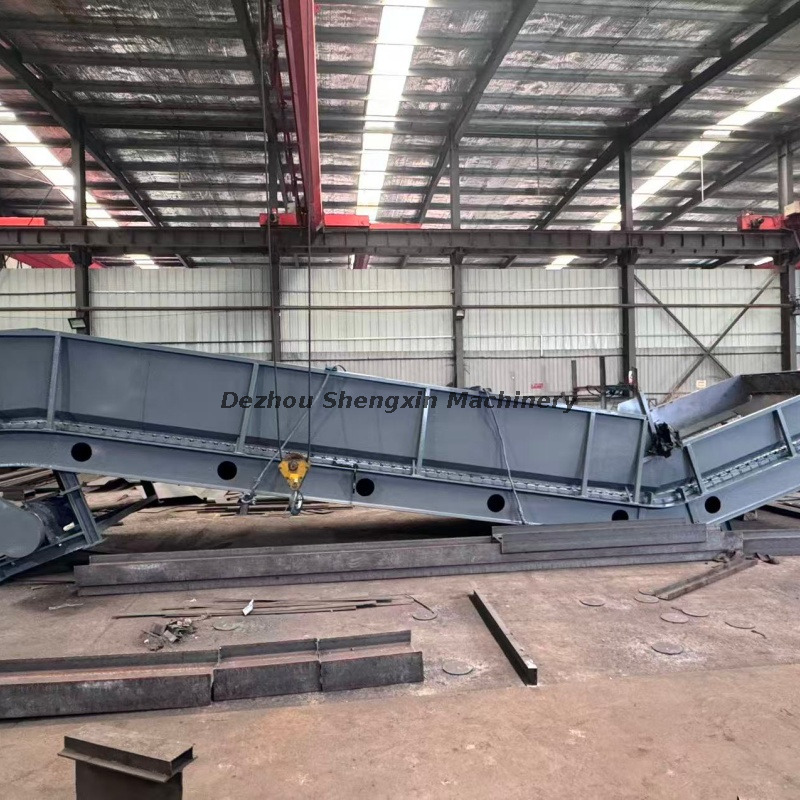
Conveyor Systems: Automate feeding and removal of materials, enhancing efficiency.
Safety Features: Include emergency stops, guards, and interlocks to protect operators.
Types of Metal Baler Machines
| Type | Description | Best For |
| Horizontal Balers | Compress metal horizontally; handle large volumes; often fully automated. | Large recycling centers, factories |
| Vertical Balers | Compress metal vertically; compact footprint; simpler operation. | Small to medium facilities |
| Shear Balers | Combine cutting and baling; ideal for large or irregular scrap like vehicles or construction debris. | Heavy-duty scrap processing |
| Mobile Balers | Portable; used on-site at construction or demolition locations. | Remote or temporary sites |
| Closed-Door Balers | Enclosed chamber for high-density bales; precise compression control. | Valuable metals requiring uniform bales |
Each type offers unique benefits. Horizontal balers excel in high-volume operations, while vertical balers suit smaller spaces. Shear balers cut and compact scrap simultaneously, improving efficiency. Mobile balers reduce transportation costs by baling scrap on-site. Closed-door balers produce denser, more uniform bales, ideal for metals like copper and steel.
Benefits of Using Metal Baler Machines
Space and Cost Efficiency
Metal baler machines dramatically reduce the volume of scrap metal by compressing it into dense, uniform bales. This compaction can decrease the space needed for storage by up to 90%. When scrap takes less space, businesses can store more material in the same area, avoiding costly facility expansions. Additionally, dense bales optimize transportation. Trucks can carry more metal per trip, lowering fuel and labor expenses. Fewer trips mean less wear on vehicles and reduced logistics costs. Compressing scrap also simplifies handling and stacking, speeding up loading and unloading processes, which further cuts operational costs.
Environmental Advantages
Using metal balers supports environmental sustainability in several ways. First, compact bales reduce the number of transport trips, which lowers greenhouse gas emissions from trucks. Second, baling scrap metal makes recycling more efficient, as dense bales melt faster and cleaner in furnaces. This results in energy savings and less pollution during metal processing. Recycling metal also conserves natural resources by reducing the need for mining virgin ores, which often causes habitat destruction and water pollution. By facilitating better recycling, metal balers help businesses reduce their carbon footprint and contribute to a circular economy focused on resource reuse and waste minimization.
Enhancing Safety and Operational Efficiency
Handling loose scrap metal can be dangerous due to sharp edges, irregular shapes, and unstable piles. Metal balers improve workplace safety by containing scrap within compact, stable bales. This reduces risks of cuts, trips, and falls. Moreover, uniform bales are easier to move using forklifts or cranes, lowering manual labor demands and injury chances. Operational efficiency also improves because balers organize scrap into consistent sizes and weights, simplifying inventory management and processing workflows. Automated features in modern balers, like automatic tying and bale ejection, reduce manual intervention, speeding up production and minimizing downtime. Overall, balers create safer, more productive recycling and manufacturing environments.
Applications of Metal Baler Machines
Metal baler machines play a vital role across many industries by transforming loose scrap metal into compact, manageable bales. This compaction simplifies storage, transport, and recycling, making metal balers indispensable tools in various settings. Let’s explore key applications where metal balers make a significant impact.
Industrial and Manufacturing Uses
In industrial and manufacturing plants, large volumes of metal scrap are generated daily. Metal balers help these facilities manage waste efficiently by compressing leftover metal pieces, trimmings, and defective parts into dense bales. This reduces clutter on the shop floor and optimizes storage space. For example, automotive manufacturers use balers to compact steel scrap from stamping processes, while electronics manufacturers bale copper and aluminum waste. The compaction lowers handling costs and streamlines recycling workflows, improving overall operational efficiency.
Recycling Centers and Waste Management
Recycling centers depend heavily on metal balers to process scrap metal before resale or further processing. Balers enable these centers to handle large quantities of diverse metals, including steel, aluminum, and copper. By creating uniform bales, recycling facilities can store more material in less space and transport it more economically. Additionally, baled scrap melts more efficiently in furnaces, saving energy and reducing emissions during recycling. Modern recycling centers often use horizontal balers with automation features to maintain high throughput and consistent bale quality.
Construction and Demolition Sites
Construction and demolition sites generate vast amounts of scrap metal like steel beams, pipes, and rebar. Mobile metal balers are especially useful here, allowing on-site baling of scrap before transport. This reduces the volume of material leaving the site, cutting hauling costs and minimizing environmental impact. Shear balers, which combine cutting and baling, are also common in demolition projects to handle large, irregular metal pieces efficiently. By baling scrap metal directly at the source, contractors improve logistics and support sustainable construction practices.
Selecting the Right Metal Baler Machine
Choosing the right metal baler ensures your recycling or manufacturing process runs smoothly and efficiently. Several factors come into play, helping you find the perfect match for your needs.
Factors to Consider
Type of Scrap Metal: Different metals require different balers. Ferrous metals like steel often need stronger compression, while non-ferrous metals like aluminum may need less force but more delicate handling.
Volume of Scrap: High volumes call for balers with faster cycle times and larger capacity, such as horizontal or fully automatic balers. Smaller operations might do better with vertical or mobile balers.
Bale Size and Density: Consider the size and weight of bales you need. Dense, uniform bales reduce transport costs and improve furnace efficiency. Some balers offer adjustable bale sizes to fit your storage or shipping needs.
Available Space: Your facility’s footprint limits your options. Vertical balers save floor space but have lower throughput. Horizontal balers require more room but handle larger volumes.
Automation Level: Automated features like conveyor feeding, automatic tying, and bale ejection reduce labor and speed up production. Assess your workforce and budget to decide how much automation you need.
Material Handling: Look for balers that can handle your specific scrap type and shape. Shear balers are great for cutting bulky or irregular scrap before baling.
Safety Features: Ensure the baler includes safety interlocks, emergency stops, and protective guards to keep your operators safe.
Customizing for Specific Needs
Many manufacturers offer customization options to tailor balers to your unique requirements:
Reinforced Chambers: For heavy-duty scrap, reinforced compression chambers extend machine life.
Specialized Feeding Systems: Conveyor belts, hoppers, or robotic feeders can be added for continuous operation.
Adjustable Bale Sizes: Custom bale dimensions help optimize storage and transport.
Integration with Automation: Connect balers to sorting or processing lines for seamless workflow.
Environmental Features: Energy-efficient hydraulic systems and eco-friendly materials align with sustainability goals.
Budget and Cost Considerations
Initial Investment: Higher upfront costs often mean better durability, automation, and efficiency.
Operating Costs: Consider energy consumption, maintenance, and labor expenses over the machine’s lifespan.
Return on Investment (ROI): Efficient balers reduce transport costs, increase scrap value, and improve workplace safety, leading to long-term savings.
Financing and Support: Check for warranties, service plans, and manufacturer support to minimize downtime and repair costs.
Maintenance and Longevity of Metal Baler Machines
Routine Maintenance Practices
Keeping your metal baler in top shape means regular care and attention. Start each day with a quick inspection. Check for hydraulic fluid leaks, worn hoses, or loose fittings. Make sure the feeding hopper and compression chamber are free from debris. Clean these areas to prevent blockages that could slow down operations.
Lubricate moving parts like bearings, joints, and gears regularly. This reduces friction and wear, helping the machine run smoothly. For shear balers, keep blades sharp and replace them when dull. Dull blades make baling harder and can damage the machine.
Hydraulic fluid levels need monitoring. Low fluid causes poor compression and can harm the hydraulic pump. Change hydraulic oil as recommended by the manufacturer to avoid contamination. Clean or replace oil filters often to keep the system healthy.
Electrical components deserve attention too. Inspect wiring and control panels for frayed wires or loose connections. Fix any issues immediately to avoid malfunctions or safety hazards.
Common Issues and Troubleshooting
Even well-maintained balers can face problems. Slow or uneven compression often points to hydraulic issues. Check fluid levels, look for leaks, and examine seals. Replace worn parts promptly.
If bales come out misshapen or loose, the compression chamber might be damaged or misaligned. Inspect the chamber walls and wear plates for cracks or excessive wear. Realign or replace parts as needed.
Mechanical noises or jams can signal worn gears or bearings. Regular lubrication helps, but if noise persists, have a technician inspect the machine. Sometimes, debris stuck in the baler causes jams—clean thoroughly to prevent this.
Electrical glitches, like unresponsive control panels or erratic operation, often stem from wiring problems or sensor failures. Use a diagnostic tool or call a professional to troubleshoot complex issues.
Extending the Lifespan of Your Machine
Proper maintenance extends your baler’s life and saves money. Follow the manufacturer’s service schedule strictly. Replace parts before they fail to avoid costly downtime.
Train your staff on correct operation and safety protocols. Misuse causes unnecessary wear and accidents. Use only recommended hydraulic fluids, lubricants, and replacement parts to keep the system running efficiently.
Schedule annual professional servicing. Experts can spot hidden problems and perform deep maintenance tasks like hydraulic pressure testing or electrical system checks.
Store the machine in a clean, dry environment when not in use. Protect it from moisture and dust, which can corrode components and cause malfunctions.
By investing time and effort into maintenance, you ensure your metal baler stays reliable, efficient, and safe for years.
Future Trends in Metal Baler Technology
Automation and Smart Features
The future of metal baler machines lies heavily in automation and smart technology. These machines are becoming more user-friendly and efficient thanks to advanced sensors, programmable controls, and Internet of Things (IoT) connectivity. IoT-enabled balers can send real-time data on performance, maintenance needs, and operational status to managers remotely. This helps prevent unexpected breakdowns and reduces downtime through predictive maintenance.
Fully automated balers now handle everything from feeding scrap metal to tying and ejecting bales without much human intervention. Smart diagnostics detect mechanical issues early, so repairs can be scheduled proactively. These features boost productivity, especially in large recycling centers or manufacturing plants that process high volumes of scrap metal.
Sustainability Innovations
Sustainability is a driving force behind new metal baler designs. Manufacturers focus on energy-efficient hydraulic systems that consume less power but maintain strong compression force. This reduces operational costs and environmental impact simultaneously.
Eco-friendly tying materials, such as biodegradable wires or recyclable straps, are gaining popularity to minimize waste. Some balers are also adapted to process renewable resource waste like biomass or compostable packaging, expanding their role in circular economy practices.
Design improvements aim at reducing noise and emissions during operation, making balers more environmentally friendly and suitable for urban or indoor use. These innovations help businesses meet stricter environmental regulations and align with global sustainability goals.
Integration with Advanced Recycling Systems
Metal balers are becoming integral components of sophisticated recycling lines. They now integrate seamlessly with automated sorting systems, conveyor belts, and robotic feeders. This connectivity streamlines workflows and reduces manual labor.
Some balers incorporate sensors that identify metal types or contamination levels, ensuring better quality bales and higher recycling value. On-site baling innovations, such as compact or mobile balers, reduce transportation needs by processing scrap metal directly where it’s generated.
Advanced recycling systems using smart balers improve material recovery rates and overall efficiency. This integration supports the circular economy by optimizing metal reuse and minimizing waste.
Conclusion
Metal baler machines significantly enhance scrap metal management by compressing it into dense bales, optimizing storage and transport. Their role in the circular economy is vital, aiding efficient recycling and reducing environmental impact. Investing in sustainable practices, like using advanced balers, aligns with eco-friendly goals. Companies like Shengxin offer innovative baler solutions, providing value through energy-efficient designs and smart features. Embracing these technologies supports resource conservation and operational efficiency.
FAQ
Q: What is a metal baler machine?
A: A metal baler machine compresses scrap metal into dense bales for easier storage, transport, and recycling.
Q: How does a metal baler machine work?
A: It uses hydraulic rams to apply pressure, compressing metal into compact bales, sometimes with shearing blades for cutting.
Q: Why are metal baler machines important in a circular economy?
A: They enhance recycling efficiency, reduce transport costs, and minimize environmental impact by compacting scrap metal.
Q: What are the benefits of using a metal baler machine?
A: Benefits include space savings, reduced transport costs, improved safety, and environmental sustainability.


