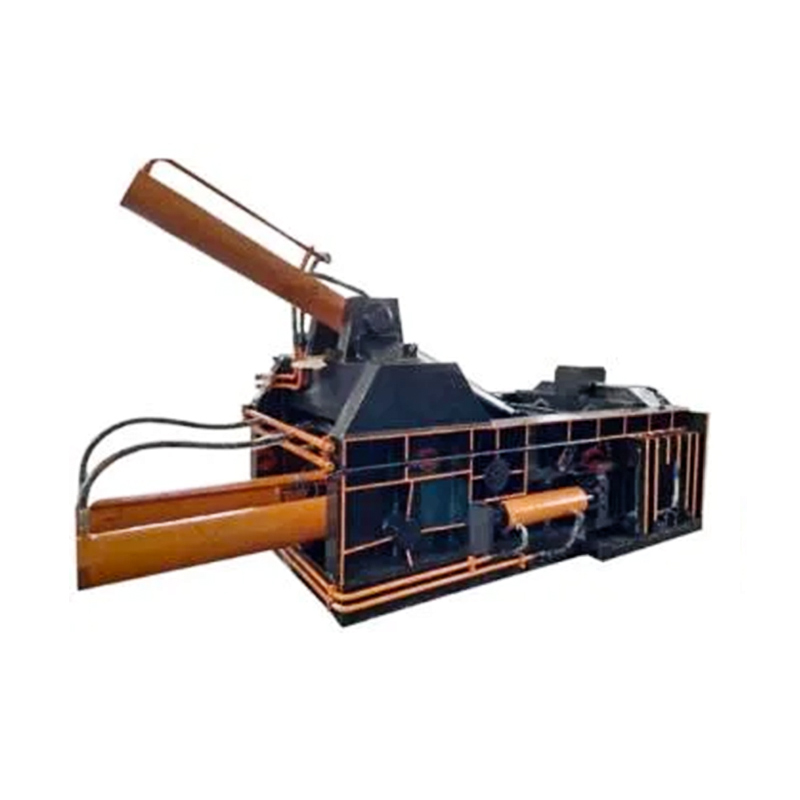
Ever wonder how scrap metal transforms into compact bales? Meet the metal baler machine, a key player in recycling. These machines compress metal waste, making storage and transport efficient. In this post, you'll learn how metal balers work and their vital role in recycling and waste management.
How Does a Metal Baler Work?
Overview of the Baling Process
A metal baler works by transforming bulky scrap metal into compact, dense bales. This process reduces the volume of metal waste, making it easier to store, transport, and recycle. The baling process typically starts by feeding loose scrap metal into the baler’s chamber. Once inside, the metal is compressed under intense pressure until it forms a solid block or bale. This bale is then ejected from the machine, ready for handling or shipment.
The main goal is to create bales that are uniform in size and density, which improves storage efficiency and lowers transportation costs. By compressing the metal tightly, balers also ensure that the bales hold their shape during handling and shipping, preventing material loss or damage.
Hydraulic Compression Mechanism
Most metal balers use hydraulic systems to apply the necessary force for compression. Hydraulics rely on fluid pressure to move pistons or rams inside the machine. These rams press the scrap metal against the walls of the baling chamber, which are made from strong steel to withstand high pressure.
The hydraulic system usually consists of multiple cylinders working together. For example, one cylinder might push the door cover to close the chamber securely, while others compress the metal from different directions. This multi-angle compression ensures the metal is compacted evenly and tightly.
The hydraulic pressure is controlled precisely, often holding the pressure for several seconds to allow the metal to settle into a dense shape. After compression, the system retracts the rams, and the finished bale is ejected from the chamber.
Steps in the Metal Baling Process
Feeding the Material: Scrap metal is loaded into the baler’s press box, either manually or via conveyor systems.
Closing the Compression Chamber: The baler’s door cover closes, sealing the chamber to contain the metal during compression.
First Compression: Side cylinders push the metal inward, starting the compaction process.
Final Compression: The main hydraulic ram applies the highest pressure, compressing the metal into a dense bale.
Pressure Hold: The machine holds the pressure for a few seconds to ensure the bale is tightly packed.
Opening the Chamber: The door cover and cylinders retract, opening the chamber.
Ejecting the Bale: A flipping or pushing mechanism removes the compressed bale from the chamber.
Resetting the System: The baler resets to prepare for the next batch of scrap metal.
Different balers may have variations of these steps, but the core process remains consistent: feed, compress, hold, eject, and reset.
Types of Metal Baler Machines
Metal balers come in various designs to suit different needs and scrap types. Understanding their differences helps businesses choose the best machine for efficient metal recycling.
GFB-P Door Cover Metal Baler
The GFB-P features a door cover design that seals the compression chamber tightly during baling. This design enhances safety by preventing scrap from escaping and ensures uniform pressure from all sides. It uses multiple hydraulic cylinders to compress metal from three angles—side cylinders, main cylinder, and door cover cylinder—creating dense, rectangular bales. This baler suits scrap yards and metal processing plants that require consistent high-density bales and safe operations.
Key Features:
Secure door cover for safe compression
Multi-directional hydraulic compression
Handles ferrous and non-ferrous metals
Produces compact, transport-friendly bales
GFB-C Continuous Metal Baler
The GFB-C is built for high-volume operations. Unlike batch balers, it has a continuous feed system that keeps scrap metal flowing without stopping between cycles. A conveyor feeds material into the chamber automatically. It compresses scrap with hydraulic cylinders and ejects bales continuously. This design boosts throughput, reduces labor, and is perfect for recycling centers or manufacturing plants processing large scrap volumes.
Key Features:
Continuous feeding and baling
High throughput with minimal downtime
Hydraulic compression with liquid removal capability
Automated integration into production lines
Vertical vs. Horizontal Balers
Vertical balers compress scrap from top to bottom. They are smaller, take up less floor space, and are ideal for light to medium scrap volumes. Vertical balers often suit smaller businesses or those with limited space.
Horizontal balers compress scrap sideways and generally handle larger volumes. They can be integrated with conveyors and feeders for automated, continuous operation. Horizontal balers produce larger, denser bales and are common in industrial recycling and manufacturing.
| Feature | Vertical Balers | Horizontal Balers |
| Compression Direction | Vertical (top-down) | Horizontal (sideways) |
| Size | Compact, smaller footprint | Larger, more floor space |
| Volume Capacity | Low to medium | Medium to high |
| Automation | Usually manual or semi-auto | Often fully automated |
| Bale Size | Smaller, lighter bales | Larger, denser bales |
Two-ram and Open-end Balers
Two-ram balers use two hydraulic rams to compress scrap metal from different directions. One ram typically pushes the scrap while the other compresses it sideways. This allows for larger feed openings and denser bales. Two-ram balers are ideal for bulky or elastic scrap metals like car bodies or appliances.
Open-end balers have an open feeding end, enabling continuous loading. They are designed for high throughput and can handle a variety of scrap types. These balers often work well in large recycling yards where scrap is loaded by cranes or loaders.
Note: Selecting the right metal baler depends on scrap type, volume, space availability, and operational goals. Understanding these baler types helps optimize recycling efficiency and cost savings.
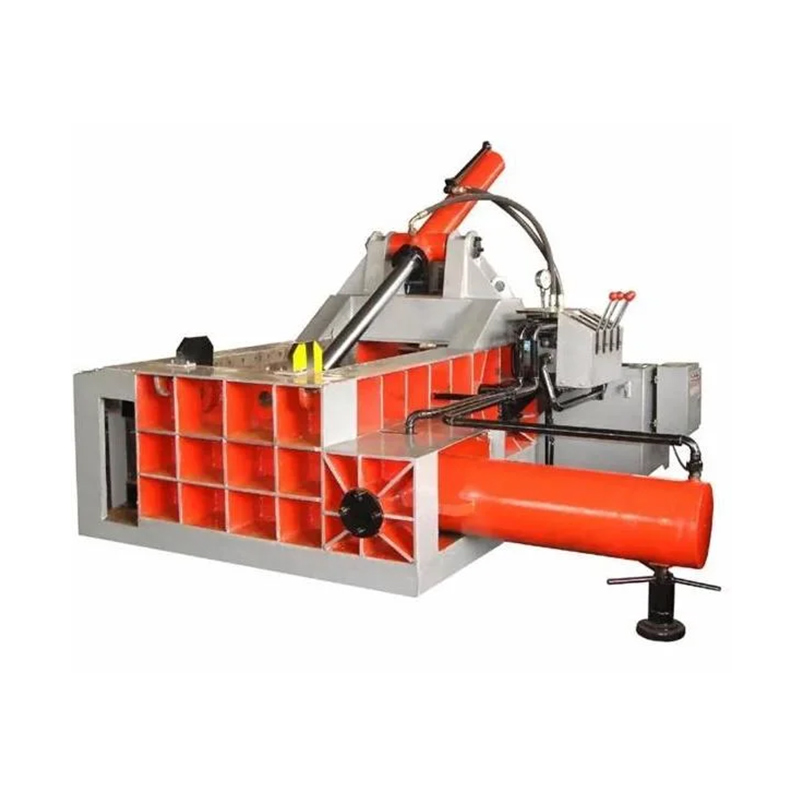
Key Features and Benefits of Metal Balers
Metal balers are engineered to deliver powerful performance and operational advantages. Their key features directly translate into benefits that improve productivity, safety, and cost-effectiveness in metal recycling and waste management.
High Compression Density
One of the most important features of metal balers is their ability to compress scrap metal into dense, compact bales. This high compression density reduces the volume of scrap metal by up to 90%, making storage and transportation more efficient. Dense bales take up less space, allowing businesses to store more material in the same area and load trucks or containers to their maximum capacity. This results in fewer trips and lower shipping costs.
The hydraulic systems generate immense pressure, often exceeding several tons, to ensure the metal particles are tightly packed. This compression also helps the bales maintain their shape during handling, reducing the risk of breakage or material loss.
Safety and Control Features
Modern metal balers come equipped with advanced safety mechanisms to protect operators and maintain smooth operations. Features such as door interlocks prevent the machine from operating when access doors are open. Emergency stop buttons and safety guards are standard to quickly halt the machine in case of any hazard.
Control systems often include programmable logic controllers (PLCs) that monitor the baling cycle and hydraulic pressures. These controls ensure consistent bale quality and prevent overloading or mechanical faults. Some models offer remote monitoring and diagnostics, enabling operators to oversee performance and maintenance needs from a distance.
Versatility in Handling Different Metals
Metal balers can process a wide range of metals, including ferrous metals like steel and iron, and non-ferrous metals such as aluminum and copper. This versatility allows businesses to handle diverse scrap streams without needing multiple machines.
Different baler designs, such as two-ram or door cover balers, accommodate varying scrap shapes and sizes—from shredded metal pieces to bulky automotive parts. This adaptability improves operational flexibility and maximizes recycling value.
Cost Savings and Efficiency
By compacting scrap metal into uniform bales, metal balers help reduce labor, storage, and transportation costs. Handling bales is faster and easier than loose scrap, cutting down on loading and unloading times.
The reduction in volume means fewer shipments, lowering fuel consumption and emissions. This efficiency translates into significant operational savings over time.
Additionally, dense bales fetch better prices at recycling centers, as they are easier to process and handle. The improved bale quality also minimizes contamination, protecting the value of recycled materials.
Applications of Metal Baler Machines
Metal baler machines play vital roles across several industries by efficiently managing scrap metal and waste. Their ability to compress bulky metal into dense, manageable bales makes them indispensable in recycling, manufacturing, and construction sectors.
Use in Recycling Centers
Recycling centers depend heavily on metal balers to streamline scrap handling. These facilities receive large volumes of mixed metal waste, including aluminum cans, steel scraps, and copper wires. Metal balers help by:
Compacting loose scrap into uniform bales, reducing storage space.
Simplifying transportation to smelters or secondary processing plants.
Enhancing sorting efficiency by producing consistent bale sizes.
By using balers, recycling centers improve operational flow, reduce labor costs, and increase throughput. For example, continuous feed balers like the GFB-C allow nonstop processing, ideal for high-volume recycling operations.
Role in Automotive Manufacturing
Automotive plants generate substantial scrap metal, from stamping offcuts to damaged parts. Metal balers help these plants by:
Compressing scrap metal onsite, reducing clutter and hazards.
Creating dense bales that are easier to transport to recycling vendors.
Supporting sustainability goals by promoting efficient metal reuse.
Two-ram balers are often preferred here because they handle bulky, irregular scrap such as car bodies or chassis parts. This ensures that even large, elastic metal pieces are compacted effectively, saving space and cutting waste disposal costs.
Importance in Construction Industry
Construction and demolition sites produce diverse metal waste, including steel beams, pipes, and rebar. Metal balers assist by:
Reducing bulky scrap metal volume for easier onsite storage.
Facilitating safer handling and transport of heavy metal bales.
Enabling quicker cleanup, improving site safety and productivity.
Vertical balers are often used on smaller construction sites due to their compact size and ease of operation, while larger horizontal balers suit bigger projects with higher scrap volumes.
Factors to Consider When Choosing a Metal Baler
Selecting the right metal baler is key to optimizing your recycling or waste management operations. Several factors influence which machine suits your needs best. Understanding these considerations helps ensure you get a baler that matches your material type, volume, and budget.
Capacity and Size Requirements
First, assess how much scrap metal you generate regularly. Balers come in different sizes and capacities, so choose one that can handle your volume without frequent overloading or downtime. For small to medium volumes, vertical balers might suffice. Larger operations often require horizontal or continuous feed balers to maintain steady throughput.
Also, consider the physical space available at your facility. Vertical balers occupy less floor space and are easier to fit into tight areas. Horizontal balers, while larger, offer higher capacity and automation options but need more room. Measure your workspace carefully and think about future expansion plans.
Type of Waste Material
The kind of metal scrap you process greatly affects your choice. Different metals and scrap shapes require different baler designs:
Ferrous metals (steel, iron) are dense and often need powerful hydraulic systems for compression.
Non-ferrous metals (aluminum, copper) may be lighter but still require effective compaction to reduce volume.
Bulky or elastic scrap like car bodies or appliances benefit from two-ram balers, which compress from multiple directions.
Mixed scrap streams might call for balers with versatile feeding and compression mechanisms.
Knowing your scrap’s characteristics helps you pick a baler that can handle it efficiently, avoiding jams or incomplete compression.
Available Features and Budget Constraints
Modern metal balers offer various features that enhance safety, automation, and efficiency. Some features to consider:
Automatic feeding systems reduce manual labor and improve throughput.
Safety interlocks and emergency stops protect operators.
Remote monitoring and diagnostics enable proactive maintenance.
Liquid removal systems help create cleaner, denser bales when processing metals with moisture content.
While these features add value, they also increase upfront costs. Balance your budget against the operational benefits these features bring. Sometimes investing more initially pays off through lower labor costs and higher productivity.
Common Questions About Metal Balers
How Does Moisture Content Affect Baling?
Moisture in scrap metal can impact the baling process in several ways. When metal scrap contains water or other liquids, it adds weight without adding value. This means you might pay to transport water rather than metal, increasing shipping costs unnecessarily. Moisture can also cause the metal to stick together or rust, which may reduce bale quality and make handling more difficult. Additionally, excess moisture sometimes interferes with the hydraulic system or tying mechanisms, leading to jams or maintenance issues. To avoid these problems, it’s best to keep scrap metal as dry as possible before baling.
What Are the Maintenance Requirements?
Regular maintenance is essential to keep a metal baler running smoothly and efficiently. Key maintenance tasks include:
Checking hydraulic oil levels and quality to ensure proper pressure and lubrication.
Inspecting hoses, cylinders, and seals for leaks or wear.
Cleaning the compression chamber and removing any stuck debris.
Examining the electrical control system and sensors for faults.
Lubricating moving parts to reduce friction and wear.
Testing safety features such as emergency stops and door interlocks.
Performing daily visual inspections and scheduled maintenance helps prevent unexpected downtime and extends the machine’s lifespan. Following the manufacturer’s maintenance schedule and using recommended parts is crucial for reliable operation.
How to Ensure Optimal Performance?
To get the best performance from your metal baler, consider these tips:
Feed scrap metal evenly and avoid overloading the chamber to prevent jams.
Use the correct baler type for your scrap material to achieve maximum compression.
Adjust hydraulic pressure settings based on the metal type and bale size.
Keep the machine clean and free of debris that could obstruct moving parts.
Train operators on safe and proper use, including how to handle different scrap types.
Monitor bale density and quality regularly to detect any decline in performance.
Schedule routine maintenance and promptly address any mechanical or electrical issues.
By following these practices, you ensure consistent bale quality, reduce downtime, and improve overall efficiency in your metal recycling operations.
Conclusion
Metal balers are essential in transforming bulky scrap into dense bales, enhancing storage and transport efficiency. They employ hydraulic compression to achieve high-density bales, reducing waste volume by up to 90%. With advancements in safety, automation, and versatility, metal balers continue to play a critical role in recycling and waste management. Companies like Shengxin offer innovative metal balers that maximize recycling efficiency and cost savings, contributing to sustainable practices in various industries.
FAQ
Q: What is a metal baler machine?
A: A metal baler machine compresses scrap metal into dense bales, making it easier to store, transport, and recycle efficiently.
Q: How does a metal baler machine work?
A: The machine compresses scrap metal using hydraulic pressure, forming compact bales that maintain their shape during handling and shipping.
Q: Why use a metal baler machine?
A: Using a metal baler machine reduces scrap volume, lowers transportation costs, and improves recycling efficiency.
Q: What are the benefits of a metal baler machine?
A: Benefits include high compression density, safety features, versatility in handling different metals, and cost savings in storage and transport.
Q: How to maintain a metal baler machine?
A: Regular maintenance involves checking hydraulic oil, inspecting components for wear, cleaning the chamber, and testing safety features.


