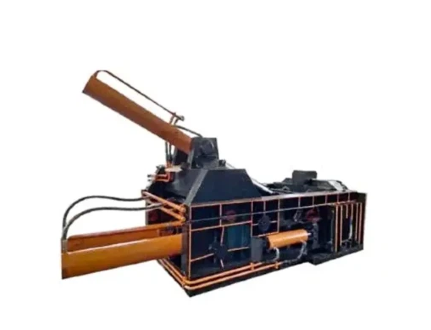
Industrial operations generate a wide variety of waste materials, among which scrap metal is a significant contributor. From manufacturing plants to construction sites, the accumulation of metal waste poses environmental, economic, and operational challenges. A scrap metal baler is an industrial machine designed to compress and compact scrap metal into manageable, transportable bales. While their primary function is operational efficiency, scrap metal balers also provide substantial environmental benefits.
Understanding Scrap Metal Balers
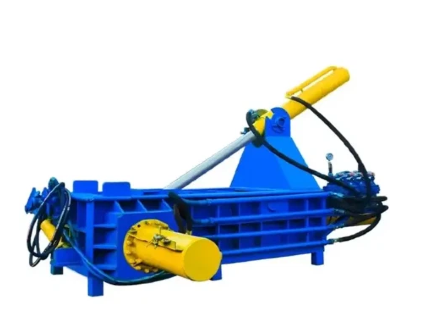
A scrap metal baler is a machine used to compress scrap metal into dense, uniform bales, reducing their volume significantly. By compacting scrap, these machines make storage, transportation, and recycling more efficient. Modern scrap metal balers come in various designs and capacities, suitable for different industrial applications—from small workshops to large-scale manufacturing facilities.
Key components of a scrap metal baler include:
Hydraulic System: Provides the force necessary to compress metal effectively.
Compaction Chamber: Where scrap metal is placed for compression.
Control System: Ensures safe and precise operation, allowing operators to manage bale size and density.
Ejection Mechanism: Facilitates removal of finished bales for storage or transport.
The efficiency of scrap metal balers not only improves workflow but also has a direct impact on environmental sustainability.
Reducing Waste and Landfill Dependence
One of the most immediate and visible environmental benefits of scrap metal balers is their ability to significantly reduce the volume of industrial metal waste. Industrial facilities—including manufacturing plants, automotive workshops, and metal fabrication centers—often generate large quantities of scrap metal. If left unmanaged, this scrap can occupy substantial space in landfills, contributing to environmental degradation and potential soil contamination.
By compressing scrap metal into dense, uniform bales, facilities can achieve several key benefits:
Landfill Space is Conserved: Compacted bales occupy significantly less space compared to loose or unprocessed scrap metal. For example, a single ton of aluminum scrap, when baled, can occupy up to 80% less volume than loose scrap. This reduction allows industrial facilities to minimize the amount of waste sent to landfills and make more efficient use of existing storage areas.
Waste Management Becomes Easier: Smaller, uniform bales simplify the handling, storage, and transportation of scrap metal. Warehouse operators can stack bales efficiently, organize materials by type, and prepare them for recycling or resale without excessive labor or logistical challenges. This level of organization also reduces the risk of workplace accidents caused by scattered or unstable scrap piles.
Environmental Footprint is Reduced: Reducing the volume of waste sent to landfills lowers land degradation and decreases the risk of soil contamination from metal leachate. Metals such as lead, copper, and zinc, if improperly disposed of, can leach into surrounding soil and groundwater. By diverting these materials into recycling streams, industrial operations can maintain a cleaner and safer environment while contributing to broader sustainability goals.
By effectively managing scrap metal through baling, companies adopt more sustainable waste management practices, conserving landfill space and reducing environmental liabilities.
Facilitating Metal Recycling
Recycling scrap metal is a cornerstone of industrial sustainability, and scrap metal balers play a pivotal role in enhancing efficiency throughout the recycling process.
Improved Transportation Efficiency: Compact, dense bales reduce the number of transport trips required to move scrap metal from facilities to recycling plants. This not only lowers fuel consumption but also decreases greenhouse gas emissions associated with logistics. For instance, transporting baled steel instead of loose scrap can reduce transportation costs by 25-30% while cutting carbon emissions per ton of metal.
Easier Handling for Recycling Facilities: Uniform bales simplify the sorting, melting, and repurposing of scrap metal into new products. Recycling plants can process standardized bales more quickly, reducing labor and operational costs. In addition, neatly baled scrap reduces the likelihood of material being lost or damaged during transit, ensuring that more metal reaches recycling facilities intact.
Higher Recovery Rates: By consolidating scrap into organized bales, industries minimize material loss during handling and storage. This contributes to higher overall recycling rates, which is critical in the context of finite natural resources. Metals such as steel, aluminum, and copper are highly recyclable, and maintaining their integrity through efficient baling ensures that the maximum possible amount of material re-enters the production cycle.
Recycling metal from scrap significantly conserves natural resources. For example, recycling aluminum consumes up to 95% less energy compared to producing primary aluminum from raw ore, while recycling steel saves roughly 60-70% of the energy required for virgin steel production. Efficient baling directly supports these energy-saving outcomes by streamlining the preparation and transportation of recyclable metals.
Energy Conservation
While the energy savings associated with scrap metal balers are often indirect, they are substantial when considered across industrial operations:
Reduced Transportation Energy: Compact bales allow more material to be transported per trip, lowering fuel usage and reducing associated carbon emissions. This is particularly impactful for facilities shipping scrap to distant recycling plants.
Less Energy in Recycling Processes: Densely packed scrap reduces handling and processing time at recycling facilities. Fewer movements, reduced sorting, and standardized bale sizes all contribute to faster processing and lower energy consumption in machinery.
Minimized Equipment Wear: Efficient baling reduces repetitive manual handling and the frequent use of forklifts or conveyor systems. This indirectly lowers the energy consumption of equipment over time and extends the life of both transport and processing machinery.
By integrating scrap metal balers into industrial operations, companies not only enhance operational efficiency but also make a measurable contribution to energy conservation efforts. Reduced fuel consumption, optimized recycling processes, and lower equipment energy usage collectively strengthen a facility’s sustainability profile while supporting corporate responsibility initiatives.
In conclusion, scrap metal balers are more than just tools for space management—they are essential instruments for reducing waste, facilitating recycling, and conserving energy. Through proper utilization, industries can minimize their environmental footprint, optimize resource use, and contribute to long-term sustainability.
Reducing Environmental Pollution
Unmanaged scrap metal can contribute to various forms of environmental pollution, including:
Soil Contamination: Metals left exposed to rain and weather can leach into soil, affecting ecosystems.
Water Pollution: Rainwater runoff from metal scrap piles can carry heavy metals into nearby water sources.
Air Pollution: Loose scrap can generate dust and particulate matter, impacting air quality.
Scrap metal balers help mitigate these issues by compacting metal into secure bales, reducing exposure to the elements, and facilitating proper storage and transportation. Properly baled scrap ensures that metal waste remains contained, reducing the risk of environmental contamination.
Economic and Operational Incentives
While the focus here is environmental benefits, it’s important to note that economic and operational improvements often align with sustainability goals:
Lower Transportation Costs: Fewer trips are required to move compacted bales, reducing fuel expenses.
Optimized Storage Space: Compressed bales occupy less space, freeing up valuable facility areas.
Higher Scrap Value: Well-organized, dense bales are often preferred by recycling facilities and can fetch better prices.
Reduced Labor Costs: Handling uniform bales is faster and safer than dealing with loose scrap metal.
These operational efficiencies indirectly support environmental initiatives by encouraging more consistent recycling and waste management practices.
Types of Scrap Metal Balers
Scrap metal balers come in various configurations to meet different industrial needs:
1. Vertical Balers
Compact and ideal for small to medium volumes of scrap metal.
Operators load material from the top, and hydraulic pressure compresses the metal downward.
Suitable for workshops, small factories, and retail scrap operations.
2. Horizontal Balers
Designed for high-volume scrap processing.
Scrap is fed horizontally, often via conveyor systems, and compressed into continuous or pre-sized bales.
Common in large industrial facilities, recycling centers, and metal fabrication plants.
3. Fully Automated Balers
Integrated with sensors, conveyors, and automatic bale ejection systems.
Require minimal human intervention.
Ideal for large-scale operations with consistent scrap metal generation.
Choosing the right baler depends on factors such as volume of scrap, type of metal, available space, and operational requirements.
Implementation Strategies for Industrial Settings
To maximize environmental benefits, industries should consider:
Segregation of Scrap Metal: Separate metals by type (steel, aluminum, copper) before baling for easier recycling.
Regular Baling Schedule: Frequent baling prevents scrap from accumulating, reducing environmental exposure.
Maintenance and Inspection: Regular maintenance ensures the baler operates efficiently, preventing malfunctions that could disrupt recycling efforts.
Training Staff: Operators should understand best practices for feeding and compacting scrap safely and effectively.
By combining technology with operational discipline, industrial facilities can achieve significant environmental gains.
Conclusion
The integration of scrap metal balers in industrial settings is more than just a logistical improvement; it is an environmentally responsible practice. By reducing landfill dependence, facilitating recycling, conserving energy, and minimizing pollution, these machines contribute significantly to industrial sustainability. Moreover, operational efficiencies and cost savings reinforce the adoption of balers as both an economic and ecological solution.
For businesses looking to enhance their metal recycling operations while promoting environmental responsibility, Dezhou Shengxin Machinery Equipment Co., Ltd. offers reliable and efficient scrap metal balers. Their expertise in manufacturing and providing industrial solutions makes them a trusted partner for facilities seeking to combine operational efficiency with sustainable practices.


