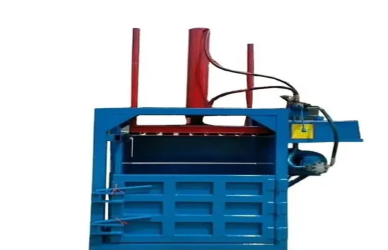
Hydraulic balers are essential machines used in industries like recycling and waste management to compress materials such as paper, plastics, metals, and textiles into compact bales. These machines are crucial for streamlining waste processing, improving storage efficiency, and supporting recycling efforts. However, like any complex machinery, hydraulic balers can experience operational issues that may affect their performance. Common problems include hydraulic system failures, jamming, worn-out parts, electrical malfunctions, and issues with the tying mechanism. Recognizing and addressing these problems promptly is essential for maintaining the efficiency and longevity of the baler, ultimately ensuring a smooth and cost-effective operation. Regular maintenance and timely troubleshooting are key to avoiding costly downtime and ensuring optimal performance.
Hydraulic System Issues
1.Low Hydraulic Fluid Levels and Leakage
One of the most common hydraulic system issues is low hydraulic fluid levels, which can cause a decrease in pressure and affect the overall performance of the baler. Low fluid levels may result from leaks in the system, often due to worn seals, damaged hoses, or loose fittings. If not addressed, these leaks can lead to inefficient operation, overheating, and eventual system failure. Regular inspection of fluid levels and the hydraulic system for leaks is essential to maintain smooth performance.
2.Pressure Problems (Too High or Too Low)
Hydraulic pressure is a crucial factor in the performance of a baler. If the pressure is too high, it can put excessive strain on components like seals, valves, and cylinders, leading to damage or premature wear. On the other hand, if the pressure is too low, the baler may not generate enough force to properly compress materials, resulting in inefficient baling. Both pressure issues can be caused by malfunctioning pressure relief valves, incorrect fluid levels, or issues with the pump. Monitoring and adjusting the pressure according to the manufacturer’s specifications is vital to avoid these problems.
3.Hydraulic Pump Failure
The hydraulic pump is the heart of the system, converting mechanical energy into hydraulic pressure. If the pump fails, the entire hydraulic system will cease to operate effectively. Symptoms of pump failure include slow movement of the ram, erratic pressure, or unusual noises. Common causes of pump failure include worn-out pump components, contamination of hydraulic fluid, or inadequate maintenance. Regular checks of the pump and hydraulic fluid quality can help identify early signs of potential issues, preventing costly repairs and downtime.
Jamming and Blockages
1.Causes of Material Jamming in the Chamber
Material jamming is a common issue in hydraulic balers, typically occurring when the materials being fed into the baling chamber do not compress evenly. This can be caused by improperly loaded material, large or rigid objects that don't fit easily into the chamber, or materials that are too thick or tough for the baler to handle. If the materials are not consistently arranged, they can get caught, causing blockages that stop the machine from operating smoothly. In some cases, the quality of the material, such as wet or sticky paper, can also contribute to clogging.
2.Issues with Feeder Mechanisms or Conveyors
Feeder mechanisms or conveyors are responsible for moving materials into the baler’s chamber. If these systems are malfunctioning, it can cause uneven feeding of materials, leading to jams. Common issues include damaged belts, faulty sensors, or misaligned rollers, which can prevent materials from entering the chamber at a consistent rate. Additionally, blockages in the feeder area due to accumulated debris or material buildup can obstruct the flow of waste.
3.Solutions to Avoid and Clear Blockages
To avoid jamming, it's important to ensure that materials are correctly sorted and evenly loaded into the chamber. Operators should avoid overloading the machine and ensure that only appropriate materials are fed into the baler. Regular maintenance and inspection of feeder mechanisms, conveyors, and the chamber can help prevent blockages caused by mechanical wear or misalignment.
Worn-out Parts and Components
1.Deterioration of Seals, Rams, and Cylinders
Over time, the constant use of a hydraulic baler leads to the natural wear and tear of essential components such as seals, rams, and hydraulic cylinders. Seals are critical for maintaining pressure within the system, and as they degrade, they can cause leaks, reducing efficiency and potentially leading to system failure. Rams and cylinders, which generate the compressive force needed to compact materials, can also wear down due to friction, exposure to high pressure, and the constant motion required for baling. Deterioration of these parts can result in slower ram movement, reduced compression force, or a complete breakdown of the hydraulic system.
2.Impact of Wearing Down of Essential Components on Machine Performance
The wearing down of seals, rams, and cylinders directly impacts the baler’s performance. Worn seals can lead to hydraulic fluid leaks, causing reduced pressure and power, which results in weaker compressive force. This can prevent the baler from fully compacting materials, reducing its overall efficiency. Worn rams and cylinders may also affect the precision and consistency of compression, leading to uneven bales and a decline in the quality of the end product. In severe cases, the failure of these components can lead to complete operational stoppages, resulting in downtime and costly repairs.
3.Regular Inspection and Part Replacement
To avoid the negative effects of worn-out components, regular inspection and maintenance are essential. Seals should be checked for signs of wear, such as cracks or leaks, and replaced promptly to maintain pressure. Hydraulic cylinders and rams should be visually inspected for signs of damage, corrosion, or excessive wear. If any components show signs of deterioration, they should be replaced to prevent further damage. Routine maintenance schedules, including lubrication and cleaning, can help extend the lifespan of these parts. Proactive replacement of worn parts ensures optimal machine performance, reduces the risk of unexpected breakdowns, and helps maintain the baler’s efficiency over time.
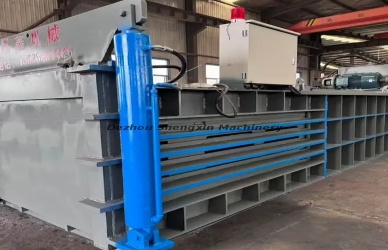
Electrical and Control System Failures
1.Malfunctions in Control Panels or Sensors
Control panels and sensors are essential for monitoring the baler’s operation. Malfunctions such as unresponsive buttons, faulty displays, or miscalibrated sensors can lead to incorrect operation, preventing proper compression or cycle completion.
2.Electrical Connections and Circuit Issues
Loose connections, damaged wires, or blown fuses can cause electrical disruptions, leading to erratic behavior or complete failure. Moisture, dust, or wear and tear can corrode electrical components, affecting the baler's power supply or automated systems.
3.Troubleshooting Steps for Electrical Problems
Check Power Supply: Ensure the baler is properly connected to a power source. Verify the circuit breakers and fuses are intact.
Inspect Control Panel and Sensors: Check for error codes or unresponsive controls. Clean and calibrate sensors or replace them if needed.
Examine Electrical Connections: Tighten loose connections and replace damaged wires.
Test the System: Power cycle the baler after repairs to check if the control panel and sensors are functioning correctly.
Seek Professional Help: If issues persist, consult a technician to address more complex electrical problems.
Overheating and Excessive Wear
1.Causes of Overheating in Hydraulic Systems
Overheating is often caused by low hydraulic fluid levels, contamination, or poor cooling. Degraded fluid loses its heat-transferring ability, while excessive use or heavy loads can generate excess heat. Blocked filters or a malfunctioning cooling system can also contribute.
2.Effects of Prolonged Use and Excessive Wear on the Baler
Continuous operation and wear can reduce the baler's performance and lifespan. Overheating damages seals, causing leaks and loss of pressure. Worn components lead to slower cycles, misalignment, and inefficient material compression, ultimately affecting overall efficiency.
3.Preventative Measures and Routine Maintenance
Check Fluid Levels: Regularly maintain proper fluid levels and replace contaminated fluid.
Clean Filters and Cooling Systems: Keep filters clean and ensure the cooling system functions properly to prevent overheating.
Limit Overuse: Avoid prolonged heavy usage, allowing the baler to cool down between cycles.
Inspect for Wear: Check seals, rams, and cylinders regularly and replace worn parts.
FAQ:
1.What causes hydraulic fluid leaks in a baler?
Hydraulic fluid leaks can occur due to worn seals, loose fittings, or damaged hoses. Regular inspection and seal replacement help prevent leaks.
2.Why does my baler keep jamming?
Jamming is often caused by improper material loading, foreign objects, or a clogged feeder mechanism. Ensuring correct material input and regular cleaning can help reduce jamming.
3.How do I know if my baler’s hydraulic pump is failing?
Signs of hydraulic pump failure include reduced pressure, slow ram movement, or unusual noises. Regular maintenance checks can help identify issues early.
4.What should I do if my baler’s tying mechanism stops working?
If the tying mechanism fails, check for tangled wire, blockages, or motor malfunctions. Cleaning, adjusting settings, or replacing worn parts can restore functionality.
Conclusion
In conclusion, hydraulic balers are essential machines for efficient waste management and recycling, but like all complex equipment, they are susceptible to common issues such as hydraulic system problems, jamming, electrical failures, worn-out components, and overheating. Regular maintenance is key to preventing these problems and ensuring smooth operation. Addressing issues such as low fluid levels, faulty sensors, or worn seals promptly can help maintain optimal performance, minimize downtime, and extend the baler’s lifespan. By implementing routine checks, timely repairs, and following proper operational practices, businesses can ensure their balers operate efficiently and remain reliable over the long term, ultimately contributing to cost savings and improved productivity.


