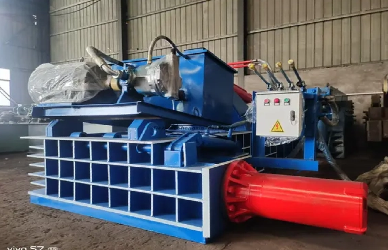
Hydraulic balers are essential machines used to compress and bundle materials into compact, manageable shapes, typically bales. These machines rely on the power of hydraulics to apply immense pressure, effectively reducing the size and volume of various materials like paper, cardboard, plastics, metals, and textiles. The core principle of a hydraulic baler involves converting mechanical force into hydraulic pressure, which allows for the efficient compression of waste and recyclables.
In industries such as recycling, waste management, and manufacturing, hydraulic balers play a pivotal role. They help streamline the process of sorting, compressing, and storing materials, contributing to more efficient waste disposal and recycling systems. In manufacturing, they enable the efficient handling of raw materials and waste products, while in recycling and waste management, they facilitate the transportation and processing of materials, reducing the environmental impact and optimizing storage space. Hydraulic balers are thus crucial for industries looking to enhance operational efficiency, reduce costs, and support sustainability goals.
The Working Principle of a Hydraulic Baler
1.Basic Hydraulic System Overview
A hydraulic baler operates using hydraulic principles, where pressurized fluid transmits force. Key components include a hydraulic pump, cylinders, valves, and fluid, all working together to compress materials.
2.Role of the Pump, Hydraulic Fluid, and Pressure in the Baling Process
The hydraulic pump generates pressure, forcing hydraulic fluid through the system. This fluid powers the hydraulic cylinders, which apply pressure to the baler’s movable ram. The fluid’s high pressure enables the baler to compress materials tightly.
3.Conversion of Mechanical Force into Hydraulic Force
Mechanical energy from the baler's motor drives the hydraulic pump. The pump converts this into hydraulic energy by pressurizing the fluid, which is then used by the cylinders to apply the required force. This conversion allows the baler to generate much greater force than mechanical systems alone.
4.How the Hydraulic System Compresses and Compacts Materials
The hydraulic fluid forces pistons within the cylinders, moving a ram or platen that compresses materials in the baling chamber. The material is compacted into a dense bale, which is then tied and ejected. The force can be adjusted based on the material being processed.
Key Components of a Hydraulic Baler
1.Hydraulic Pump and Motor
The hydraulic pump is the driving force behind the baler’s operation. It converts mechanical energy from the motor into hydraulic energy by pressurizing the hydraulic fluid. The motor powers the pump, allowing the system to function by creating the necessary fluid pressure for the baling process.
2.Hydraulic Cylinders
Hydraulic cylinders are responsible for translating hydraulic pressure into linear motion. These cylinders control the movement of the baler's ram or platen, which compresses the material. The force generated by the cylinders is what enables the baler to compact large quantities of waste into manageable bales.
3.Valves and Control Systems
Valves control the flow and pressure of the hydraulic fluid, directing it to the appropriate cylinders or areas within the system. The control systems, often automated, allow operators to adjust the baler's pressure and timing, ensuring optimal performance for different materials and bale sizes.
4.Bale Chamber and Tying Mechanism
The bale chamber is where materials are compressed into bales. It is designed to withstand high pressure while efficiently compacting waste. Once the material is compressed, the tying mechanism secures the bale, typically using wire, twine, or plastic, to ensure that the material remains in its compact form for transport or storage.
Advantages of Using Hydraulic Balers
1.High Efficiency and Compactness
Hydraulic balers are known for their ability to compress large volumes of materials into compact bales. This high level of efficiency not only reduces the amount of space required for storage but also increases the speed and productivity of waste processing. The compactness of the bales also facilitates easier handling and transportation.
2.Easy Operation and Low Maintenance
Hydraulic balers are designed for ease of use, often featuring user-friendly controls and automated systems. Operators can quickly adjust settings to match different materials, making the machines versatile. Additionally, hydraulic systems are generally low maintenance, requiring minimal upkeep compared to mechanical systems, making them more cost-effective over time.
3.Energy Efficiency
Unlike mechanical balers, which can require significant energy input to generate force, hydraulic balers are energy-efficient. The hydraulic system uses pressurized fluid to transmit force, which allows the baler to use less energy while generating a high compressive force. This efficiency leads to lower operational costs and reduced energy consumption.
4.Environmental Benefits (Reducing Waste Volume)
One of the biggest advantages of hydraulic balers is their ability to reduce waste volume significantly. By compacting materials like paper, plastics, and metals into dense bales, they make recycling and waste management more effective. This reduction in waste volume helps lower landfill waste and supports recycling efforts, contributing to environmental sustainability.
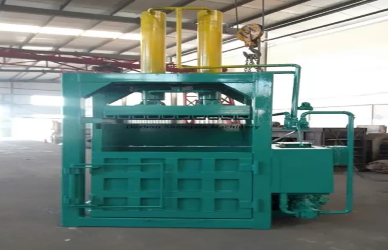
Applications of Hydraulic Balers
1.In Recycling Industries (Paper, Cardboard, Plastics, Metals)
Hydraulic balers are widely used in recycling industries to compact a variety of materials. In the paper and cardboard sectors, they help efficiently bundle large quantities of waste for easy transportation and recycling. Similarly, plastic and metal recycling facilities use hydraulic balers to reduce the volume of scrap materials, making them easier to store and transport to processing plants.
2.Waste Management
In waste management, hydraulic balers play a crucial role in reducing the volume of waste, such as household trash, commercial waste, and industrial by-products. By compressing waste materials, balers help minimize landfill space and streamline waste collection and transportation, improving efficiency and reducing costs for waste management companies.
3.Agriculture and Farming (Hay, Straw, etc.)
In agriculture, hydraulic balers are essential for compressing materials like hay, straw, and other crops. These machines create dense, uniform bales that are easier to store, handle, and transport. Hydraulic balers help farmers optimize storage space and maintain the quality of hay and straw, making them easier to distribute to livestock or use in other agricultural processes.
4.Manufacturing and Logistics
Hydraulic balers are used in manufacturing industries to handle and compress production waste such as metal shavings, scrap materials, and cardboard. In logistics, they help companies compact packaging materials, optimizing warehouse space and reducing the overall cost of waste disposal. The efficiency of hydraulic balers in these sectors contributes to smoother operations and better resource management.
Maintenance and Safety Considerations
1.Regular Checks on Hydraulic Fluid Levels and Seals
Regular maintenance of hydraulic balers is essential to ensure smooth operation. One of the most critical tasks is checking the hydraulic fluid levels and inspecting the seals. Low fluid levels or damaged seals can lead to reduced performance, leaks, and even system failure. Operators should routinely monitor the fluid and replace any worn seals to prevent downtime and maintain efficiency.
2.Safe Operation Practices
Safe operation practices are vital for preventing accidents and ensuring the longevity of the machine. Operators should be trained to follow all safety guidelines, including wearing appropriate personal protective equipment (PPE), understanding emergency shut-off procedures, and operating the baler within its designated parameters. It’s also important to keep the area around the baler clear of debris and maintain proper ventilation to prevent overheating.
3.Importance of Routine Maintenance to Ensure Longevity
Routine maintenance is key to extending the life of a hydraulic baler. Regularly cleaning the system, inspecting the hydraulic pump, cylinders, and valves, and performing necessary adjustments or part replacements helps prevent wear and tear. Ensuring that all components are in good working condition not only enhances the machine’s performance but also reduces the likelihood of costly repairs or breakdowns.
FAQ:
1.What are the main benefits of using a hydraulic baler in waste management?
Hydraulic balers reduce waste volume, increase recycling efficiency, and save space in storage and transportation. They compress large amounts of waste into compact bales, making disposal more cost-effective and environmentally friendly.
2.Can hydraulic balers handle different materials?
Yes, hydraulic balers can process materials like paper, plastic, cardboard, metals, textiles, and agricultural waste, making them versatile for various industries.
3.How often should a hydraulic baler be maintained?
Regular maintenance every 3-6 months is recommended to ensure proper fluid levels and smooth operation, helping prevent breakdowns and extending the baler’s lifespan.
4.Is it difficult to operate a hydraulic baler?
No, hydraulic balers are designed with user-friendly automated controls, requiring minimal intervention. They are easy to operate, even for those with limited technical experience.
Conclusion
In conclusion, hydraulic balers operate based on the efficient use of hydraulic pressure to compress materials into compact bales, offering a versatile and powerful solution for industries dealing with large volumes of waste and recyclable materials. By converting mechanical energy into hydraulic force, these machines provide high compression power, making them ideal for handling materials like paper, plastics, metals, and agricultural by-products. With key components such as hydraulic pumps, cylinders, valves, and bale chambers, hydraulic balers ensure smooth and effective operation.
As sustainability and waste management continue to gain importance globally, hydraulic balers play an increasingly critical role in reducing waste volume, optimizing recycling processes, and supporting environmental goals. Their efficiency, low maintenance, and energy savings make them indispensable tools in recycling, manufacturing, and agriculture, all while contributing to a cleaner, more sustainable future.


