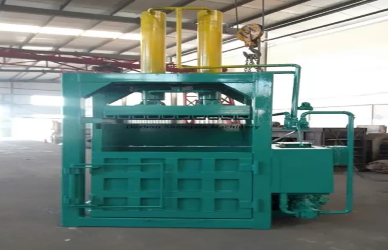
A hydraulic baling press machine is a powerful piece of equipment used to compress materials into compact bales using hydraulic pressure. This type of baler utilizes the force generated by hydraulic fluid to exert immense pressure on materials, reducing their volume significantly. The result is neatly compressed bales that are easier to handle, store, and transport. Hydraulic balers are essential in industries where managing large volumes of waste or recyclable materials is critical.
In modern industries like recycling and manufacturing, hydraulic baling presses play a crucial role. They are widely used in recycling plants to compress materials such as paper, plastics, cardboard, and metals into uniform bales, making it easier to process and transport them to recycling facilities. In manufacturing, they help compress scrap materials like metal shavings, paper, and plastics, improving storage efficiency and reducing waste handling costs. Hydraulic balers contribute to streamlined operations, sustainability efforts, and cost savings, making them indispensable for businesses focused on efficiency and waste management.
What is a Hydraulic Baling Press Machine?
1.Definition and Basic Function
A hydraulic baling press machine is a type of industrial equipment designed to compress waste or recyclable materials into compact bales using hydraulic pressure. The machine employs a hydraulic system that generates force, applying it to materials like paper, plastic, metal, or textiles, reducing their volume and making them easier to store, transport, and handle. This process is essential for improving recycling efficiency, waste management, and optimizing material storage.
2.The Key Components of a Hydraulic Baling Press
Hydraulic Pump and Motor: The hydraulic pump is powered by a motor and creates the pressure required to move the hydraulic fluid. This fluid then powers the cylinders that compress the material.
Hydraulic Cylinders: These cylinders convert the pressurized hydraulic fluid into mechanical force, moving the ram or platen forward to compress the material inside the baling chamber.
Bale Chamber: The bale chamber is where the material is compressed. It is designed to withstand the pressure applied by the hydraulic system and is usually reinforced to handle the force exerted during compression.
Tying Mechanism: Once the material is compacted, the tying mechanism (often wire, twine, or plastic) secures the bale, ensuring it stays intact for storage or transport.
Control System: This allows the operator to adjust settings such as pressure and cycle time to match the material being processed.
3.How It Works to Compress Materials into Bales
The operation of a hydraulic baling press begins when the hydraulic pump, powered by the motor, sends hydraulic fluid to the cylinders. This fluid builds up pressure within the cylinders, which then applies force to the movable ram or platen inside the bale chamber. As the ram moves forward, it pushes and compresses the material tightly into the chamber, reducing its size and volume. Once the material is sufficiently compacted, the ram retracts, and a tying mechanism secures the bale with wire or plastic to keep it intact.
Types of Hydraulic Baling Press Machines
1.Vertical vs. Horizontal Baling Presses
Vertical Baling Presses
Design: Compact and vertically oriented, these balers compress materials in an up-and-down motion. Materials are fed from the top.
Best For: Small-volume applications, such as retail businesses or small recycling centers.
Advantages:
Space-efficient design
Lower cost and maintenance
Disadvantages:
Lower throughput
Smaller bales
Horizontal Baling Presses
Design: Features a horizontal chamber where materials are loaded from the front and compressed horizontally.
Best For: High-volume operations like large recycling plants.
Advantages:
Higher efficiency and larger bales
Suitable for bulk materials like cardboard and metal
Disadvantages:
Requires more space and higher initial cost
2.Specialized Balers for Different Materials
Paper Baling Presses
Designed to compact paper and cardboard, offering adjustable pressure for different paper types.
Plastic Baling Presses
Built to handle plastic materials, applying higher pressure to compact plastics like bottles, film, and containers.
Metal Baling Presses
Reinforced for tough metals, like scrap steel or aluminum, applying greater force to compress these dense materials.
Textile Baling Presses
Tailored for fabric and textile waste, with settings to handle different fabric types efficiently.
Multi-material Baling Presses
Versatile machines capable of processing a variety of materials, ideal for recycling centers dealing with mixed waste.
How a Hydraulic Baling Press Works
1.Detailed Explanation of the Hydraulic System
The hydraulic system is the core of a baling press, comprising key components:
Hydraulic Pump: Powered by a motor, the pump pressurizes hydraulic fluid, converting mechanical energy into hydraulic force.
Hydraulic Fluid: The fluid carries energy through the system to the cylinders, enabling the compression process.
Hydraulic Cylinders: The fluid flows into cylinders, causing pistons to move, which in turn drives the ram or platen that compresses the material.
Pressure: The pump generates high pressure, which is essential for compacting the material, with higher pressure leading to greater force.
2.The Compression Cycle and Its Effect on Material Density
The compression cycle starts when the material is loaded into the chamber. The hydraulic cylinders push the ram forward, compressing the material and reducing its volume. This process increases the material's density, making it more compact and easier to handle or transport. The hydraulic system allows precise control over the pressure applied, ensuring efficient compression of various materials.
3.How Materials Are Tied into Bales After Compression
Once compressed, the ram retracts, and the material is tied into bales. A tying mechanism, often using wire, twine, or plastic bands, secures the bales. The bales are then ejected, remaining intact and easy to transport.
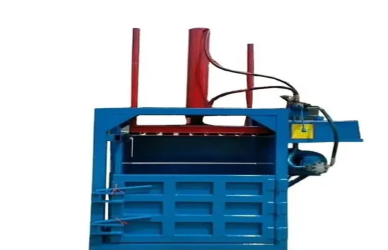
Benefits of Hydraulic Baling Press Machines
1.High Compression Ratio and Space Efficiency
Hydraulic baling press machines are highly effective at compressing large volumes of waste into compact bales. The high compression ratio allows materials to be reduced in size by up to 90%, significantly maximizing storage space and minimizing the need for large storage areas. This space efficiency helps businesses save on valuable floor space, making the entire waste management process more organized and streamlined.
2.Energy Savings and Cost-effectiveness
Hydraulic balers are designed to be energy-efficient, using hydraulic pressure to apply force instead of relying on high-energy mechanical systems. The hydraulic system allows for better control over energy use, resulting in reduced power consumption. In the long run, this leads to lower operational costs and makes hydraulic balers a cost-effective solution for businesses looking to optimize their waste management systems.
3.Reduction in Waste Handling and Transport Costs
By compressing waste materials into uniform bales, hydraulic baling press machines reduce the volume of waste, which in turn lowers handling and transport costs. Since compacted bales take up less space and are easier to stack, they require fewer trips to transport the same amount of material. This leads to savings in both fuel costs and labor, as well as reduced environmental impact due to fewer transport requirements.
Applications of Hydraulic Baling Press Machines
1.Recycling and Waste Management
Hydraulic baling press machines are widely used in recycling and waste management industries to handle materials like paper, cardboard, plastics, metals, and textiles. They efficiently compact recyclable materials into uniform bales, which are easier to transport, store, and process at recycling facilities. By reducing waste volume, hydraulic balers contribute to better organization and more efficient recycling operations.
2.Agriculture (Hay, Straw)
In agriculture, hydraulic balers are essential for compacting hay, straw, and other crop residues into dense bales. These bales are easier to store, transport, and distribute, helping farmers manage their resources efficiently. Hydraulic balers ensure that agricultural by-products are properly handled, reducing waste and making it easier to provide feed for livestock or store materials for other uses.
3.Manufacturing Industries for Scrap Metal, Plastic, and Paper
In manufacturing, hydraulic balers are commonly used to compress scrap metal, plastics, and paper waste generated during production. These balers help streamline the handling of waste, making it easier to manage, store, and transport scrap materials for recycling. By compacting these materials into dense bales, businesses can save space and reduce the costs associated with waste disposal and recycling logistics.
FAQ:
1.How does a hydraulic baling press work?
A hydraulic baling press uses hydraulic fluid to generate high pressure, compressing materials into tight bales. The fluid is pumped through cylinders to apply force, compacting waste or recyclables.
2.What materials can a hydraulic baling press handle?
Hydraulic baling presses can compress a variety of materials, including paper, cardboard, plastic, metal scrap, textiles, and agricultural waste such as hay or straw.
3.What are the different types of hydraulic baling presses?
There are mainly two types: vertical balers, which are more compact and suitable for small volumes, and horizontal balers, which handle larger volumes and are used in high-output recycling operations.
4.Is operator training necessary for using a hydraulic baling press?
Yes, operator training is crucial to ensure the safe and efficient use of the machine. It helps avoid accidents, ensures proper handling of materials, and extends the lifespan of the equipment.
Conclusion
Hydraulic baling press machines are essential for sustainable waste management, efficiently compressing materials like paper, plastics, metals, and agricultural by-products into compact bales. This reduces waste volume, saves storage and transport space, and enhances recycling efforts. As industries focus on sustainability, hydraulic balers help improve efficiency and reduce environmental impact.
Looking ahead, advancements in automation, smart sensors, and eco-friendly hydraulic fluids will likely make baling machines even more energy-efficient and adaptable, further supporting sustainability in waste management and recycling.


