Prevent silage spoilage and mechanical failure. Upgrade to a heavy-duty round baler with reinforced chambers, pre-cutting rotors, and film binding for high-moisture crops.
Facilities generating steady volumes of cardboard, plastic, or light metals often reach a breaking point. Loose waste handling rapidly limits floor space and inflates daily hauling fees. You simply cannot allow overflowing dumpsters to disrupt core business operations.
Moving from generic disposal methods to on-site compaction demands careful equipment selection. Facility managers must choose machines balancing high compression force against everyday operational reliability. Overlooking these factors leads to frequent breakdowns and severely damages productivity.
This guide breaks down how you evaluate, select, and implement a compaction solution properly. You will discover strategies minimizing downtime and optimizing your facility footprint. Read on to learn how these robust machines deliver a verifiable return on investment.
Key Takeaways
Transitioning to baled waste typically reduces waste collection frequency by up to 80%, directly impacting hauling costs.
Selecting a low maintenance baler requires assessing hydraulic cylinder quality, simplified electrical panels, and standardized part availability.
Vertical balers offer the best compaction-to-footprint ratio for retail, distribution, and manufacturing facilities generating under 100 tons of waste per month.
Successful implementation requires aligning machine electrical demands (e.g., 3-phase power) with existing facility infrastructure and ensuring OSHA/ANSI safety compliance.
Framing the Business Case: The Role of a Waste Volume Reducer
Businesses continually lose money by paying haulers to transport uncompacted air inside open-top dumpsters. A reliable waste volume reducer changes this dynamic entirely. You can directly compare your current open-top dumpster hauling fees against the standardized commodity value of baled recyclables. Old Corrugated Cardboard (OCC) holds significant market value when properly bundled. Selling these neat bundles transforms a persistent expense line into a steady revenue stream.
Floor space optimization serves as another massive operational advantage. Consolidating loose, bulky materials into uniform bales reclaims valuable square footage. You can dedicate this recovered space to inventory, assembly lines, or core business operations. Overflowing bins create trip hazards and restrict forklift movement. Eliminating these messy zones drastically improves warehouse navigation and overall safety.
Labor efficiency improves dramatically once you centralize your waste processing. We must assess the hidden costs of employee time. Workers waste hours breaking down boxes manually or managing overflowing bins. Machine-driven compaction eliminates this tedious manual labor. Employees simply toss intact boxes into the chamber and press a button. They return to productive tasks immediately.
To measure deployment success effectively, facilities should define clear criteria upfront. Consider the following success benchmarks:
Achieving a complete equipment payoff within a 12-month window.
Maintaining zero compliance infractions regarding local fire codes or safety regulations.
Sustaining 99% machine uptime through proactive care.
Reducing weekly hauler pickups by at least half.
Key Evaluation Criteria for a Waste Vertical Baler
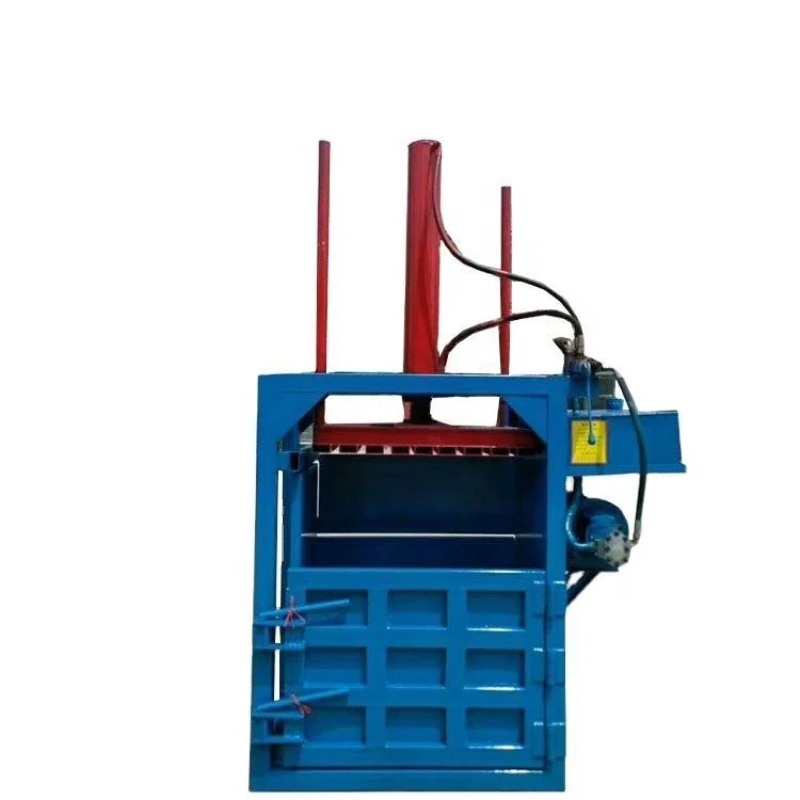
You must align machine specifications directly with your primary facility waste stream. A standard machine handles corrugated cardboard effortlessly. However, pressing plastics or PET bottles requires distinct internal modifications. Plastics possess severe memory, causing material spring-back after compression. A specialized waste vertical baler uses specific retention dogs inside the chamber. These metal teeth grip the plastic and prevent it from expanding upward when the platen retracts.
Bale size and weight specifications directly dictate your logistical workflow. You should match the machine output to what local recycling haulers actively accept. The industry standard remains the 60-inch mill-size bale. These bundles maximize truck weight limits and stack perfectly on standard shipping pallets. You must also ensure your existing forklifts or pallet jacks can safely lift bundles weighing up to 1,000 pounds.
Evaluating the cylinder stroke speed helps prevent unwanted labor bottlenecks. Standard cycle times typically run between 30 and 50 seconds. Extremely slow cycle times force employees to wait around before loading more material. Conversely, excessively fast cycles generate immense friction and heat. High-speed systems often require more complex, higher-maintenance hydraulic configurations to prevent overheating.
Facility managers must account for both the operational footprint and overhead clearances. The machine base occupies floor space, but the hydraulic cylinder requires substantial vertical clearance. During an upward stroke, the cylinder extends several feet above the main frame. You must measure ceiling heights and verify clearance around sprinkler heads, HVAC ducts, and lighting fixtures.
Chart: Material Compatibility & Compaction Profile
Material Type
Spring-back Risk
Retention Dogs Needed?
Ideal Cycle Time
Corrugated Cardboard (OCC)
Low
Optional
30 - 45 seconds
Shrink Wrap / Plastic Film
Medium
Yes
40 - 50 seconds
PET Plastic Bottles
High
Yes (Heavy Duty)
45 - 55 seconds
Light Aluminum Cans
Medium
Yes
40 - 50 seconds
Engineering a Low Maintenance Baler: Features That Mitigate Downtime
A poorly designed hydraulic system guarantees eventual operational failure. Facility teams should look for machines featuring front-facing hydraulic power units (HPUs). Front-facing placement allows service technicians easy access during routine oil checks. They can swap filters or adjust pressure settings without moving the massive machine away from the wall. This simple design choice drastically cuts down billable service hours.
Control panel simplicity represents a critical factor for long-term reliability. Many manufacturers now install overly complex digital interfaces or touchscreens. You should avoid these delicate displays in dusty, high-vibration warehouse environments. A true low maintenance baler relies on standard mechanical push-button controls. Physical buttons limit electronic failure points and simplify operator use across multiple work shifts.
Structural rigidity separates premium equipment from budget-tier alternatives. You must critically assess the thickness of the steel frame. Pay special attention to the design of the platen, which acts as the main pressing plate. Uneven material loading places immense lateral stress on this component.
Inspect the steel channel guides for adequate thickness and heavy reinforcement.
Ensure the platen features structural ribs to distribute compression forces evenly.
Check door hinges and locking mechanisms for heavy-duty, oversized steel construction.
Verify the floor plate can withstand repeated impacts from heavy, dropped materials.
Equipment lifespan improves significantly when manufacturers prioritize off-the-shelf components. Proprietary electronics trap you into relying exclusively on the original manufacturer for repairs. High-quality machines utilize standardized limit switches, contactors, and relays. Local technicians can easily source these common electrical parts on the exact same day. This standardization ensures a minor sensor failure never halts your warehouse production for weeks.
Vertical Balers vs. Industrial Compactors: Shortlisting Logic
Volume thresholds provide the most reliable metric for equipment shortlisting. Facilities generating steady, manageable streams typically produce between one and ten bales per week. A vertical baler handles this moderate volume perfectly. However, massive distribution centers often exceed this threshold easily. High-volume, continuous-feed requirements usually justify transitioning to a horizontal system. Horizontal units tie off bundles automatically, eliminating the manual labor required by upright machines.
Material segregation practices also dictate your equipment choice. Upright machines require strictly pre-sorted materials. You must feed them exclusively cardboard, or exclusively shrink wrap, to maintain commodity recycling value. Mixed waste ruins the recycling process entirely. If your facility generates massive amounts of mixed, unrecyclable municipal solid waste (MSW), an enclosed industrial compactor becomes necessary. Compactors crush mixed garbage directly into a detachable hauling container.
Capital expenditure (CapEx) varies wildly between these two machine classes. Upright pressing units represent a tiny fraction of the upfront cost associated with enclosed compactors. They arrive fully assembled and plug directly into your existing electrical grid. Automated compactors require significant infrastructure modifications. Facilities often need to pour concrete pads, build custom loading docks, and install outdoor weatherproofing to accommodate them.
Implementation Risks and Rollout Considerations
Power infrastructure often poses the most immediate rollout challenge for older facilities. Heavy-duty compression requires robust electrical support. Most commercial units require a 3-phase, 208/230/460V power supply to drive the hydraulic pump efficiently. Single-phase options do exist for smaller retail locations. However, single-phase motors generally sacrifice significant compaction force and struggle with dense materials. You must verify your panel capacity with an electrician before ordering.
Safety and compliance demand strict attention during the implementation phase. Machines must feature fail-safe gate limit switches. These sensors prevent the ram from operating if the loading door remains open. Emergency stop buttons must sit within immediate reach of the operator. Key-lock controls prevent unauthorized personnel from activating the machine. Mandating these specific features ensures you meet all OSHA guidelines and ANSI Z245.5 safety standards.
Establishing an operator training protocol prevents localized injuries and mechanical jamming. Managers must develop clear Standard Operating Procedures (SOPs) for the warehouse team. Training should cover how to load boxes flat to avoid uneven platen stress. Operators must learn the exact procedure for tying off wire safely under tension. Ejecting the heavy bundle requires specific safety steps to ensure it rolls smoothly onto an awaiting pallet.
Preventative maintenance schedules keep machines running smoothly for decades. You should outline a realistic checklist and assign it to specific maintenance personnel. Daily visual checks catch minor leaks before they escalate. Consistent care drastically reduces emergency repair invoices.
Preventative Maintenance (PM) Schedule Matrix
Frequency
Task Description
Component Focus
Daily
Inspect floor for fluid leaks and clear debris from door tracks.
Hydraulic Hoses, Chamber Floor
Weekly
Verify all safety limit switches and emergency stop buttons function.
Electrical Controls, Sensors
Quarterly
Grease all moving door hinges, wheel locks, and latch assemblies.
Mechanical Hinges, Turnbuckles
Annually
Test hydraulic oil viscosity, replace fluid filters, and check wire ropes.
Hydraulic Reservoir, Cylinders
Conclusion
Deploying the right compaction machine successfully bridges the gap between chaotic waste inefficiencies and highly sustainable operations. Facility managers regain lost floor space, slash expensive hauler invoices, and improve overall warehouse safety. By prioritizing simple controls and standardized parts, you guarantee reliable daily operations.
Take actionable steps today to reclaim your facility footprint. Start by conducting a thorough site audit to measure your exact weekly waste volumes. Next, evaluate your main electrical panels to confirm 3-phase power availability. Finally, measure your vertical ceiling clearances accurately before requesting any specific vendor quotes.
FAQ
Q: What is the average lifespan of a vertical baler?
A: A quality machine typically lasts between 10 and 15 years in a commercial setting. You can maximize this lifespan through strict adherence to routine maintenance. Regular greasing, prompt sensor replacements, and annual hydraulic oil changes keep the cylinder functioning perfectly over time.
Q: Can one vertical baler process both cardboard and plastic?
A: Yes, one machine handles both materials effectively. However, you cannot mix them into a single bundle. Mixed bundles have zero recycling commodity value. You must completely empty the pressing chamber and tie off the current material before switching over to another.
Q: How much maintenance does a vertical baler actually require?
A: These machines require surprisingly minimal upkeep when operated correctly. They need daily visual inspections to catch debris or minor leaks. You should grease the heavy door hinges quarterly. Annually, technicians must test the hydraulic fluid and replace the system filters.
Q: What size bale is most profitable for recycling?
A: The industry standard 60-inch "mill size" bale remains the most profitable configuration. These bundles weigh roughly 800 to 1,000 pounds when processing cardboard. This specific size maximizes shipping weight limits on flatbed trailers, which prompts recyclers to offer premium payout rates.
Dezhou Shengxin Machinery Equipment Co., Ltd. is a company specializing in the production of balers, integrating R&D, production, sales and service, and has a complete and scientific quality management system.
Add: No. 2 Workshop, No. 66, South of Provincial Highway 353, Luoli Village, Taitousi Town, Canal Economic Development Zone, Dezhou City, Shandong Province