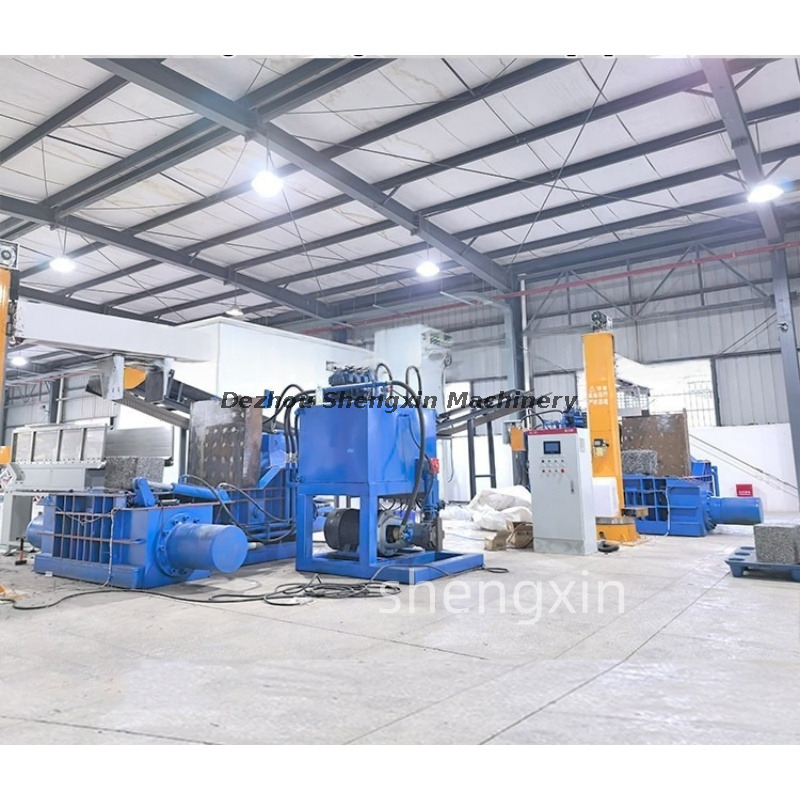
Have you ever wondered how businesses manage large volumes of waste? Baling machines play a crucial role in waste management and recycling.
In this article, we will explore the different types of baling machines. You'll learn about their features, advantages, and ideal applications for various industries.
Understanding Baling Machines
The Role of Baling Machines in Waste Management
Baling machines are essential tools in modern waste management. They compress various materials into compact bales, making waste disposal more efficient. By transforming loose materials into manageable sizes, baling machines help optimize logistics and storage.
For instance, businesses can significantly reduce the volume of waste they produce. This reduction streamlines the disposal process and minimizes the frequency of waste pickups. Imagine a supermarket that generates large amounts of cardboard waste. By using a baling machine, it can compress this waste into dense bales, freeing up valuable space and reducing disposal costs.
Key Benefits of Using Baling Machines
1. Cost Savings: Baling machines lead to substantial savings in waste management costs. By compressing waste, companies can lower transportation expenses and reduce landfill fees. Over time, these savings can accumulate, positively impacting a company's bottom line.
2. Environmental Impact: Using baling machines promotes recycling and sustainability. They enable businesses to recycle materials like cardboard, plastic, and metal more efficiently. This not only conserves resources but also reduces the amount of waste sent to landfills.
3. Improved Safety: Baling machines also enhance workplace safety. By compacting waste, they minimize clutter in workspaces, reducing the risk of accidents. A tidy environment contributes to better employee morale and productivity.
Benefit | Description |
Cost Savings | Lower transportation and landfill fees. |
Environmental Impact | Promotes recycling and reduces landfill waste. |
Improved Safety | Minimizes clutter, reducing accident risks. |
In various industries, baling machines are invaluable. They not only streamline waste management processes but also contribute to a more sustainable future. By understanding their role and benefits, businesses can make informed decisions about implementing these machines in their operations.
1. Vertical Baling Machines
Features and Characteristics
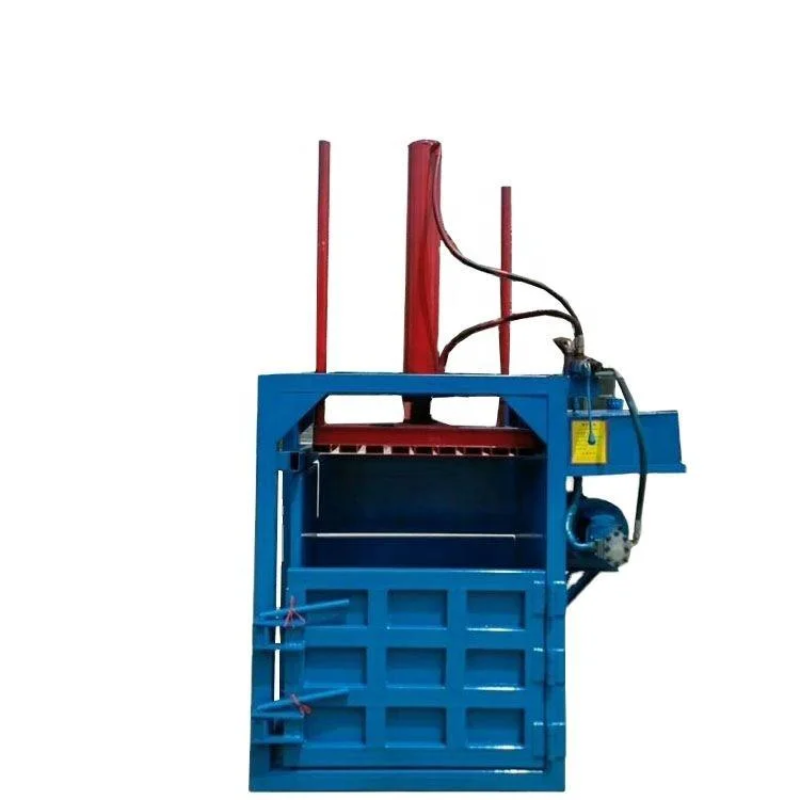
Vertical baling machines are designed to efficiently compress materials into compact bales. They operate by using a vertical press that pushes waste materials into a defined space, creating tightly packed bales. These machines are typically smaller than their horizontal counterparts, making them ideal for locations where space is limited.
Typical Materials Processed:
● Cardboard: One of the most common materials, cardboard is easy to compress and recycle.
● Paper: Newspapers and office paper can be processed effectively, reducing volume significantly.
● Plastics: Many vertical balers can handle various types of plastics, promoting recycling efforts.
Material Type | Characteristics | Benefits |
Cardboard | Lightweight, recyclable | Reduces landfill waste |
Paper | Easily compressed | Saves space and costs |
Plastics | Versatile, durable | Supports sustainability |
Advantages of Vertical Baling Machines
Vertical baling machines offer several advantages, particularly for small to medium-sized businesses.
● Space-Saving Design: Their vertical orientation allows them to fit into tight spaces, making them perfect for environments like retail stores or small warehouses. They can be placed against walls or in corners without hindering operations.
● Cost-Effectiveness: These machines often come at a lower initial investment compared to larger models. For businesses generating moderate amounts of waste, vertical balers provide an affordable solution while significantly reducing waste disposal costs.
Ideal Applications
Vertical baling machines are widely used across various industries, making them versatile tools in waste management.
● Retail: Grocery stores and supermarkets frequently use vertical balers for cardboard and plastic waste. By compressing these materials, they can optimize storage and reduce pickup frequency.
● Small Manufacturing: Manufacturers producing packaging materials or other waste can benefit from vertical balers. They help maintain cleanliness in the workspace and streamline waste disposal processes.
● Offices: Many offices generate a considerable amount of paper waste. Vertical balers can efficiently handle this, promoting recycling and reducing clutter.
In summary, vertical baling machines are essential for businesses looking to enhance their waste management practices. Their space-saving design, cost-effectiveness, and versatility make them a popular choice in various sectors.
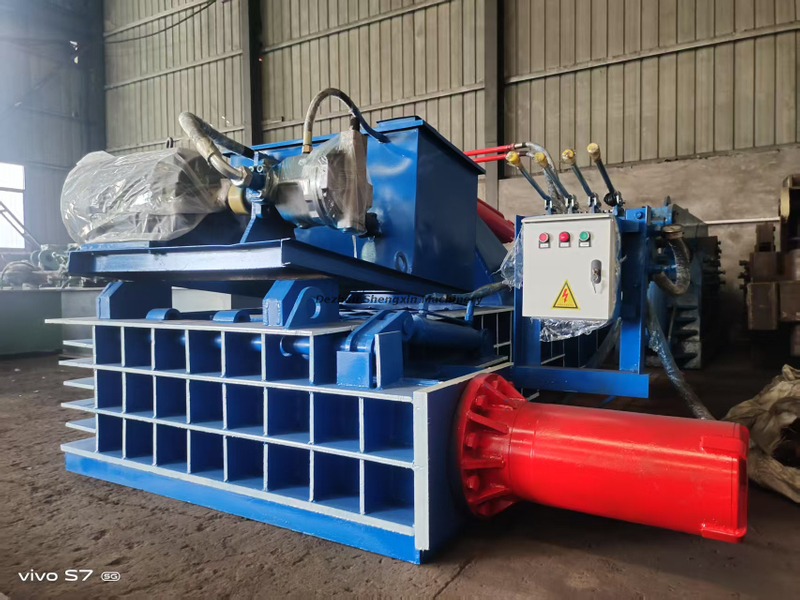
2. Horizontal Baling Machines
Features and Characteristics
Horizontal baling machines are robust and designed for high-volume waste processing. Unlike vertical balers, these machines operate horizontally, allowing for continuous feeding of materials. This design makes them ideal for large operations where efficiency is key.
Typical Materials Processed:
● Large Volumes of Cardboard: These machines excel at compressing bulky cardboard, making it easier to manage and recycle.
● Metals: Horizontal balers can handle metals, creating dense bales that are easy to transport and process further.
Material Type | Characteristics | Benefits |
Cardboard | High volume, lightweight | Reduces transportation costs |
Metals | Heavy-duty, durable | Increases recycling efficiency |
Advantages of Horizontal Baling Machines
One of the standout features of horizontal baling machines is their high efficiency and throughput.
● High Efficiency: These machines can process large quantities of materials quickly. Their design allows for continuous operation, which means less downtime and more productivity. This is crucial for businesses that generate significant waste daily.
● Automated Processes: Many horizontal balers come equipped with automation features. This reduces the need for manual labor, lowering operational costs. Workers can focus on other tasks while the machine efficiently processes waste, enhancing overall workplace productivity.
Ideal Applications
Horizontal baling machines are particularly suited for large-scale recycling facilities and industrial applications.
● Recycling Facilities: These machines are a staple in recycling centers where they handle vast amounts of cardboard, plastics, and metals. Their ability to produce heavy bales makes them perfect for transporting materials to processing plants.
● Industrial Applications: Factories and manufacturing plants often generate large volumes of scrap materials. Horizontal balers can efficiently compress these materials, ensuring a clean workspace and simplifying waste management.
● Distribution Centers: In logistics and distribution, these machines help manage packaging waste, allowing companies to recycle effectively while maintaining a tidy environment.
In various industries, horizontal baling machines play a vital role in enhancing waste management processes.
3. Compact Baling Machines
Features and Characteristics
Compact baling machines are designed for efficiency and versatility in spaces where room is limited. These machines are typically smaller in size, making them easy to fit into various environments. They operate similarly to larger balers but are optimized for lower volumes of waste.
Typical Materials Processed:
● Cardboard: Compact balers handle cardboard waste effectively, compressing it into manageable bales that are easy to store and transport.
● Paper: Offices can process paper waste quickly, promoting recycling and reducing clutter.
● Plastics: Many compact balers can also manage lightweight plastics, supporting sustainability efforts.
Material Type | Characteristics | Benefits |
Cardboard | Lightweight, recyclable | Reduces storage space |
Paper | Easily compressed | Promotes recycling |
Plastics | Versatile and durable | Supports eco-friendly practices |
Advantages of Compact Baling Machines
One of the main advantages of compact baling machines is their portability and ease of use.
● Portability: These machines are lightweight and often equipped with wheels, making them easy to move around. This feature is particularly beneficial for businesses that may need to relocate their baler frequently, such as in retail environments.
● Ease of Use: Compact balers are designed for straightforward operation. Many models feature user-friendly controls, allowing staff to quickly learn how to operate them. This simplicity reduces training time and increases efficiency.
Ideal Applications
Compact baling machines are perfect for various industries, especially those with limited space or lower waste volumes.
● Retail: In grocery stores and small retail outlets, compact balers can efficiently manage packaging waste, such as cardboard boxes and plastic wraps. This helps maintain a clean shopping environment while promoting recycling.
● Hospitality: Hotels and restaurants generate a significant amount of waste, including paper and plastic. Compact balers allow these businesses to manage their waste effectively, contributing to sustainability initiatives.
● Small Offices: Many offices produce paper waste regularly. A compact baler can help reduce clutter and promote recycling, making it an ideal addition to any office environment.
In summary, compact baling machines offer a practical solution for businesses looking to optimize their waste management processes. Their portability, ease of use, and versatility make them an excellent choice for various applications, from retail to hospitality.
4. Two-Ram Baling Machines
Features and Characteristics
Two-ram baling machines are designed for high efficiency and versatility, making them ideal for processing a wide variety of materials. Unlike traditional balers, these machines use two rams to compress materials, allowing for more powerful and consistent bales. This dual-ram system enhances the machine's ability to handle heavy and dense materials.
Typical Materials Processed:
● Heavy Plastics: Two-ram balers excel at compressing bulky plastics, which are often challenging to manage. They create tightly packed bales that are easy to transport and recycle.
● Metals: These machines can also handle ferrous and non-ferrous metals, producing high-density bales that maximize recycling efficiency.
Material Type | Characteristics | Benefits |
Heavy Plastics | Durable, bulky | Reduces handling costs |
Metals | Heavy-duty, dense | Increases recycling value |
Advantages of Two-Ram Baling Machines
Two-ram baling machines offer several advantages, particularly in demanding applications.
● High-Density Bales: The powerful compression provided by the two-ram system allows for the production of high-density bales. This is crucial for reducing transportation costs and maximizing storage space.
● Versatility: These machines can handle a wide range of materials, making them suitable for various industries. Their ability to adapt to different waste types is a significant advantage for businesses that process multiple materials.
Ideal Applications
Two-ram baling machines are commonly found in large recycling centers and waste management facilities.
● Large Recycling Centers: These facilities often deal with substantial volumes of waste, including metals and plastics. Two-ram balers streamline the recycling process, ensuring that materials are processed efficiently and effectively.
● Waste Management Facilities: In waste management, these machines help compress diverse waste streams, allowing for easier transportation and disposal. They play a critical role in improving operational efficiency and reducing landfill waste.
● Manufacturing Plants: Factories generating scrap materials can benefit from two-ram balers, as they efficiently compress heavy waste, ensuring a clean and organized workspace.
In various sectors, two-ram baling machines are indispensable tools for enhancing waste management and recycling processes. Their ability to produce high-density bales and handle a variety of materials makes them a valuable investment for businesses focused on efficiency and sustainability.
5. Auto-Tie Baling Machines
Features and Characteristics
Auto-tie baling machines are designed to streamline the baling process, particularly in high-volume operations. These machines feature an automatic tying system, which significantly enhances efficiency by eliminating the need for manual tying. With a robust build, they are capable of handling various materials while producing tightly compacted bales.
How the Automatic Tying System Works: The automatic tying system uses a series of mechanisms to wrap the bales securely. Once the material is compressed, the machine automatically feeds tying material around the bale and secures it in place. This process not only saves time but also ensures consistency in bale size and strength.
Feature | Description | Benefits |
Automatic Tying System | Wraps and secures bales | Reduces manual labor |
High Compression | Produces dense bales | Maximizes storage efficiency |
Advantages of Auto-Tie Baling Machines
One of the main advantages of auto-tie baling machines is their ability to increase productivity while reducing labor needs.
● Increased Productivity: By automating the tying process, these machines allow operators to focus on other tasks, enhancing overall productivity. This is especially beneficial in busy environments where time is critical.
● Efficiency in High-Volume Operations: Auto-tie balers excel in settings that require the processing of large quantities of materials. Their design allows for continuous operation, making them perfect for recycling facilities and manufacturing plants that generate significant waste.
Ideal Applications
Auto-tie baling machines are particularly well-suited for high-volume recycling facilities and industrial settings.
● High-Volume Recycling Facilities: These facilities often deal with a variety of materials, including cardboard, plastics, and metals. Auto-tie balers can handle these efficiently, ensuring that operations run smoothly and effectively.
● Industrial Settings: In manufacturing environments, auto-tie balers help manage scrap materials effectively. They reduce the time and effort required to prepare waste for disposal or recycling, contributing to a cleaner workspace.
● Distribution Centers: These machines can also be found in distribution centers, where packaging waste is common. By automating the baling process, they help maintain organization and improve waste management.
Auto-tie baling machines are invaluable for businesses focused on efficiency and productivity. Their ability to automate the tying process and handle high volumes of material makes them a smart choice for various industries.
6. Specialty Baling Machines
Features and Characteristics
Specialty baling machines are designed to meet unique processing needs that standard balers cannot address. These machines include types such as liquid extraction balers and ferrous balers, each tailored for specific materials and applications.
● Liquid Extraction Balers: These machines are engineered to handle materials containing liquids, extracting them during the baling process. This feature is crucial for preventing leaks and ensuring safe handling of potentially hazardous materials.
● Ferrous Balers: Specifically designed for metal recycling, ferrous balers efficiently compress metals like iron and steel. They often include powerful shredding capabilities to prepare materials for baling.
Specialty Type | Characteristics | Benefits |
Liquid Extraction Balers | Extracts liquids during baling | Prevents leaks, enhances safety |
Ferrous Balers | Handles heavy metals | Maximizes recycling efficiency |
Advantages of Specialty Baling Machines
One of the key advantages of specialty baling machines is their ability to provide tailored solutions for specific materials.
● Tailored Solutions: These machines are built to address the unique challenges posed by particular waste types. For example, liquid extraction balers are essential for managing hazardous waste safely, while ferrous balers optimize metal recycling processes.
● Enhanced Processing Capabilities: Specialty balers often come equipped with advanced features, such as shredders or liquid extraction systems, improving their processing capabilities. This means they can handle complex materials more efficiently than standard balers.
Ideal Applications
Specialty baling machines are vital in industries that require specific baling solutions, particularly in hazardous waste management and metal recycling.
● Hazardous Waste Management: In facilities that handle hazardous materials, liquid extraction balers play a crucial role in ensuring compliance with safety regulations. They help mitigate risks associated with leaks and spills.
● Metal Recycling: Ferrous balers are commonly used in scrap yards and recycling centers, where they efficiently compress metal waste. This enhances the recycling process and increases the value of recycled materials.
● Industrial Manufacturing: Industries generating specialized waste, such as textiles or chemicals, can benefit from specialty balers tailored to their specific needs. These machines ensure efficient waste processing while maintaining safety standards.
Specialty baling machines are essential for businesses that deal with unique materials and waste types. Their advanced features and tailored designs make them indispensable tools for enhancing efficiency and safety in various applications.
Conclusion
This article explores various types of baling machines, including compact, two-ram, auto-tie, and specialty balers. Each type serves specific applications, such as recycling, manufacturing, and waste management. When selecting the right baling machine, it’s essential to evaluate your specific needs and operational requirements. For tailored solutions, consider products from Shengxin, which offer unique advantages in efficiency and safety. Contact Shengxin to explore your options and discover how their machines can add value to your operations.
FAQ
Q: What is a baling machine?
A: A baling machine is a device used to compress and package materials like cardboard, plastics, and metals into bales for easier handling and transportation.
Q: How does a baling machine work?
A: A baling machine compresses materials using hydraulic or mechanical force, then ties them into bales, making them compact and manageable.
Q: Why should I use a baling machine in my business?
A: Using a baling machine increases efficiency in waste management, reduces storage space, and promotes recycling efforts.
Q: What are the different types of baling machines?
A: The main types include compact balers, two-ram balers, auto-tie balers, and specialty balers, each designed for specific materials and applications.
Q: How much does a baling machine cost?
A: The cost of a baling machine varies widely based on type and features, typically ranging from a few thousand to tens of thousands of dollars.
Q: What are the advantages of using an auto-tie baling machine?
A: Auto-tie baling machines enhance productivity by automating the tying process, reducing labor needs, and increasing efficiency in high-volume operations.


