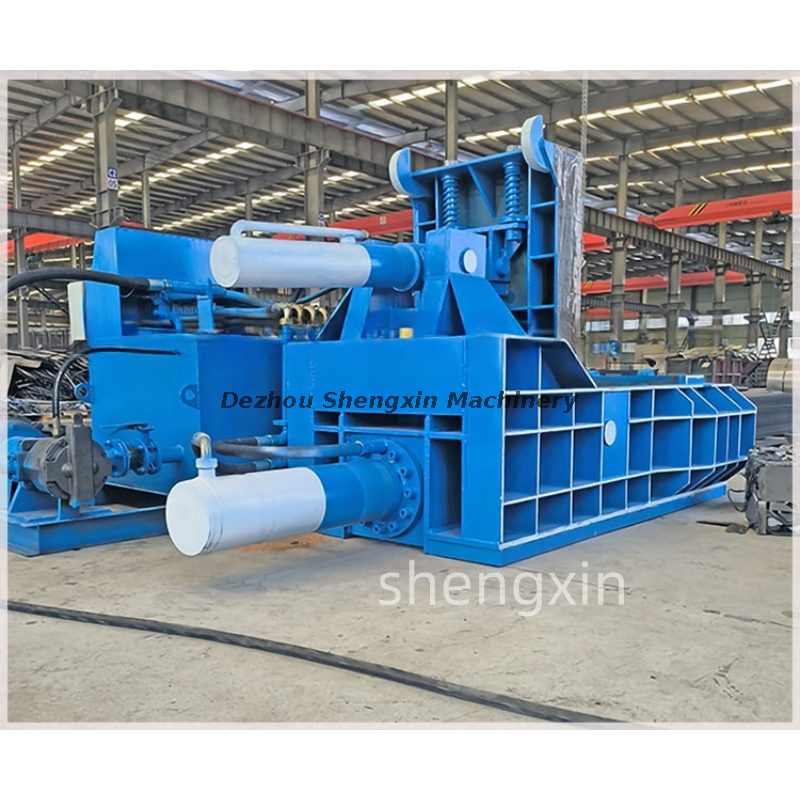
Have you ever wondered how businesses efficiently manage waste? A baling machine is a key tool in this process. It compresses materials into compact bales, making recycling easier and more cost-effective. In this post, you’ll learn about the functionality, benefits, and different types of baling machines used in various industries.
Understanding Baling Machines
What Does a Baling Machine Do?
A baling machine plays a crucial role in waste management. It compresses various materials into dense bales, making recycling more efficient. By reducing volume, baling machines help businesses save space and lower disposal costs.
Key Benefits of Using a Baling Machine:
● Cost Savings: Businesses can reduce waste disposal fees significantly.
● Increased Revenue: Baled materials can be sold to recyclers, generating extra income.
● Environmental Impact: By facilitating recycling, they contribute to sustainability efforts.
Key Features of Baling Machines:
Baling machines come equipped with several important features:
● Hydraulic Operation: This allows for efficient compression of materials, ensuring tight and uniform bales.
● Variety of Sizes: Baling machines are available in different sizes and configurations to meet specific operational needs. From small vertical balers for limited spaces to large horizontal balers for high-volume operations, there’s a baler for every requirement.
How Does a Baling Machine Work?
Understanding how a baling machine operates is key to appreciating its value. The mechanics behind it are straightforward yet effective.
Components of a Baling Machine:
1. Hydraulic Ram: This is the powerhouse of the baler, applying pressure to compress materials.
2. Baling Chamber: The space where materials are compacted into bales.
3. Binding Mechanism: This includes wires, twine, or straps used to secure the bales once formed.
Step-by-Step Process of Baling:
1. Material Collection and Preparation: Initially, waste materials are sorted and prepared for baling.
2. Loading Materials into the Baler: The prepared materials are fed into the baling chamber, either manually or using a conveyor system.
3. Compression Process: The hydraulic ram compresses the materials into a dense block.
4. Binding and Ejection of Bales: Once compressed, the bale is bound and ejected from the machine.
5. Storage and Transportation of Bales: The bales are then stored or transported for recycling.
Visual Description of a Baling Machine:
Imagine a large industrial baler in a busy warehouse. It features a robust steel frame, with a top-loading compartment. Nearby, a forklift is poised to load materials into the chamber. Compacted bales of cardboard and plastic are neatly stacked, showcasing the machine's efficiency.
Component | Function |
Hydraulic Ram | Applies pressure to compress materials |
Baling Chamber | Where materials are compacted into bales |
Binding Mechanism | Secures bales with wires or straps |
This setup not only enhances waste management but also supports recycling initiatives. With its powerful operation, a baling machine is essential for businesses looking to optimize their waste handling processes.
Types of Baling Machines
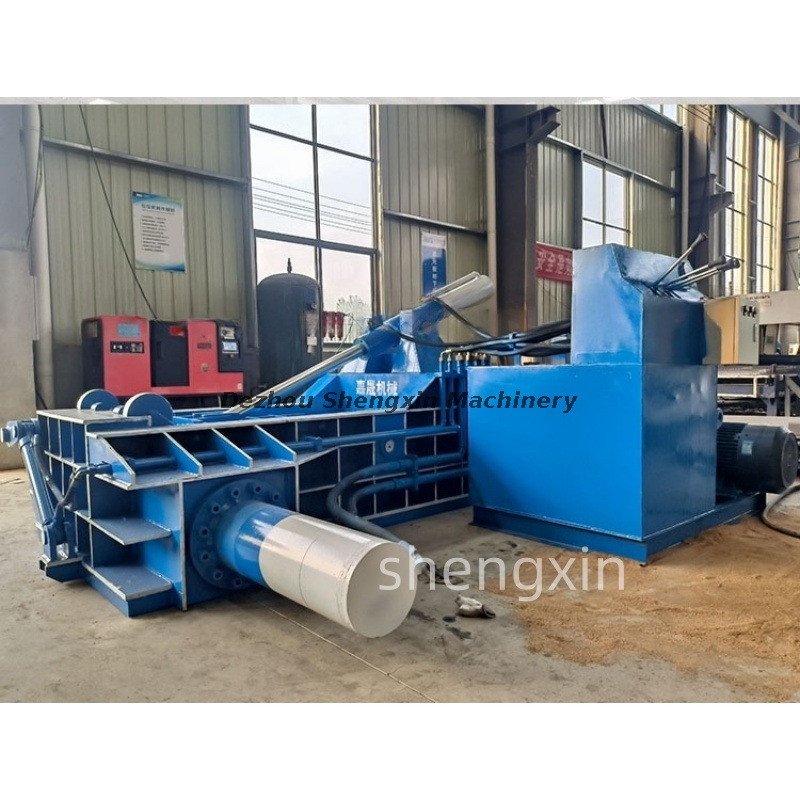
When it comes to baling machines, different types cater to various needs. Each type has unique features and applications that make them suitable for specific materials and industries. Let’s explore the main categories.
Vertical Baling Machines
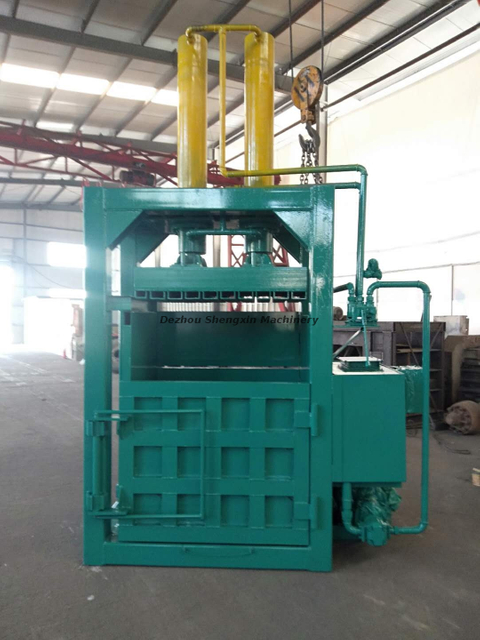
Vertical baling machines are compact and designed to handle smaller volumes of materials. They operate by compressing waste vertically, making them ideal for businesses with limited floor space.
Applications:
● Suitable for retail stores, small warehouses, and recycling facilities.
● Commonly used for baling cardboard, paper, and plastics.
Advantages:
● Space Efficiency: Their vertical design requires less floor space.
● Cost-Effective: Generally cheaper to purchase and maintain than larger models.
Disadvantages:
● Lower Capacity: They are not suitable for high-volume operations.
● Manual Loading: Often requires manual labor to load materials.
Horizontal Baling Machines
Horizontal baling machines are larger and more powerful. They are designed for high-volume operations and can process a wide range of materials.
Applications:
● Typically used in recycling centers, large warehouses, and manufacturing plants.
● Effective for baling cardboard, plastics, metals, and other recyclable materials.
Advantages:
● High Efficiency: Can produce more bales in a shorter time.
● Automated Loading Options: Many models come with conveyor systems for easier loading.
Disadvantages:
● Space Requirements: They require more floor space compared to vertical balers.
● Higher Initial Investment: The upfront cost is generally greater due to size and capabilities.
Type of Baler | Advantages | Disadvantages |
Vertical Baling Machines | Space-efficient, cost-effective | Lower capacity, manual loading |
Horizontal Baling Machines | High efficiency, automated options | Requires more space, higher cost |
Specialty Baling Machines
Specialty baling machines are designed for specific materials and unique applications. They include tyre balers, cardboard balers, and multi-material balers.
Examples and Unique Features:
● Tyre Balers: Specifically designed for compressing used tyres into manageable bales. They help recycle rubber efficiently and prevent stockpiling.
● Cardboard Balers: Tailored for baling large volumes of cardboard. These machines often feature adjustable settings for different sizes of cardboard.
● Multi-Material Balers: Versatile machines that can handle various materials, including plastics and textiles, making them ideal for businesses dealing with mixed waste streams.
These specialty machines enhance recycling capabilities and cater to businesses focused on sustainability. Their unique designs allow for efficient processing of specific materials, ensuring maximum productivity.
By understanding the different types of baling machines, businesses can choose the right equipment to meet their operational needs and optimize waste management processes.
Benefits of Using a Baling Machine
Baling machines offer numerous advantages for businesses looking to improve their waste management processes. From cost savings to enhanced efficiency, these machines are essential in today’s recycling landscape.
Cost Efficiency
One of the primary benefits of a baling machine is its ability to reduce waste disposal costs significantly. By compressing materials into bales, businesses can minimize the volume of waste they send to landfills. This reduction often leads to lower disposal fees. Additionally, baling machines help increase recycling revenue. When materials are baled, they are easier to transport and sell to recycling centers, resulting in higher returns.
Financial Incentives: Many regions offer financial incentives for businesses that actively engage in recycling. These can include rebates or tax credits, making the investment in a baling machine even more appealing.
Space Saving
Baling machines also provide substantial space-saving benefits. Compact bales take up significantly less room than loose materials, allowing businesses to optimize their storage areas. For example, a warehouse filled with loose cardboard can be transformed into a tidy space with neatly stacked bales.
Storage Comparison | Loose Materials | Baled Materials |
Space Required | High | Low |
Organization | Chaotic | Neat and Efficient |
Handling | Difficult | Easy to Manage |
By reducing the amount of space needed for waste storage, businesses can operate more efficiently. This increased operational space can lead to improved workflow and productivity.
Improved Waste Management
Using a baling machine streamlines waste handling processes. It simplifies the sorting and preparation of materials for recycling. With less time spent on waste management, employees can focus on more critical tasks.
Moreover, baling machines enhance recycling efforts and contribute to sustainability. By compressing materials, they make it easier for businesses to recycle more effectively. This not only helps in reducing landfill waste but also improves the overall environmental footprint of a company.
Safety and Compliance
Safety is another significant benefit of using a baling machine. They help reduce workplace hazards associated with waste management. By compacting materials, the risk of accidents caused by loose debris is minimized.
Additionally, baling machines assist businesses in meeting industry regulations and standards. Compliance with waste management laws is crucial for avoiding fines and maintaining a positive reputation. With a baling machine, companies can ensure they are handling waste responsibly and safely.
Incorporating a baling machine into your waste management strategy provides multiple benefits, making it a smart investment for any business focused on efficiency and sustainability.
Industries That Benefit from Baling Machines
Baling machines are vital tools across various industries. Their ability to compress waste materials into manageable bales makes them indispensable for improving efficiency and sustainability. Let’s explore how different sectors utilize baling machines.
Manufacturing and Distribution
In the manufacturing and distribution sectors, baling machines play a crucial role in managing waste. These industries often deal with large volumes of materials, such as cardboard, plastics, and metals. Baling machines help compress these materials, making them easier to handle and transport.
Specific Applications:
● Cardboard Recycling: Many manufacturers use balers to compress cardboard waste from packaging. This not only reduces storage space but also facilitates recycling.
● Plastic Waste Management: Companies in the distribution sector often generate significant plastic waste. Baling machines help them manage this waste efficiently.
Case Studies:
● A leading electronics manufacturer implemented a baling machine to handle their cardboard waste. As a result, they reduced disposal costs by 30% and increased their recycling rates significantly.
● A large food distributor found that using a baler for plastic waste improved their operational efficiency, allowing them to allocate resources to other areas.
Retail and Hospitality
The retail and hospitality sectors also benefit greatly from baling machines. These businesses generate various types of waste, including cardboard boxes, plastic packaging, and food waste. By using balers, they can streamline their waste management processes.
Waste Management Strategies:
● Cardboard Balers: Retail stores use balers to compress cardboard boxes, reducing the volume of waste and making it easier to transport to recycling facilities.
● Food Waste Handling: Some hospitality businesses are now using specialized balers to manage organic waste, turning it into compostable bales.
Observed Benefits:
● Retailers have reported increased efficiency in waste handling, allowing staff to focus on customer service instead of waste management.
● Hospitality businesses have seen a reduction in waste disposal fees, contributing to overall cost savings.
Industry | Application | Benefits |
Manufacturing | Cardboard & plastics | Cost reduction, improved recycling |
Retail | Cardboard baling | Space saving, operational efficiency |
Hospitality | Organic waste management | Lower disposal fees, sustainability |
Recycling Centers and Transfer Stations
Recycling centers and transfer stations are where baling machines truly shine. These facilities rely on balers to process mixed materials efficiently, ensuring that recyclables are compacted and ready for transport.
Role in Recycling Operations: Baling machines help streamline the sorting and processing of recyclable materials. By compressing items into bales, these facilities can maximize storage space and improve transportation efficiency.
Efficiency Improvements:
● Baling machines reduce the time needed to sort and handle waste, enabling faster processing times.
● They also enhance the quality of recyclables, as bales are easier to transport and handle than loose materials.
Examples of Successful Implementations:
● A major recycling center adopted a horizontal baling machine, resulting in a 40% increase in processing capacity. This allowed them to serve more clients and reduce operational costs.
● A transfer station implemented vertical balers to handle cardboard and plastics, leading to a significant decrease in landfill waste and an increase in recycling rates.
Baling machines are essential across these industries, providing numerous benefits that enhance waste management processes and contribute to sustainability efforts.
Choosing the Right Baling Machine
Selecting the right baling machine is crucial for optimizing waste management processes. With various options available, understanding your specific needs is essential. Here are key factors to consider when making your choice.
Factors to Consider
When choosing a baling machine, several factors come into play.
1. Volume of Waste Generated:
The first consideration is the amount of waste your business produces. High-volume operations may require larger, more robust machines, while smaller businesses might benefit from compact models.
2. Types of Materials Being Processed:
Different baling machines are designed for specific materials. For example, if you primarily deal with cardboard, a specialized cardboard baler would be ideal. Conversely, if your waste includes a mix of materials, a multi-material baler might be necessary.
3. Space Availability and Layout Considerations:
Space is often a limiting factor. Assess the layout of your facility to determine where the baler will be placed. Vertical balers can save space while horizontal models may require more room.
4. Assessing Business Needs:
Understanding your business requirements is essential. Consider the frequency of baling, the types of waste generated, and how the machine will integrate into your current operations.
Factor | Considerations |
Volume of Waste | High vs. low volume; frequency of processing |
Types of Materials | Cardboard, plastics, metals, or mixed materials |
Space Availability | Layout constraints; vertical vs. horizontal balers |
Business Needs | Integration into current operations; frequency of use |
Buying vs. Renting a Baling Machine
Deciding whether to buy or rent a baling machine is another critical aspect of your purchasing decision. Each option has its pros and cons.
Pros of Purchasing a Baling Machine:
● Long-Term Investment: Owning a baler can lead to significant cost savings over time, especially for high-volume operations.
● Customization: You can choose a machine that fits your specific needs without worrying about rental limitations.
Cons of Purchasing:
● High Initial Cost: The upfront investment can be substantial, which may not be feasible for all businesses.
● Maintenance Responsibilities: Owning a machine means you are responsible for its upkeep and repairs.
When to Consider Renting Instead:
● Short-Term Needs: If your business only requires a baler temporarily, renting can be a cost-effective solution.
● Testing Equipment: Renting allows you to try out different models without committing to a purchase.
Cost Analysis:
When evaluating the financial implications of buying versus renting, consider factors like the total cost of ownership, maintenance, and potential savings from increased recycling revenue.
Option | Pros | Cons |
Buying | Long-term savings, customization | High initial cost, maintenance needed |
Renting | Lower upfront costs, flexibility | Potentially higher long-term expenses |
By carefully considering these factors, you can make an informed decision that aligns with your business goals and waste management needs. The right baling machine will enhance efficiency, save costs, and support your sustainability efforts.
Conclusion
Baling machines play a vital role in waste management. They enhance efficiency and support sustainability efforts across various industries. Investing in a baling machine can significantly reduce waste disposal costs and improve recycling rates. For those interested in optimizing their waste processes, consider exploring the products offered by Shengxin. Their baling machines provide unique advantages that cater to diverse business needs. For further inquiries or consultations, please reach out to Shengxin for expert guidance and support.
FAQ
Q: What is a baling machine?
A: A baling machine is a device used to compress waste materials into compact bales for easier handling and transportation.
Q: How does a baling machine work?
A: A baling machine works by feeding materials into a chamber, where they are compressed and tied into bales using twine or wire.
Q: Why should I use a baling machine?
A: Using a baling machine can reduce waste disposal costs and improve recycling efficiency, making it a valuable investment for businesses.
Q: What types of materials can a baling machine process?
A: A baling machine can process various materials, including cardboard, plastics, and metals, depending on its design.
Q: How much does a baling machine cost?
A: The cost of a baling machine varies widely based on size and features, typically ranging from a few thousand to tens of thousands of dollars.
Q: What are the advantages of using a baling machine?
A: The advantages of using a baling machine include space savings, improved waste management, and enhanced recycling revenue.
Q: How do I troubleshoot my baling machine?
A: Common troubleshooting steps for a baling machine include checking for jams, ensuring proper power supply, and inspecting the tying mechanism.


