Prevent silage spoilage and mechanical failure. Upgrade to a heavy-duty round baler with reinforced chambers, pre-cutting rotors, and film binding for high-moisture crops.
Scrap yards and recycling facilities face a constant operational bottleneck. You must rapidly reduce bulky, mixed metals into transportable, foundry-ready sizes. Manual torch cutting remains painfully slow and introduces severe safety hazards to your workforce. Conversely, massive guillotine shears demand enormous physical footprints, substantial concrete foundations, and complex loading infrastructure.
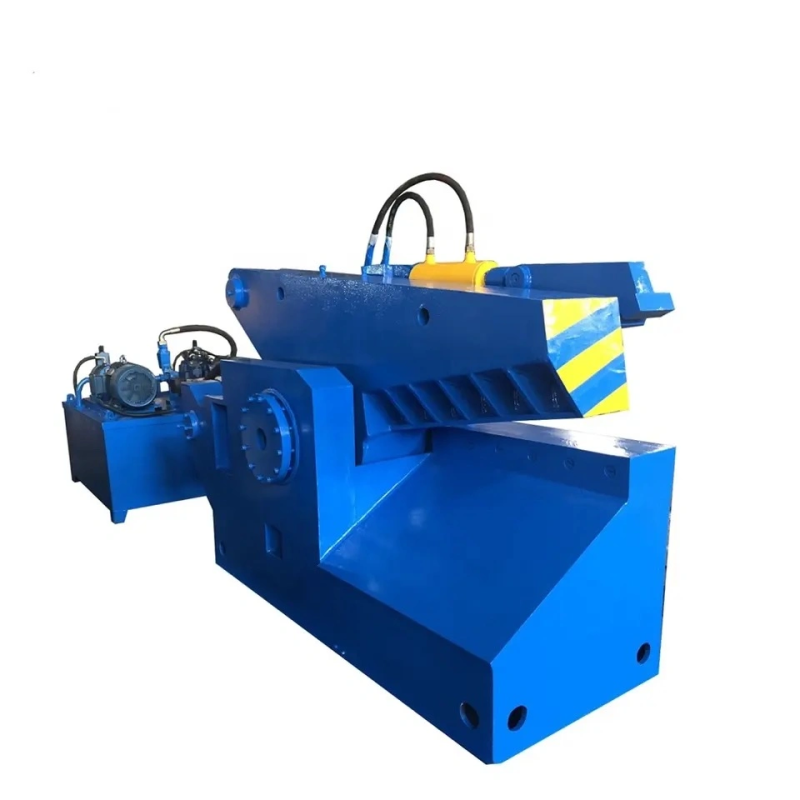
The hydraulic alligator shear serves as the critical middle-ground solution. It delivers immense, localized cutting power without demanding extensive yard space. Operators gain the ability to process complex, varied scrap streams rapidly while maintaining high safety standards.
This article provides a practical, specification-driven guide. We will help you evaluate, size, and select the appropriate equipment based on engineering realities. You will learn how to align machine capabilities with verifiable throughput metrics, ensuring your yard operates at peak mechanical efficiency.
Key Takeaways
Targeted Efficiency: Crocodile shears are purpose-built for cleaning non-ferrous metals, cutting rebar, and preparing pipes/extrusions, significantly lowering labor costs per ton.
Sizing Matters: Blade length (typically 400mm to 1000mm+) and cutting force (tonnage) must align precisely with your maximum material cross-section, not just average scrap size.
Hidden Costs: True ROI depends on blade lifecycle (reversibility), hydraulic system accessibility, and standard parts availability, not just the initial purchase price.
Safety & Compliance: Modern units require robust operator guards, anti-tie-down foot pedals, and CE/OSHA compliance to mitigate inherent mechanical risks.
The Business Case: Why Transition to a Dedicated Scrap Metal Shear?
Bridging the Efficiency Gap
Manual cutting tools create massive bottlenecks in high-volume recycling yards. Relying on oxy-acetylene torches and heavy angle grinders quickly becomes a major operational liability. They require constant consumable replacements, demand intense physical labor, and severely limit the volume of metal a single worker can process daily. You eventually reach a breaking point where manual processing restricts your facility's output capacity. Transitioning to a mechanical shear fundamentally changes this dynamic. A single operator can reduce tons of varied metal per shift, transforming a slow manual chore into a streamlined industrial process.
Space and Infrastructure Realities
When upgrading processing capabilities, physical space remains a premium commodity. Heavy-duty baler-shear combinations require massive operational zones. You often need deep concrete foundations, heavy electrical service upgrades, and wide lanes for constant excavator loading. In contrast, a dedicated scrap metal shear offers an exceptionally compact physical footprint. You can position these units in tight corners or specific sorting bays without disrupting yard traffic. They require minimal site preparation, allowing you to plug them in and begin shearing immediately.
Material Upcycling and Clean Separation
Clean, precise cutting directly upgrades the market grading of your scrap. Scrap buyers penalize mixed metals. You must strip ferrous attachments, bolts, and steel brackets from valuable non-ferrous components. A mechanical shear allows operators to cleanly snap these connections. By successfully separating clean copper, aluminum, or brass from lower-value steel, you instantly elevate the scrap's tier. This clean cutting prevents the contamination issues commonly caused by thermal torching, which often melts different metals together.
Risk Mitigation and Fire Prevention
Safety protocols demand strict control over ignition sources. Thermal cutting on oily, painted, or highly mixed scrap introduces constant fire hazards. Sparks and molten slag easily ignite residual fluids inside engine blocks or greasy piping. Cold mechanical shearing eliminates these severe thermal risks entirely. By removing the open flame from your sorting process, you create a vastly safer environment for your personnel and protect your facility from catastrophic fire incidents.
Core Applications for the Crocodile Cutter in Recycling
Modern recycling streams demand versatile processing equipment. A properly specified crocodile cutter handles an impressive array of materials.
Non-Ferrous Cleaning and Separation
Non-ferrous materials represent the highest value streams in most yards. Aluminum extrusions, old window frames, structural siding, and vehicle radiators frequently arrive in awkward, bulky dimensions. Workers must meticulously strip attachments from copper piping and heavy brass fluid fittings.
When evaluating equipment for non-ferrous tasks, you must look closely at variable stroke control. Operators require nuanced control over the descending blade. They need to snap a steel bracket without totally flattening a delicate aluminum tube. Over-crushing makes subsequent processing or smelting much more difficult. Responsive hydraulic foot pedals allow the operator to feather the blade, applying just enough pressure to break the joint cleanly.
Ferrous Processing and Bar Cropping
Heavy industrial dismantling tasks produce notoriously tough materials. Yards routinely receive thick rebar, heavy steel scaffolding tubes, and light structural I-beams. Processing these rigid metals requires immense brute force and stability.
The primary evaluation lens here involves heavy-duty hold-down clamps. When a high-tonnage blade strikes a thick piece of high-tensile steel, the material violently resists the cut. It often attempts to kick back or flip upward toward the operator. A robust mechanical or hydraulic hold-down clamp physically restrains the steel bar against the bed. This prevents dangerous kickback, ensures a perfectly square cut, and protects the operator from sudden material shifts.
Cable and Wire Recovery
Insulated wire and thick armored cables present unique challenges. You cannot feed heavy, rigid industrial cables directly into standard granulators. You must pre-cut them into short, manageable lengths.
This specific application demands exceptional blade precision and extremely tight jaw overlap tolerances. Multi-strand copper wire behaves differently than solid steel. If the gap between the passing blades is too wide, the flexible wires will simply fold over. They pull down into the gap, immediately jamming the machine. You need tight tolerances that create a clean, scissor-like slicing action through thick insulation and fine wire alike.
Evaluating a Metal Shearing Machine: Features to Outcomes
Choosing the optimal metal shearing machine means translating technical specifications into real-world operational outcomes.
Cutting Force vs. Material Cross-Section
Hydraulic tonnage serves as the primary metric for machine power, but it requires careful interpretation. A 40-ton machine easily manages light aluminum profiles. However, dense materials like solid steel shafting demand 100-ton, 120-ton, or even larger capacities.
You must maintain a highly skeptical approach toward manufacturer claims based on hollow materials. A machine might easily crush and shear a large-diameter hollow exhaust pipe because the wall thickness remains minimal. That same machine will stall against a much smaller diameter solid steel round bar. Always base your sizing decisions on solid material cross-sections.
Standard construction rebar, scaffolding, brass valves
35mm - 45mm
120 - 160+ Tons
Heavy I-beams, thick steel shafts, heavy armored cable
50mm and above
Blade Length and Jaw Opening Specs
Blade length correlates directly with your processing speed and workflow. Longer blades allow operators to place several smaller pieces of scrap along the cutting edge, shearing them all in a single downward stroke. However, structural physics dictate that the maximum cutting force always resides closest to the jaw pivot point, known as the fulcrum. Operators must feed the thickest, hardest materials deep into the throat of the machine.
Simultaneously, the jaw opening dimensions dictate the maximum physical size of scrap you can process. A machine could boast 200 tons of cutting force, but if the jaws only open 250mm wide, you cannot process large engine blocks or bulky frames. Ensure the maximum opening accommodates your most awkward feedstocks.
Cycle Times and Hydraulic Efficiency
Throughput heavily depends on cuts-per-minute (CPM) capabilities. When reviewing specifications, you must clearly distinguish between a dry cycle time and an actual operational cycle time. Dry cycles represent the machine opening and closing completely empty. Real-world operations under heavy load will run slower.
For high-volume yards running multi-shift operations, continuous hydraulic fluid cooling becomes critical. Continuous shearing generates immense heat. Without industrial air or water-cooled systems, the hydraulic fluid loses its viscosity. Thin, overheated fluid causes the machine to lose cutting force and drastically extends cycle times.
Implementation Realities: Maintenance and Safety
Long-term success with a hydraulic alligator shear relies entirely on proactive maintenance and rigorous safety standards.
Blade Lifecycle and Replacement
Minimizing downtime requires intelligent blade design. You should specify equipment featuring 4-edge reversible cutting blades. During heavy daily use, edges inevitably dull. With a reversible design, an operator simply unbolts the blade, rotates it to expose a fresh, sharp edge, and bolts it back down. You essentially get four lifecycles out of a single piece of steel before requiring external sharpening or replacement.
Avoid machines requiring highly proprietary, unusually shaped blades. Focus on units utilizing standard, high-grade tool steel like H13. Standardized profiles allow you to source replacements or utilize local machine shops, preventing extended downtime while waiting on specific overseas shipments.
Operator Safety and Ergonomics
Mechanical shearing involves extreme hydraulic forces, creating severe severing and crushing hazards. Robust physical guarding is absolutely essential. Heavy steel shields must cover the moving cutting head and all internal pivot points.
Foot pedals must feature heavy metal shrouds. This prevents a falling piece of heavy scrap from accidentally striking the pedal and actuating the blade while the operator's hands are near the danger zone. Furthermore, adjustable working heights drastically reduce physical fatigue. An operator spending eight hours lifting metal requires a machine bed set at an ergonomically correct height to maintain focus and prevent back injuries.
Greasing pivot pins: Apply high-pressure industrial grease daily to the main jaw fulcrum. This prevents severe metal-on-metal galling under heavy tonnage.
Checking hydraulic hose integrity: Inspect exterior hose jackets weekly. Look for abrasions, bulges, or weeping fluid to prevent sudden high-pressure blowout hazards.
Adjusting blade gap tolerances: Regularly check and tighten the gap between the passing blades. A loose gap forces thin materials to bend and jam rather than cleanly shear.
Monitoring fluid levels and filters: Check hydraulic reservoirs and replace return-line filters on schedule to keep internal valves free of metallic debris.
Shortlisting Logic: How to Vet a Crocodile Shear Metal Supplier
Evaluating a crocodile shear metal equipment supplier requires looking past marketing claims. You must verify actual engineering quality.
Demonstrable Proof of Concept
Do not rely entirely on standard specification sheets. Demand verifiable video evidence or request a live demonstration. The manufacturer should confidently show the machine processing your specific type of material. A shear that effortlessly cuts soft mild steel bars might fail completely when attempting to snap high-tensile structural wire or thick stainless steel.
Component Transparency
Investigate the origin and brand of all critical internal components. You must know who manufactures the hydraulic pumps, directional control valves, and electric motors. Using standardized, globally recognized name-brand hydraulics guarantees that local fluid power shops can service your machine. Obscure, unbranded internal components lead to massive diagnostic headaches and extensive downtime.
Warranty and Parts SLA
Review the Service Level Agreements (SLA) for replacement parts carefully. A strong warranty is useless if the supplier takes several weeks to ship a basic hydraulic seal kit. Verify that the supplier maintains a robust domestic inventory of critical wear parts. Your processing yard cannot afford to halt production while waiting on basic structural components.
Conclusion
Integrating a dedicated hydraulic alligator shear represents a fundamental upgrade in your yard's processing capabilities. It delivers consistent, high-volume throughput while vastly optimizing the market value of cleanly separated metals.
When sizing your machine, strictly evaluate your requirements based on maximum solid material density, rather than just the average physical size of your scrap. Prioritize robust operator safety guarding, ergonomic controls, and highly accessible maintenance points to ensure long-term operational success.
To take the next step, we strongly encourage requesting a detailed technical consultation. Submit your most difficult scrap samples for live factory testing, or download comprehensive specification charts to match the exact cutting force to your facility's daily demands.
FAQ
Q: What is the maximum thickness of steel a crocodile shear can cut?
A: It depends entirely on the machine's tonnage and the steel's tensile strength. A 60-ton shear might comfortably cut a 40mm mild steel round bar. However, capacity drops significantly for higher-grade, harder alloys. Always refer strictly to the manufacturer's solid-round capacity chart rather than generalized tonnage claims.
Q: How often do alligator shear blades need to be replaced?
A: Blade lifespan varies greatly by usage frequency and material type. Cutting clean, soft aluminum extends life considerably. Processing dirty, abrasive steel dulls edges much faster. Standard reversible 4-edge blades typically last several months per edge under normal, single-shift daily operations before requiring a flip.
Q: Can a hydraulic alligator shear operate continuously?
A: Yes, it can operate continuously across multiple shifts. However, the hydraulic system must be equipped with an adequate continuous cooling system. Air or water-cooled heat exchangers are vital. They maintain proper fluid viscosity during sustained operations, preventing power loss and internal seal damage.
Q: What is the difference between an alligator shear and a guillotine shear?
A: Alligator shears use a hinged jaw, creating a scissor-like action. They are highly ideal for long, varied pieces and manual feeding by operators. Guillotine shears drop a massive straight blade vertically. They process enormous, bulk-fed materials via mechanical loaders, requiring significantly larger facility space.
Dezhou Shengxin Machinery Equipment Co., Ltd. is a company specializing in the production of balers, integrating R&D, production, sales and service, and has a complete and scientific quality management system.
Add: No. 2 Workshop, No. 66, South of Provincial Highway 353, Luoli Village, Taitousi Town, Canal Economic Development Zone, Dezhou City, Shandong Province