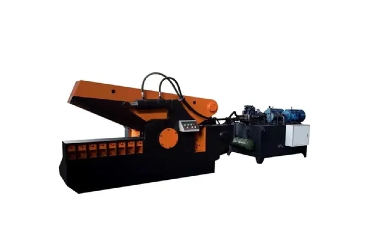
A shearing machine is an essential piece of equipment in modern metalworking and industrial production. Its primary function is to cut metal sheets, plates, and profiles into precise shapes and sizes. Unlike other cutting methods such as laser or plasma cutting, shearing machines perform straight-line cuts efficiently, with minimal material waste and high production speed. These qualities make shearing machines ideal for both small-scale workshops and large industrial factories.
One critical question that often arises is: how thick of a metal can a shear cut? Understanding the cutting capacity of a shearing machine is crucial for manufacturers to select the right equipment and plan production processes efficiently. The thickness a machine can handle directly impacts productivity, safety, and material selection, making it a vital consideration in any workshop or industrial facility.
Types of Shearing Machines and Their Cutting Capacity
Shearing machines come in various types, each designed to meet different production needs and handle different metal thicknesses. Here, we explore the most common types.
Mechanical Shearing Machines
Mechanical shearing machines are driven by a flywheel and crank mechanism. They are simple, cost-effective, and suitable for cutting thinner metal sheets. Depending on the design and power of the machine, mechanical shears typically handle thin sheets of metal, such as low-carbon steel or aluminum, within limited thickness ranges. They are ideal for small to medium-sized workshops where efficiency and low operational costs are required.
Hydraulic Shearing Machines
Hydraulic shearing machines are widely used in industrial applications due to their strong cutting power and ability to handle thicker metal plates. These machines operate using a hydraulic system to drive the cutting blade, providing smooth and consistent pressure. Depending on the model and the hardness of the material, hydraulic shears can cut metal plates ranging from 20 mm up to 100 mm in thickness. Their versatility and precision make them suitable for a wide range of applications, from automotive manufacturing to construction materials processing.
CNC (Computer Numerical Control) Shearing Machines
CNC shearing machines represent the advanced end of the spectrum. With computer control, they can achieve high precision and customizable cutting lengths and thicknesses. The cutting capacity of a CNC shear depends on its configuration, hydraulic power, and the type of material being cut. These machines are particularly valuable in high-volume production lines where accuracy, repeatability, and the ability to handle complex cutting tasks are essential.
Factors Affecting the Cutting Thickness of Shearing Machines
Several factors determine how thick a metal a shearing machine can cut. Understanding these variables helps operators choose the right machine and optimize the cutting process.
Type of Metal
Different metals have varying hardness, ductility, and tensile strength, all of which affect the maximum cutting thickness. For example:
Carbon Steel: Commonly used in industrial applications, carbon steel has medium hardness and is easy to shear with most shearing machines. It allows efficient cutting with minimal wear on standard blades.
Low-Alloy Steel: Stronger and harder than carbon steel, low-alloy steel may require higher cutting force and more robust shearing machines to achieve clean cuts without overloading the equipment.
Aluminum Alloy: Aluminum alloys are softer and easier to cut, but they may bend or warp if not properly supported during shearing, requiring auxiliary supports or careful handling.
Copper Plates: Copper is ductile yet tough, demanding careful blade selection and pressure adjustment on a shearing machine to prevent deformation and ensure clean, accurate cuts.
Blade Material and Angle
The cutting blade is one of the most critical components influencing a shearing machine’s performance. High-speed steel (HSS) blades provide excellent toughness and moderate durability, while carbide-tipped blades offer superior hardness and long-lasting wear resistance. Blade angle also significantly affects cutting efficiency: a sharper angle is ideal for thin sheets to achieve clean, precise cuts, whereas a more obtuse angle is necessary for thicker or harder metals to minimize wear, prevent damage, and ensure consistent cutting quality over time.
Machine Power and Structural Rigidity
The cutting capacity of a shearing machine is heavily dependent on its power source and structural strength. In hydraulic shears, higher hydraulic pressure enables thicker metal to be sheared efficiently, while in mechanical and CNC shears, a more powerful motor directly improves cutting performance. Additionally, the rigidity of the machine frame and precision of the guide rails are vital, as they prevent deformation of thick plates and maintain stable, accurate cuts even under high stress conditions during continuous industrial operations.
Safety and Cut Quality
Cutting ultra-thick or hard metals places significant stress on a shearing machine, increasing the risk of blade damage, machine overload, and operational hazards. To ensure safe and effective cutting, proper maintenance routines must be followed, including correct blade clearance, lubrication, and calibration. Controlled cutting speeds, combined with operator training and monitoring, help achieve clean cuts with minimal burrs, protect the machine from excessive wear, and maintain consistent cut quality across all production runs.
Common Metal Thickness Reference Table
Metal Type | Mechanical Shearing Machine | Hydraulic Shearing Machine | CNC Shearing Machine |
Low-Carbon Steel | 1–10 mm | 10–50 mm | Depending on configuration |
Stainless Steel | 0.5–6 mm | 6–25 mm | Depending on configuration |
Aluminum Sheet | 1–12 mm | 12–40 mm | Depending on configuration |
This table serves as a general guideline. Actual cutting capacity varies depending on machine model, blade type, and metal properties.
Solutions to Increase Cutting Thickness
For manufacturers needing to shear thicker metals, several solutions can improve capacity and efficiency:
Increase Hydraulic Pressure or Use a Higher-Power Machine
Upgrading to a stronger hydraulic system or a higher-power motor allows a shearing machine to cut thicker plates more efficiently. This not only enhances productivity but also reduces the risk of machine overload, ensuring smoother operation and longer equipment lifespan.
Choose Suitable Blades
Selecting high-quality HSS or carbide-tipped blades and properly adjusting the blade angles can significantly extend a machine’s cutting capacity. Optimized blades reduce wear and tear, provide cleaner cuts, and allow the shear to handle harder or thicker metal plates without compromising precision.
Segmented Cutting
For extremely thick plates, performing cuts in multiple stages helps reduce mechanical stress on the shearing machine. This approach prevents blade damage, minimizes deformation of the metal, and maintains consistent cut quality across the entire workpiece, ensuring reliable results for demanding applications.
Use Auxiliary Support Equipment
Using roller supports, clamps, or other auxiliary equipment helps stabilize the metal during cutting. This reduces bending, warping, and vibration, improving overall cut quality. Additionally, it enhances operator safety by keeping heavy or thick plates securely positioned throughout the shearing process.
Conclusion
The cutting thickness of a shearing machine depends on several key factors: machine type, metal material, blade quality, and operational parameters. Mechanical shears are suitable for thin sheets, hydraulic shears for medium to thick plates, and CNC shears offer precision and flexibility. Proper use of a shearing machine not only ensures clean, accurate cuts but also extends blade life and maintains safe operation.
For businesses seeking reliable and high-performance shearing machines, Dezhou Shengxin Machinery Equipment Co., Ltd. offers a comprehensive range of industrial shears designed to meet diverse production needs. Their machines provide robust cutting power, precision, and durability, making them a trusted partner in metalworking and industrial manufacturing. To learn more about their equipment and capabilities, visit Dezhou Shengxin Machinery Equipment Co., Ltd. today and explore solutions tailored to your production requirements.


