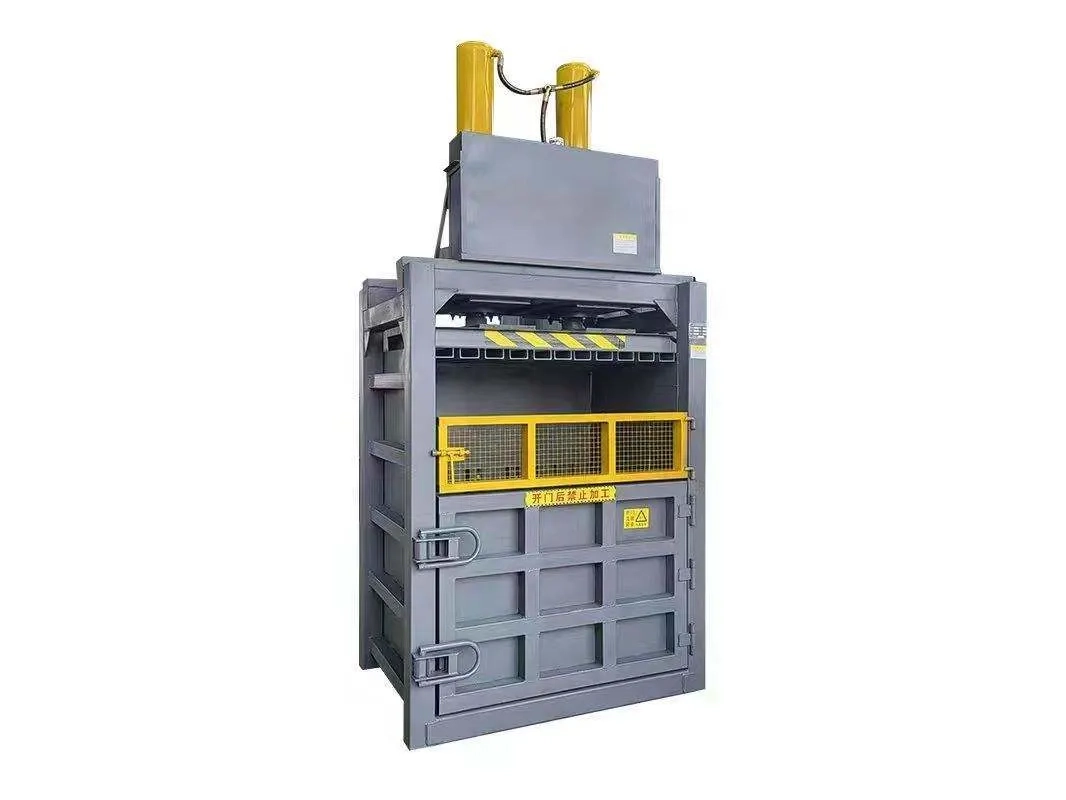
A vertical baler is a machine that compresses and bales materials such as cardboard, plastic, and paper. It is a key piece of equipment in many recycling and waste management operations. Operating a vertical baler safely and efficiently requires training and knowledge of the machine’s features and functions.
In this article, we will cover the key considerations for operating a vertical baler, including safety precautions, machine setup, material loading, baling cycle, and maintenance. By following these guidelines, operators can ensure safe and efficient operation of the vertical baler.
1. Safety precautions
Operating a vertical baler can be dangerous if proper safety precautions are not followed. It is important for operators to be aware of the potential hazards associated with the machine and to take steps to minimize the risks.
Common hazards associated with vertical balers
There are several common hazards associated with vertical balers, including:
Crushing and pinching hazards – The powerful compression force of the baler poses a risk of severe injury if body parts or clothing become caught in moving parts.
Hydraulic system malfunctions – Leaking hydraulic fluid or system failures can lead to unexpected machine operation or loss of pressure.
Ejection hazards – If materials are improperly loaded, they may be ejected from the baling chamber unexpectedly, causing injury.
Electrical hazards – Faulty wiring or improper electrical connections can pose the risk of electric shock or fire.
Slips, trips, and falls – Debris accumulation around the baler can create tripping hazards, and spilled hydraulic fluid may make surfaces slippery.
Safety precautions to take before operating a vertical baler
Before operating a vertical baler, it is important to take the following safety precautions:
Wear appropriate PPE (Personal Protective Equipment) – This includes gloves, safety glasses, steel-toed boots, and high-visibility clothing.
Ensure the area is clear – Keep the workspace around the baler free of obstructions, tripping hazards, and unauthorized personnel.
Verify the emergency stop button function – Test the emergency stop button to confirm it is operational before starting the baler.
Check for loose parts or damage – Inspect the baler for any signs of wear, loose bolts, or damaged hydraulic hoses.
Follow lockout/tagout (LOTO) procedures – If performing maintenance, always use LOTO to prevent accidental activation.
Emergency stop button
Vertical balers are equipped with an emergency stop button that can be used to stop the machine in case of an emergency. It is important for operators to know where the emergency stop button is located and how to use it.
Training and supervision
All operators of vertical balers should receive proper training before using the machine. This training should include information on how to operate the machine safely, as well as how to recognize and respond to potential hazards. In addition, operators should be supervised by a qualified person who can provide guidance and support as needed.
2. Preparing the machine
Before using a vertical baler, it is important to prepare the machine properly. This includes checking the hydraulic fluid level, ensuring the machine is clean and free of debris, and making sure all safety guards are in place.
Checking the hydraulic fluid level
One of the first steps in preparing a vertical baler for operation is to check the hydraulic fluid level. The hydraulic system is what powers the machine and compresses the material being baled. If the fluid level is too low, the machine may not operate properly or could be damaged. To check the fluid level, locate the reservoir and use the dipstick or sight glass to determine the level. If it is low, add the appropriate type of hydraulic fluid according to the manufacturer’s specifications.
Cleaning the machine
Another important step in preparing a vertical baler is to clean the machine. This includes removing any debris or material that may be stuck in the chute or other parts of the machine. A clean machine will operate more efficiently and reduce the risk of jams or other problems during operation.
Inspecting safety guards
Before operating a vertical baler, it is crucial to ensure that all safety guards are in place and functioning properly. These guards are designed to protect the operator from moving parts and potential hazards. If any guards are missing or damaged, do not operate the machine until they are repaired or replaced.
Testing the emergency stop button
It is also a good idea to test the emergency stop button before operating the machine. This button is a critical safety feature that allows the operator to quickly stop the machine in case of an emergency. Make sure it is easily accessible and functioning correctly.
3. Loading the material
Once the vertical baler is prepared for operation, the next step is to load the material into the machine. This process requires careful attention to ensure that the material is loaded correctly and safely.
Types of materials that can be baled
Vertical balers are commonly used to compress and bundle various types of materials, including:
Cardboard (OCC - Old Corrugated Cardboard) – Commonly used in retail and packaging industries.
Plastic (PET bottles, shrink wrap, plastic film) – Lightweight but can be compressed into dense bales.
Paper (newspaper, office paper, magazines) – Helps in recycling paper waste efficiently.
Aluminum cans – Requires significant compression but can be recycled for metal recovery.
Textiles (fabric scraps, clothing) – Used in textile recycling processes.
Some materials should not be placed in a vertical baler, such as hazardous materials, wet waste, glass, or sharp metal objects that could damage the machine.
How to load the material into the baler
Loading the material into the baler is a straightforward process, but it is important to follow the manufacturer’s instructions and guidelines. Here are some general steps to follow:
Open the baler’s loading door and place the materials inside the chamber.
Distribute the material evenly across the baling area. Avoid overfilling, as it may jam the machine.
Close the loading door securely before activating the baling cycle.
Importance of even distribution
When loading the material into the baler, it is crucial to distribute it evenly throughout the chamber. This ensures that the baler operates efficiently and produces a well-formed bale. Uneven distribution can lead to imbalances, jams, or incomplete bales.
Using a forklift or pallet jack
If you are loading large quantities of material or heavy bales, it may be necessary to use a forklift or pallet jack to move the material into position. Ensure that the loading area is clear and that you have a stable surface to operate on. Always follow proper safety protocols when using these equipment.
4. Operating the baler
After the material has been loaded into the vertical baler, the next step is to operate the machine to compress and form the bale. This process involves a series of steps that need to be followed carefully to ensure safety and efficiency.
Starting the baler
Before starting the baler, it is important to ensure that the area around the machine is clear of any obstructions or personnel. Once you have confirmed that it is safe to proceed, locate the power switch or button and turn on the machine. Some balers may require you to engage a safety lock or press a specific sequence of buttons to start.
Adjusting the bale size
Many vertical balers allow you to adjust the size of the bale being formed. This is typically done by changing the position of a metal plate or by adjusting the settings on a control panel. Refer to the manufacturer’s instructions to determine how to adjust the bale size for your specific machine. Setting the correct bale size will ensure that the bales are uniform and easier to handle.
Monitoring the baling process
Once the baler is in operation, it is important to monitor the baling process closely. Keep an eye on the material being compressed and ensure that it is evenly distributed within the chamber. If you notice any unusual noises, vibrations, or signs of a jam, be prepared to stop the machine immediately.
Stopping the baler
To stop the baler, locate the emergency stop button and press it if necessary. Otherwise, use the designated stop button or switch to turn off the machine. Allow the baler to come to a complete stop before approaching it to remove the finished bale.
5. Maintenance
Proper maintenance is crucial for the longevity and optimal performance of a vertical baler. Regular upkeep ensures that the machine operates efficiently and reduces the risk of breakdowns or malfunctions. Here are some key maintenance tasks to consider:
Daily maintenance tasks
Performing daily maintenance tasks is essential for keeping the baler in good working condition. These tasks may include:
Check for hydraulic leaks – Inspect the hoses and connections for any signs of fluid leakage.
Inspect safety switches and guards – Ensure all safety mechanisms are in place and working correctly.
Remove dust and debris – Clean the machine regularly to prevent buildup that could affect performance.
Lubrication points
Vertical balers have various moving parts that require lubrication to function smoothly. Consult the manufacturer’s manual to identify the lubrication points and the appropriate lubricant to use. Regularly lubricating these points helps prevent friction and wear, extending the life of the machine.
Cleaning the baler
After each use, it is important to clean the baler thoroughly. Remove any leftover material from the chamber, chute, and other accessible areas. Use a brush or compressed air to dislodge any stubborn debris. Keeping the baler clean prevents contamination and ensures optimal performance.
Inspecting components for wear and tear
Regularly inspect the baler’s components for signs of wear and tear. This includes checking belts, chains, hydraulic hoses, and other parts that are prone to wear. If any components show signs of damage or deterioration, replace them promptly to avoid further issues.
Scheduled maintenance
In addition to daily maintenance tasks, it is important to schedule regular maintenance checks for the vertical baler. This may involve more in-depth inspections and servicing by a qualified technician. Follow the manufacturer’s recommendations for maintenance intervals and procedures.
Keeping records of maintenance and repairs
Maintaining a log of all maintenance and repairs performed on the baler is crucial. This record helps track the machine’s history, identify recurring issues, and plan for future maintenance needs. It also provides valuable information for technicians during servicing.
6.Conclusion
Operating a vertical baler requires knowledge, training, and adherence to safety precautions. By following the guidelines outlined in this article, operators can ensure safe and efficient operation of the machine. Remember to prioritize safety, properly prepare the machine, load materials correctly, operate the baler according to instructions, and perform regular maintenance. With proper care and attention, a vertical baler can be a valuable asset in recycling and waste management operations.


