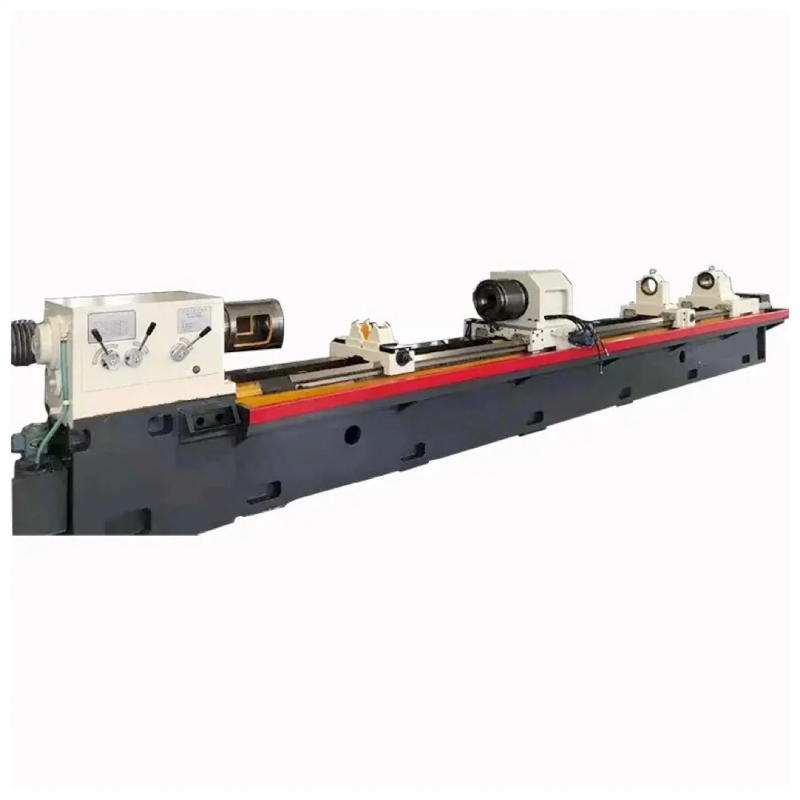
Have you ever wondered how industries create precise, deep holes? Deep hole drilling is a specialized technique essential for modern manufacturing. Understanding this process is crucial for industries like aerospace and automotive. In this post, you’ll learn about deep hole drilling, its definition, and its significance in various applications.
Understanding Deep Hole Drilling
What is the Depth-to-Diameter Ratio?
Deep hole drilling is defined by its depth-to-diameter ratio, often referred to as D:d. This ratio measures the relationship between the depth of a hole and its diameter. For instance, if a hole is 10 inches deep and 1 inch wide, its ratio is 10:1.
A ratio greater than 10:1 is significant because it indicates that the hole is classified as "deep." This classification is crucial for various manufacturing processes, as it affects the choice of drilling techniques and tools. For example, deeper holes require specialized drilling methods to ensure precision and efficiency.
Historical Context
The origins of deep hole drilling can be traced back to the need for creating straight, accurate gun barrels. As technology advanced, the applications expanded beyond firearms. Today, deep hole drilling is essential in industries such as aerospace, automotive, and medical device manufacturing.
Over time, techniques and tools have evolved significantly. Initially, traditional drilling methods were used, but they often fell short in achieving the required precision for deep holes. Now, advanced methods like BTA (Boring and Trepanning Association) drilling and gun drilling are commonly employed.
Technique | Description | Typical Applications |
BTA Drilling | Uses a single tube for efficient material removal | Larger holes (20-200 mm) |
Gun Drilling | Employs a long, slender drill bit for accuracy | Smaller holes (1-50 mm) |
These advancements have made it possible to achieve depth-to-diameter ratios exceeding 400:1, which is a testament to the progress in deep hole drilling technology. The evolution of these techniques reflects the industry's ongoing quest for precision and efficiency in manufacturing processes.
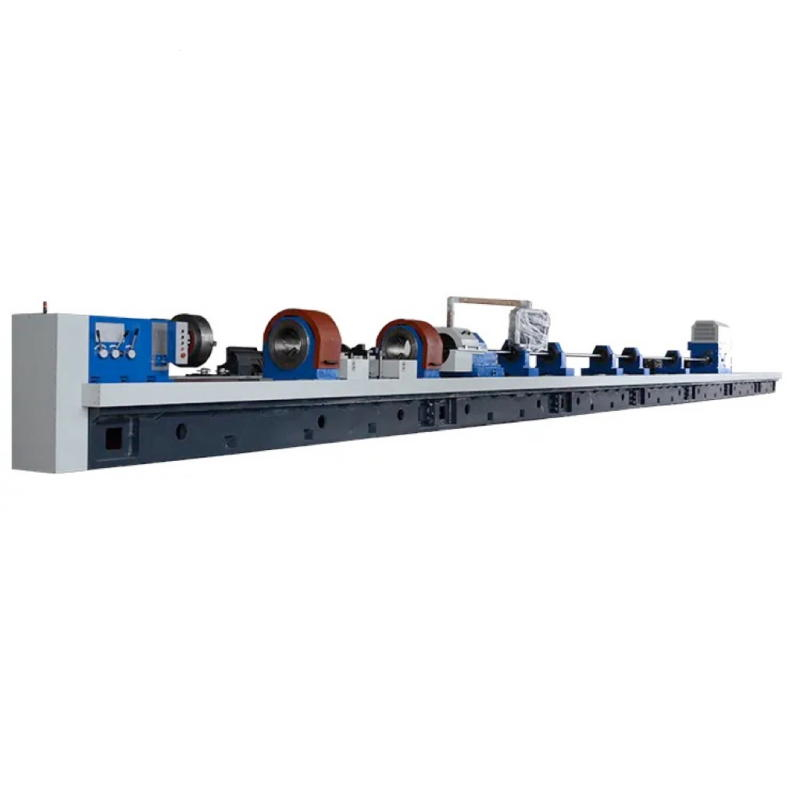
The Deep Hole Drilling Process
How Does Deep Hole Drilling Work?
Deep hole drilling involves specialized techniques designed to create precise, deep holes in various materials. The process begins with the selection of appropriate tools and equipment. The mechanics of deep hole drilling rely on delivering high-pressure coolant to the cutting area, which helps to manage heat and remove chips effectively.
One of the key tools used in this process is the gundrill. Gundrills are long, slender drill bits designed specifically for drilling deep holes. They feature a unique geometry that allows them to maintain accuracy over significant depths. Another important tool is the BTA (Boring and Trepanning Association) tool, which is ideal for larger diameter holes.
Specialized Tools Overview
Tool Type | Description | Typical Diameter Range |
Gundrill | Designed for small, precise holes | 1 – 50 mm |
BTA Tool | Efficient for larger holes | 20 – 200 mm |
Both tools utilize high-pressure coolant systems to enhance performance. The gundrill introduces coolant through its center, while the BTA tool circulates coolant around its exterior. This ensures effective chip removal and cooling, which are critical for maintaining drill integrity during deep hole operations.
Types of Deep Hole Drilling Techniques
BTA Drilling
BTA drilling is particularly effective for creating larger holes ranging from 20 to 200 mm in diameter. This technique uses a single tube to remove material efficiently, allowing for continuous chip evacuation. The high-pressure coolant is introduced around the tool, which helps to lubricate the cutting edge and cool the drill bit during operation.
The BTA method is favored in industries that require large, deep holes, such as aerospace and automotive manufacturing. It is known for its speed, often performing 5 to 7 times faster than other methods.
Gun Drilling
On the other hand, gun drilling is used for smaller holes, typically between 1 and 50 mm in diameter. This method employs a long, slender drill bit that allows for exceptional accuracy and surface finish. Similar to BTA drilling, gun drilling also utilizes high-pressure coolant, but in this case, the coolant is introduced through the spindle of the machine.
Gun drilling is particularly useful in applications where tight tolerances are essential, such as in the production of medical devices or intricate automotive components.
Comparison of Techniques
When comparing BTA and gun drilling techniques, both have their strengths and applications. Here’s a quick overview:
Technique | Diameter Range | Coolant Method | Typical Applications |
BTA Drilling | 20 – 200 mm | Coolant around the tool | Aerospace, automotive |
Gun Drilling | 1 – 50 mm | Coolant through the spindle | Medical devices, intricate parts |
Understanding these techniques helps manufacturers choose the right method for their specific needs. Each technique offers unique advantages, making them suitable for different applications in modern manufacturing.
Key Features of Deep Hole Drilling
Precision and Accuracy
Precision is a cornerstone of deep hole drilling. Achieving tight tolerances is crucial for many applications, especially in industries like aerospace and medical device manufacturing. Deep hole drilling techniques are specifically designed to ensure that the holes produced are not only deep but also incredibly precise.
To accomplish this, specialized tools like gundrills and BTA tools are employed. These tools are engineered to minimize runout and maintain straightness over long distances. As a result, manufacturers can expect superior surface finishes and straightness in their workpieces.
Achieving Tight Tolerances
When we talk about tolerances, we're referring to the allowable deviations from specified dimensions. Deep hole drilling can achieve tolerances as tight as ±0.01 mm. This level of precision is vital for components that fit together in complex assemblies, such as engine parts or surgical instruments.
Chip Removal and Cooling Systems
Effective chip removal and cooling are essential in deep hole drilling. High-pressure coolant systems play a significant role in this process. These systems not only help in cooling the drill bit but also aid in removing chips from the cutting area.
Methods for Effective Chip Evacuation
There are several methods for ensuring effective chip evacuation during deep hole drilling:
● High-Pressure Coolant Injection: This method introduces coolant directly to the cutting edge, helping to flush out chips as they are produced.
● Vacuum Systems: Some setups use vacuum systems to pull chips away from the drilling area, preventing clogging and ensuring a smooth drilling process.
Managing cutting heat is crucial, as excessive heat can lead to tool wear and reduced accuracy. Adequate lubrication provided by the coolant not only cools the drill bit but also reduces friction, enhancing tool life and performance.
Importance of Managing Cutting Heat
Heat management is critical in deep hole drilling. If temperatures rise too high, it can lead to thermal expansion, which affects hole dimensions and surface quality. Therefore, maintaining optimal temperatures through effective cooling systems is essential.
Feature | Importance | Benefits |
Precision | Achieves tight tolerances | Ensures proper fit in assemblies |
Chip Removal | Prevents clogging and maintains drilling efficiency | Enhances overall productivity |
Cooling Systems | Reduces heat and friction | Extends tool life and improves accuracy |
By focusing on these key features, deep hole drilling stands out as a highly effective method for producing precise, deep holes in various materials. This combination of precision, effective chip removal, and cooling systems makes it a preferred choice in demanding manufacturing environments.
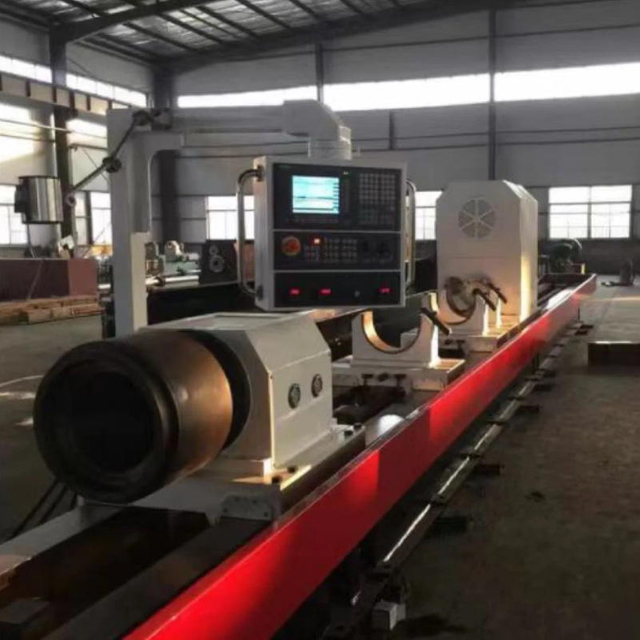
Applications of Deep Hole Drilling
Industries Utilizing Deep Hole Drilling
Deep hole drilling is vital across various industries, each benefiting from its unique capabilities.
Aerospace
In the aerospace sector, deep hole drilling is crucial for manufacturing components like landing gear and structural supports. These parts require precision and reliability, as they are subject to extreme conditions. The ability to create deep, accurate holes ensures that components fit together perfectly, contributing to overall flight safety.
Automotive
The automotive industry also relies heavily on deep hole drilling. Applications include crankshafts and fuel injectors, where precision is paramount. For crankshafts, deep holes reduce weight while maintaining strength. Fuel injectors benefit from tight tolerances, ensuring efficient fuel delivery and improved engine performance.
Medical Devices
In the medical device field, deep hole drilling is essential for producing instruments and implants. The precision required for surgical tools is incredibly high, as even minor deviations can affect functionality. Deep hole drilling allows manufacturers to produce complex geometries necessary for devices like orthopedic implants and catheters.
Oil and Gas
The oil and gas industry utilizes deep hole drilling for creating exploration tools and drilling equipment. This industry often requires deep, narrow holes to access resources buried beneath the earth's surface. The ability to drill deep and accurately ensures efficient extraction of oil and gas, making it a critical application of this technique.
Case Studies and Examples
Real-world examples demonstrate the effectiveness of deep hole drilling in various industries.
● Hydraulic Cylinder Industry: Deep hole drilling is used to manufacture hydraulic cylinders, which require precise bore diameters and lengths. The ability to produce long, straight holes enhances the performance and longevity of hydraulic systems.
● Landing Gear Actuators: In aerospace, landing gear actuators benefit from deep hole drilling techniques. These components require deep holes to accommodate the intricate mechanisms that allow for reliable operation during takeoff and landing.
Industry | Application | Key Benefits |
Aerospace | Landing gear components | Precision and reliability |
Automotive | Crankshafts, fuel injectors | Weight reduction and improved performance |
Medical Devices | Surgical instruments | High precision for safety |
Oil and Gas | Exploration tools | Efficient resource extraction |
These examples highlight how deep hole drilling enhances performance and reliability across diverse applications. The technique's ability to meet stringent industry standards makes it indispensable in modern manufacturing.
Advantages of Deep Hole Drilling
Industries Utilizing Deep Hole Drilling
Deep hole drilling offers numerous advantages across various industries, making it a critical technique in modern manufacturing.
Aerospace
In the aerospace industry, deep hole drilling is essential for producing components like landing gear and fuselage structures. These parts must withstand extreme forces and conditions, so precision is non-negotiable. The ability to create deep, accurate holes ensures that the components fit perfectly, enhancing overall safety and performance.
Automotive
The automotive sector benefits significantly from deep hole drilling, particularly in manufacturing crankshafts and fuel injectors. Crankshafts require deep holes to reduce weight while maintaining strength, which is vital for engine efficiency. Fuel injectors, on the other hand, depend on tight tolerances to ensure proper fuel delivery, improving combustion efficiency and reducing emissions.
Medical Devices
Medical devices also rely on deep hole drilling for producing surgical instruments and implants. The precision required in these applications is incredibly high. Deep hole drilling techniques allow manufacturers to create complex geometries necessary for devices like orthopedic implants, ensuring they perform reliably in critical situations.
Oil and Gas
In the oil and gas industry, deep hole drilling is used to create exploration tools and drilling equipment. This sector often requires deep, narrow holes to access resources buried deep underground. The efficiency of deep hole drilling directly impacts the effectiveness of resource extraction, making it a vital process in this field.
Case Studies and Examples
Real-world applications illustrate the effectiveness of deep hole drilling in various industries.
● Hydraulic Cylinder Industry: In this industry, deep hole drilling is utilized to manufacture hydraulic cylinders. These components require precise bore diameters and lengths to function correctly. The deep hole drilling process enhances the performance and durability of hydraulic systems.
● Landing Gear Actuators: In aerospace, landing gear actuators benefit from deep hole drilling techniques. These components require deep holes to accommodate intricate mechanisms, ensuring reliable operation during takeoff and landing.
Industry | Application | Key Benefits |
Aerospace | Landing gear components | Precision and reliability |
Automotive | Crankshafts, fuel injectors | Weight reduction and improved performance |
Medical Devices | Surgical instruments | High precision for safety |
Oil and Gas | Exploration tools | Efficient resource extraction |
Challenges Addressed by Deep Hole Drilling
Deep hole drilling effectively addresses several challenges associated with standard drill bits in deep hole machining. Traditional drilling methods often struggle with issues like chip removal, heat buildup, and maintaining straightness over long distances.
Deep hole drilling techniques, such as using specialized gundrills and BTA tools, overcome these limitations. They incorporate high-pressure coolant systems that enhance chip evacuation and cooling, thus maintaining tool integrity and precision. This advancement allows manufacturers to achieve deeper, more accurate holes than ever before, making deep hole drilling a preferred choice in demanding applications.
Conclusion
Deep hole drilling is essential in modern manufacturing, characterized by its precision and efficiency. It plays a critical role in various industries, including aerospace, automotive, medical devices, and oil and gas. The advantages of this technique include achieving tight tolerances and superior surface finishes. Companies like Shengxin excel in providing high-quality deep hole drilling services. Their products offer unique benefits that enhance operational efficiency and reliability. Explore Shengxin's offerings to discover how they can add value to your projects.
FAQ
Q: What is deep hole drilling?
A: Deep hole drilling is a specialized machining process used to create precise, deep holes in various materials.
Q: Why is deep hole drilling important in manufacturing?
A: Deep hole drilling is crucial for achieving tight tolerances and superior surface finishes, enhancing the quality of components.
Q: How is deep hole drilling different from standard drilling?
A: Unlike standard drilling, deep hole drilling uses specialized tools and techniques to maintain accuracy over longer distances.
Q: What industries benefit from deep hole drilling?
A: Industries like aerospace, automotive, and medical devices utilize deep hole drilling for its precision and efficiency.
Q: What are the advantages of deep hole drilling?
A: The advantages include improved dimensional accuracy, effective chip removal, and enhanced cooling, leading to better tool life.
Q: What factors affect the cost of deep hole drilling services?
A: Costs can vary based on material type, hole depth, and required tolerances in deep hole drilling applications.


