Prevent silage spoilage and mechanical failure. Upgrade to a heavy-duty round baler with reinforced chambers, pre-cutting rotors, and film binding for high-moisture crops.
Growing scrap yards eventually face a massive operational bottleneck. Processing heavy, oversized steel structures quickly becomes difficult. Manual labor costs balloon rapidly as tonnage scales up. Routine machine maintenance limits daily output. Torch cutting thick beams proves slow, dangerous, and highly expensive. Facilities transitioning from these manual methods demand a serious equipment upgrade. Automating your yard process ensures continuous, high-volume feeding. It streamlines workflow from intake to foundry-ready export.
Selecting the right equipment requires careful analysis of operational needs. You must look far beyond basic tonnage specifications. Buyers need to evaluate hydraulic reliability and overall blade life. Proper equipment evaluation guarantees sustained operational efficiency over time. Relying purely on marketing brochures often leads to poor integration. We will explore how to appropriately size these massive industrial machines. You will understand the mechanical advantages and crucial engineering specifications required. This guide provides a clear roadmap for upgrading your scrap yard infrastructure seamlessly.
Key Takeaways
Capacity threshold: Hydraulic guillotine shears are engineered for continuous, high-volume processing of heavy melting scrap (HMS) and structural steel, significantly outperforming manual or alligator alternatives.
Core evaluation metrics: Purchasing decisions must weigh cutting force (tonnage), cycle times, hydraulic system cooling, and blade maintenance accessibility.
Implementation reality: True ROI depends heavily on facility preparation, including reinforced concrete foundations, adequate power infrastructure, and preventative maintenance schedules.
Risk mitigation: Selecting the right machine involves auditing vendor support for hydraulic component availability and aftermarket service.
The Role of the Hydraulic Guillotine Shear in High-Volume Operations
Standard metal recycling equipment often struggles against thick I-beams, steel pipes, and heavy plates. Light-duty machines jam easily under heavy loads. Manual torch cutting incurs massive industrial gas costs. It demands extensive labor hours and introduces severe safety hazards. Operators face burn risks and noxious fumes daily. Yards relying on manual sizing simply cannot scale up efficiently. Processing heavy structural demolition scrap manually creates severe profit bottlenecks.
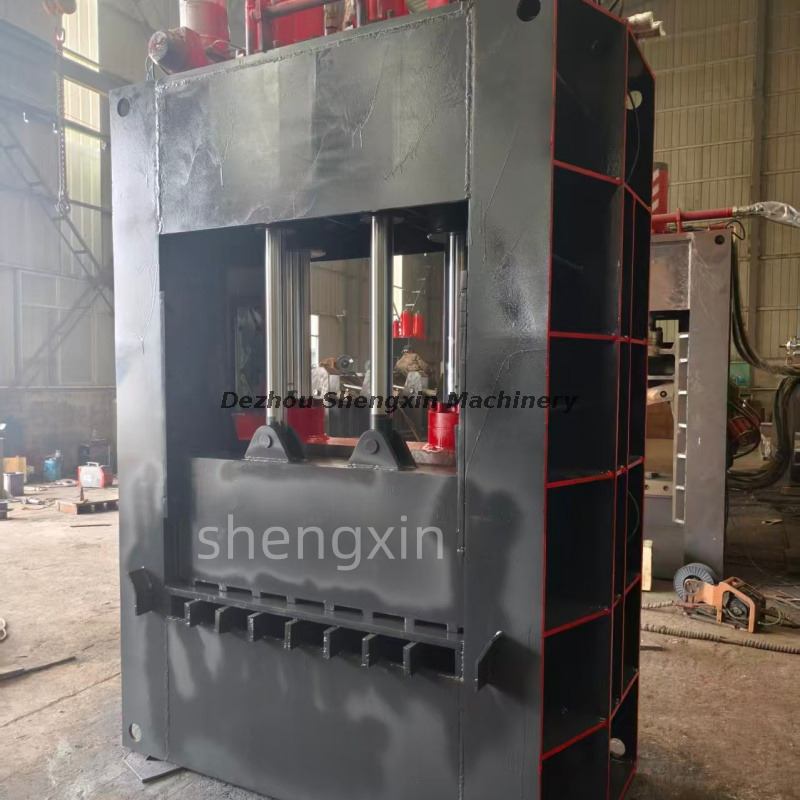
The guillotine design offers immense mechanical advantages for growing facilities. Operators feed material continuously via gravity chutes or heavy-duty conveyors. A massive downward cutting force easily slices through dense steel bundles. Robust hold-down clamps secure the metal tightly before the blade descends. This compression prevents dangerous material kickback. It also guarantees highly consistent scrap sizing. Foundries demand uniform pieces for optimal melting furnaces. Uniform scrap always commands premium market prices.
A successful deployment fundamentally transforms your core yard metrics. You should measure success by tracking specific operational indicators. We recommend monitoring the following success criteria post-installation:
Increased Tons-Per-Hour: Automation should double or triple your previous manual processing rates.
Consistent Scrap Density: Uniform pieces maximize transportation efficiency. Packing more weight into every truck significantly reduces freight costs.
True operational success means achieving continuous daily production safely. Upgrading solves these fundamental business problems directly.
Key Engineering Specifications to Evaluate a High Capacity Shear
Evaluating a high capacity shear demands strict attention to internal engineering details. Surface-level specifications rarely tell the whole story. You must dig into the hydraulic and mechanical architecture.
Cutting Force Sizing Requirements
Tonnage dictates your absolute cutting capabilities. You must closely match the cutting force to your primary material types. Undersized machines stall constantly during heavy loads. Oversized machines waste expensive electrical energy unnecessarily. To guide your sizing process, review the capacity chart below.
Shear Force (Tons)
Optimal Material Application
Typical Processing Volume
400 - 600
Mixed light scrap, aluminum profiles, thin pipe
Medium (10 - 15 Tons/Hour)
800 - 1000
HMS 1 & 2, standard I-beams, rebar bundles
High (15 - 25 Tons/Hour)
1000+
Heavy structural steel, railway tracks, ship plate
Ultra-High (25+ Tons/Hour)
Hydraulic System Architecture
Hydraulic system architecture determines your overall machine longevity. Focus heavily on continuous pressure stability. Massive hydraulic cylinders must operate smoothly under extreme resistance. High-volume yards require exceptionally robust fluid cooling systems. Continuous 24/7 operation generates immense thermal loads. Insufficient cooling destroys sensitive hydraulic seals very quickly. Quality manufacturers utilize oversized air or water coolers to maintain fluid integrity.
Blade Design and Reversibility
Blade design significantly impacts your routine maintenance downtime. Demand multi-edge, reversible shear blades. When one cutting edge dulls, maintenance staff simply rotate the blade. This smart design drastically reduces replacement frequency. High-quality forged tool steel prevents premature edge chipping. Poor blade quality halts production entirely during difficult structural cuts.
Hold-Down and Feeding Mechanisms
Hold-down mechanisms stabilize the loose scrap before shearing begins. Pre-compression cylinders crush bulky material flat inside the chamber. This ensures the shear blade makes a clean, precise cut. Secure hold-downs eliminate material kickback entirely. Sudden kickback damages the machine frame over time. It also severely endangers operators standing nearby.
Guillotine Metal Shear vs. Alternative Scrap Cutting Machines
When comparing a guillotine metal shear to other options, operational context matters greatly. Different yards require vastly different equipment profiles.
Comparing Against Alligator Shears
Alligator shears operate much differently than automated systems. They require manual, piece-by-piece material feeding. Operators physically guide the material during the actual cut. This slow method works well for low-volume yard cleaning. It also excels at non-ferrous material sorting. However, high-volume steel processing demands automated, continuous feeding. Guillotines remove the operator from the immediate hazard zone completely. They handle massive bundles simultaneously rather than single pieces.
Comparing Against Baler-Shears
Baler-shears offer excellent multifunction versatility. They compress scrap into dense bales or shear it into lengths. Yet, this extreme versatility often compromises sheer processing speed. Dedicated guillotines generally provide faster cycle times for pure shearing applications. If your yard primarily exports sheared Heavy Melting Scrap, a dedicated unit performs better. Complex baler-shears also require much more extensive hydraulic maintenance.
Scrap Processing Decision Matrix
Use the following matrix to identify the exact scrap cutting machine required for your specific facility layout.
Equipment Type
Ideal Daily Tonnage
Material Thickness
Primary Use Case
Alligator Shear
Low (< 5 Tons)
Light to Medium
Cleaning, precise non-ferrous sorting
Baler-Shear
Medium to High
Medium
Multifunction packing and cutting
Dedicated Guillotine
High to Ultra-High
Heavy Structural
Continuous high-volume steel shearing
Implementation Realities and Facility Integration
Heavy-duty machines require extensive upfront facility preparation. You cannot simply place them on standard dirt or thin asphalt. They require highly specialized, reinforced concrete foundation pads. These dense foundations absorb massive kinetic energy effectively. They dampen intense vibration during continuous cutting cycles. Poor foundations crack quickly under immense weight. Cracked pads cause severe structural machine misalignment. Professional engineering assessments are strictly mandatory before delivery.
Power infrastructure also requires major facility upgrades. High-capacity hydraulic pumps draw immense electrical currents instantly. Facilities must evaluate their local grid capacity before purchase. Diesel-powered variants offer flexibility for remote, off-grid yards. However, diesel engines introduce higher daily fuel costs. They also require strict emissions compliance monitoring. Electrical units provide quieter, cleaner, and more consistent long-term operation.
Routine maintenance workflows dictate your ultimate operational efficiency. Hydraulic fluid degrades over time under extreme heat and pressure. You must schedule strict fluid replacement and filtration maintenance. Daily greasing schedules prevent catastrophic pin and bushing failures. Regular blade gap adjustments ensure clean cuts and protect the main frame. Frame your operational expectations around realistic maintenance workflows rather than exaggerated performance claims.
Safety Compliance and Operator Security
Modern industrial equipment prioritizes operator security above all else. Fully enclosed operation completely isolates the active cutting zone. Heavy steel shielding protects staff from flying metal debris. Older manual methods expose workers to constant laceration risks. By automating the material feed, personnel stay safely inside armored control cabins. They operate joysticks behind thick Lexan safety glass.
Equipment manufacturers must include critical failsafes natively. Demand comprehensive emergency stop protocols integrated throughout the machine. These safety systems must halt all hydraulic pressure instantly upon activation. Hydraulic pressure relief valves prevent dangerous system overloads. They open automatically if the blade hits unbreakable material. Always request CE or OSHA compliance documentation directly from the vendor. Reputable builders design their equipment around these strict global regulatory frameworks.
Shortlisting Vendors: A Buyer's Due Diligence Checklist
Purchasing heavy equipment requires rigorous due diligence. You are buying a long-term partnership, not just steel components. Use this structured checklist to evaluate potential manufacturing partners thoroughly.
Parts Availability: Off-the-shelf hydraulic components represent a massive operational advantage. Look for standard valves and piston pumps from recognized global brands. Proprietary parts leave you completely stranded during unexpected breakdowns. Sourcing custom components takes weeks and costs significantly more.
Warranty and Service SLAs: Evaluate the manufacturer's guaranteed downtime response rate. A strong service contract includes rapid local technician dispatch. Review the warranty terms covering major structural welds carefully. Ensure main hydraulic cylinders receive multi-year coverage.
Testing with Real Material: Never buy a machine based purely on marketing brochures. Advise your engineering team to request live demonstrations. Send your specific grade of heavy scrap to their testing facility. Demand a recorded video of the machine processing your exact material without stalling.
Conclusion
Upgrading to a hydraulic guillotine shear represents a highly strategic capital expenditure. This equipment decisively transitions a growing yard from manual handling to industrial-scale processing. It completely removes the labor bottlenecks associated with torching heavy structural steel. The resulting operational efficiency dramatically improves your daily throughput. Safer automated environments protect your workers from severe injuries.
Take immediate action by auditing your current yard data today. Calculate your daily tonnage targets accurately. Assess your average structural scrap thickness thoroughly. Determine your absolute baseline tonnage requirements firmly. Armed with exact operational data, you can confidently contact manufacturers to find the perfect machinery fit. Prepare your foundation, train your operators, and scale your processing volume effectively.
FAQ
Q: What is the average lifespan of blades on a high capacity shear?
A: Blade lifespan varies heavily based on material hardness and processing volume. Generally, blades cutting standard mixed scrap last several weeks per edge. Processing highly abrasive materials or railway tracks shortens this lifespan significantly. You can maximize longevity through strict gap maintenance. Rotating the reversible blades frequently also prevents permanent edge damage. Proper greasing prevents friction buildup.
Q: How do you determine the required tonnage for structural steel scrap?
A: You should assess your thickest commonly processed material. A simple rule-of-thumb matches 600 tons to standard commercial scrap and thin pipes. When shearing heavy I-beams or thick plates exceeding two inches, you need 800 to 1000 tons. Cutting railway tracks or heavy industrial demolition scrap often requires machines exceeding 1000 tons to prevent constant stalling.
Q: Can a hydraulic guillotine shear process non-ferrous metals?
A: Yes, they easily cut non-ferrous metals. However, dedicating massive equipment to soft aluminum or copper is usually overkill. It wastes expensive electrical energy. You should process standard non-ferrous materials using smaller alligator shears or specialized balers. These alternatives operate faster and cost much less per hour. Reserve your massive guillotine strictly for heavy iron and structural steel.
Dezhou Shengxin Machinery Equipment Co., Ltd. is a company specializing in the production of balers, integrating R&D, production, sales and service, and has a complete and scientific quality management system.
Add: No. 2 Workshop, No. 66, South of Provincial Highway 353, Luoli Village, Taitousi Town, Canal Economic Development Zone, Dezhou City, Shandong Province