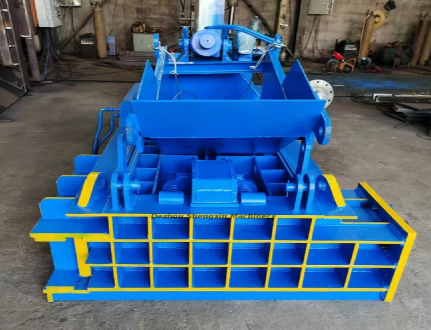
Recycling plants play a critical role in managing industrial and consumer waste, transforming scrap materials into valuable resources for new production. Among the various tools and machinery used in these facilities, scrap metal balers have become indispensable for improving both operational efficiency and safety. By compacting metal scrap into dense, manageable bales, these machines streamline workflow, reduce risks associated with loose metal, and enhance overall productivity.
Understanding how scrap metal balers contribute to workplace safety, optimize operational processes, and support sustainable recycling practices is essential for plant managers, engineers, and operators who aim to maximize efficiency while maintaining a secure working environment.
The Role of Scrap Metal Balers in Recycling Plants
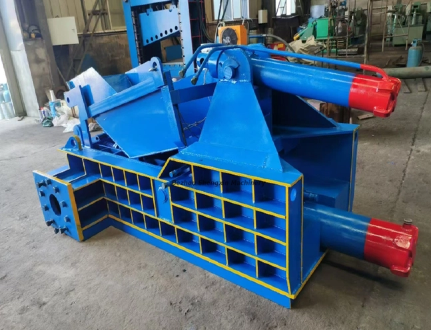
Scrap metal balers are industrial machines designed to compress various types of metals—including steel, aluminum, copper, and mixed alloys—into compact bales suitable for storage, transport, or resale. These machines vary in size, from small manual units to fully automated hydraulic systems capable of handling several tons of scrap per hour.
Key components of a typical scrap metal baler include:
Hydraulic System: Provides the pressure necessary to compress scrap metal into dense bales.
Pressing Chamber: Where scrap metal is compacted.
Control Panel: Allows operators to regulate compression, bale size, and operational settings.
Bale Ejector: Mechanism to safely remove finished bales.
Frame and Structural Supports: Heavy-duty construction ensures durability under high pressure.
By efficiently compressing scrap metal, balers make subsequent handling and transportation safer and more manageable, forming the backbone of streamlined workflow in recycling plants.
Enhancing Safety in Recycling Plants
Recycling plants are inherently high-risk environments. Employees are constantly working around heavy machinery, handling sharp metal fragments, and navigating areas with continuous material movement. The presence of loose scrap metal, irregularly shaped pieces, and potentially flammable materials increases the likelihood of accidents. Scrap metal balers have emerged as a critical tool in addressing these safety challenges, transforming recycling facilities into safer, more organized, and efficient workplaces.
1. Minimizing Loose Scrap Hazards
One of the most pressing dangers in recycling plants is loose scrap scattered across the floor. Small metal fragments, jagged edges, and uneven piles can easily cause cuts, puncture wounds, or slips and falls. By consolidating scrap into tightly compacted bales, balers drastically reduce the number of loose metal pieces in the facility. This not only lowers the risk of accidents but also helps maintain a cleaner, more organized workspace. In facilities that process large volumes of scrap, the reduction in loose debris can prevent multiple injury incidents annually, safeguarding both employees and operational continuity.
2. Reducing Manual Handling
Manual handling of scrap metal is physically demanding and carries a high risk of musculoskeletal injuries. Lifting heavy, irregularly shaped, or awkwardly sized scrap repeatedly can lead to chronic back pain, strains, or other long-term health issues. Scrap metal balers minimize this risk by compressing loose metal into uniform bales that can be moved with forklifts, conveyors, or pallet jacks. This reduces repetitive lifting and bending, limits operator fatigue, and significantly decreases the likelihood of strain-related injuries. Over time, this not only protects employees but also reduces absenteeism and associated labor costs.
3. Containing Sharp Edges
Sharp metal edges are a frequent source of injury during storage, handling, and transport. By compressing scrap into dense, standardized bales, balers effectively contain these edges within the block, reducing the chances of contact injuries. Workers handling the bales can use protective equipment more efficiently, and machinery can process or transport scrap with fewer safety concerns. Additionally, uniform bales reduce the unpredictability of loose pieces, further improving operational safety and worker confidence.
4. Improving Fire Safety
Fire hazards are another concern in recycling facilities, particularly when scrap contains flammable coatings, residual liquids, or metal dust. Loose scrap piles can ignite easily, and uneven material accumulation increases the risk of fire spreading quickly. Baling scrap metal into compact, controlled units limits surface exposure and potential ignition points, making fire prevention easier. Facilities can also better monitor storage areas and comply with fire safety regulations, mitigating risks associated with both personnel and equipment.
5. Supporting Safety Compliance
Regulatory compliance is a critical aspect of operating a recycling plant. Organizations such as OSHA and local safety authorities set strict standards for workplace safety, manual handling, and storage practices. Utilizing scrap metal balers helps facilities meet these requirements by reducing direct contact with hazardous scrap, controlling storage conditions, and minimizing potential accident scenarios. Proper documentation of baler usage, maintenance schedules, and safety protocols also strengthens compliance audits, providing peace of mind and operational legitimacy.
Streamlining Workflow and Operational Efficiency
Beyond improving safety, scrap metal balers play a pivotal role in enhancing workflow efficiency across recycling operations. By standardizing scrap handling and creating uniform bales, facilities can optimize every stage of the recycling process.
1. Efficient Storage and Space Utilization
Compacted bales occupy far less space than loose scrap, allowing facilities to store larger volumes of material within a smaller footprint. This efficient space utilization frees up floor areas for other operational activities, reducing clutter and creating a more organized work environment. Clear pathways and systematic storage also improve worker mobility, contributing to both safety and operational speed.
2. Simplifying Transportation
Uniform bales are easier to transport within the facility and to external recycling centers. The standardized size and density of bales make them stackable and compatible with forklifts, pallet jacks, and shipping containers. This reduces the number of transportation trips required, saves fuel, lowers emissions, and minimizes labor-intensive handling. The consistency of bales also reduces the risk of spillage during transit, ensuring that material reaches its destination intact.
3. Accelerating Processing
Consistent bale sizes simplify downstream processes such as sorting, shredding, melting, and repurposing. Automated machinery, including conveyors, shredders, and furnaces, can handle standardized bales more efficiently than loose, irregular scrap. This uniformity reduces machine downtime, optimizes production cycles, and increases overall throughput. Recycling plants that implement balers report faster processing times and improved operational reliability.
4. Minimizing Material Loss
Loose scrap is prone to spillage, contamination, or theft during storage and transport. Compact bales protect material integrity, ensuring that the maximum amount of scrap reaches recycling or resale destinations. By reducing material loss, facilities can increase profitability and maintain a more accurate inventory, which is particularly important when handling high-value metals such as copper or aluminum.
5. Facilitating Automation
Modern recycling plants increasingly rely on automated systems for sorting, feeding, and transporting materials. Scrap metal balers produce uniform, dense bales that can be seamlessly integrated into robotic arms, automated conveyors, and mechanized forklifts. This allows high-volume operations to function with minimal human intervention, reducing labor costs while maintaining precision and consistency in material handling. Automation also enhances scalability, enabling facilities to process higher volumes as demand increases.
Environmental and Energy Benefits
Using scrap metal balers not only improves operational efficiency but also significantly contributes to sustainability and energy conservation in recycling facilities.
Reducing Landfill Dependence: By compacting scrap metal into dense, uniform bales, recycling plants can store and transport more material efficiently, reducing the volume of waste sent to landfills. This not only conserves valuable landfill space but also mitigates environmental pollution associated with waste disposal.
Lowering Transportation Energy: Compact bales require fewer trips for transportation, directly cutting fuel consumption and lowering greenhouse gas emissions. Efficient logistics reduce the facility’s carbon footprint while saving operational costs.
Promoting Recycling Efficiency: Standardized bales streamline sorting, melting, and remelting processes, making recycling faster and more energy-efficient. For instance, recycling aluminum scrap consumes up to 95% less energy compared to primary aluminum production from bauxite ore. Similarly, recycled copper and steel require substantially less energy than virgin production.
In this way, scrap metal balers help recycling plants enhance operational efficiency while promoting environmentally responsible practices and reducing overall energy consumption.
Maintenance and Operational Best Practices
To maximize the benefits of scrap metal balers, regular maintenance and proper operation are essential:
Daily Checks: Inspect hydraulic fluid levels, check for leaks, clean debris, and ensure all electrical components function correctly.
Weekly Maintenance: Lubricate moving parts, inspect bale ejectors, and examine the pressing chamber for wear or misalignment.
Periodic Inspections: Replace hydraulic filters, inspect cylinder seals, calibrate bale size settings, and monitor motor and pump efficiency.
Operator Training: Ensure that staff are trained to handle balers safely and operate them according to manufacturer guidelines.
Adhering to these practices ensures that scrap metal balers remain reliable, efficient, and safe for long-term operation.
Conclusion
Scrap metal balers are indispensable tools for modern recycling plants, offering enhanced safety, improved workflow, and operational efficiency. By compacting scrap metal into dense, manageable bales, these machines reduce workplace hazards, streamline material handling, minimize losses, and support environmental sustainability.
For recycling plant operators seeking high-quality, reliable scrap metal balers, Dezhou Shengxin Machinery Equipment Co., Ltd. provides advanced solutions designed for safety, durability, and efficiency. Their machines are tailored to meet the diverse needs of industrial recycling operations. For more information or to explore the right baler for your facility, you can visit their website or contact them directly.


