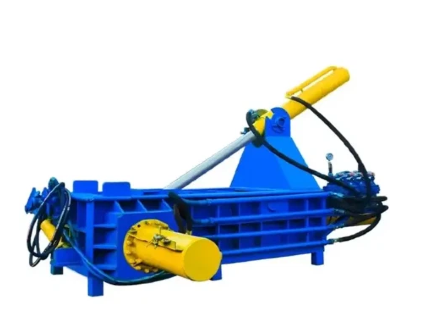
Recycling has become a cornerstone of sustainable industry and environmental protection. As the demand for efficient waste management increases, businesses are seeking innovative solutions to optimize their operations, reduce costs, and minimize environmental impact. One of the most transformative tools in modern recycling facilities is the scrap metal baler. These machines not only streamline recycling processes but also significantly improve operational efficiency, safety, and profitability.
In this article, we will explore how scrap metal balers work, their key benefits, and why integrating them into recycling operations can transform the way facilities handle scrap metal.
What is a Scrap Metal Baler?
A scrap metal baler is a heavy-duty machine designed to compress and bundle scrap metal into dense, manageable bales. These machines can handle a wide variety of materials, including aluminum, steel, copper, and other ferrous and non-ferrous metals. By compacting metal waste, balers reduce volume, making storage, handling, and transportation much more efficient.
Modern scrap metal balers come in various types, including vertical balers, horizontal balers, and fully automatic systems. The choice of baler depends on factors such as production scale, material type, and facility layout. Regardless of type, all scrap metal balers share a common goal: improving the recycling process while maximizing productivity and cost-effectiveness.
How Scrap Metal Balers Improve Efficiency
Scrap metal balers are essential machines in modern recycling operations, offering multiple benefits that streamline processes and enhance overall efficiency. By compressing loose metal into dense, uniform bales, these machines address some of the most common challenges faced by recycling facilities, including storage limitations, transportation difficulties, labor-intensive handling, and sustainability concerns. Below, we explore in detail how scrap metal balers improve efficiency in recycling operations.
1. Reducing Storage Space
One of the most immediate and noticeable advantages of a scrap metal baler is its ability to significantly reduce the volume of scrap metal. Loose metal can occupy a large amount of floor space, creating cluttered storage areas and making facility management difficult. Over time, scattered metal pieces can interfere with workflow, slow down operations, and even pose safety hazards to employees.
By compressing metal into compact, uniform bales, recycling facilities can store more material in the same area, dramatically improving space utilization. For example, a pile of loose aluminum scrap that once occupied several hundred square feet can be compressed into just a few tightly packed bales. This not only frees up valuable warehouse space but also allows for more organized storage, making it easier to sort, track, and manage inventory. Efficient storage also ensures that recycling operations can handle higher volumes of scrap without requiring additional storage facilities, reducing overhead costs and improving operational scalability.
2. Streamlining Transportation
Transporting scrap metal is often one of the most costly and logistically challenging aspects of recycling operations. Loose scrap is difficult to handle, often requiring multiple trips, specialized equipment, and careful handling to avoid spillage or damage. Additionally, uneven and irregularly shaped piles can make loading and unloading time-consuming and inefficient.
Scrap metal balers solve this problem by producing uniform, compact bales that are easier to stack, load, and transport. The consistent shape and density of bales reduce the risk of shifting during transit, allowing for safer handling and maximizing truck or container capacity. Fewer transportation trips are needed, which lowers fuel costs, reduces labor requirements, and minimizes environmental impact. In essence, baled scrap not only simplifies logistics but also contributes to more sustainable and cost-effective recycling operations.
3. Enhancing Material Handling
Manual handling of scrap metal is labor-intensive and poses safety risks to employees. Workers often need to lift, move, and sort heavy and irregular pieces of metal, which increases the risk of cuts, crush injuries, and back strain. Handling loose scrap can also slow down the recycling process, as more time is spent moving material than processing it.
Scrap metal balers mitigate these issues by consolidating loose metal into dense, manageable bales. Forklifts, conveyors, and automated handling systems can easily move bales to storage or loading areas, significantly reducing physical strain on employees. This automation improves workplace safety while allowing staff to focus on other critical tasks, increasing overall operational efficiency. Furthermore, organized and uniform bales make inventory management easier, allowing facilities to track materials accurately and plan production schedules more effectively.
4. Increasing Recycling Throughput
Scrap metal balers enable recycling facilities to process larger quantities of material in less time. By automating the compression and bundling process, balers reduce bottlenecks caused by manual sorting or handling of loose scrap. High-capacity machines can process hundreds or even thousands of kilograms of metal per hour, allowing plants to keep up with increasing volumes of incoming material without slowing down operations.
Higher throughput means faster processing times, more efficient use of labor, and the ability to handle peak production periods without additional resources. For recycling centers, this translates into improved productivity, better resource allocation, and enhanced profitability. A facility equipped with a modern baler can process more scrap in a day than a traditional manual operation could handle in several days, demonstrating the significant impact these machines have on efficiency.
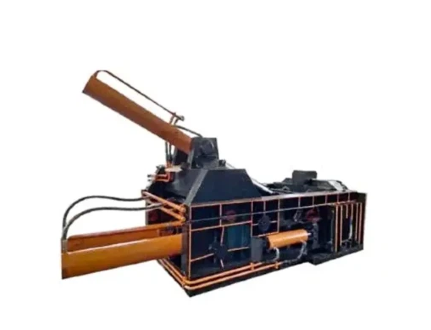
Key Features of Modern Scrap Metal Balers
To fully maximize efficiency, it is essential to select a scrap metal baler that aligns with the specific needs of a recycling operation. Some of the most important features include:
High Compression Force: Effective balers generate enough pressure to compact scrap metal into dense bales, optimizing storage and reducing transportation costs.
Automation Capabilities: Fully automatic balers reduce the need for manual labor, allowing for continuous operation, higher throughput, and more consistent bale quality.
Versatility: Machines capable of handling different types of metals, including ferrous and non-ferrous materials, provide greater flexibility and adaptability to various operations.
Safety Features: Emergency stops, safety interlocks, protective barriers, and operator-friendly controls ensure safe operation and reduce the risk of workplace accidents.
Durable Construction: High-quality materials, such as reinforced steel frames and corrosion-resistant components, extend the lifespan of the baler while minimizing maintenance requirements.
By carefully evaluating these features, recycling facilities can select a baler that delivers consistent performance, reliability, and long-term operational efficiency. The right equipment allows businesses to handle higher volumes of scrap, reduce costs, and streamline processes, ultimately transforming recycling operations into highly productive and sustainable systems.
Applications Across Industries
Scrap metal balers are not limited to traditional recycling plants. Their applications span multiple industries, including:
Automotive Industry: Balers compress scrap metal from car parts, engines, and body panels, enabling efficient recycling of end-of-life vehicles.
Construction and Demolition: Metal waste from construction sites, such as steel beams and aluminum framing, can be compacted for easy disposal or resale.
Manufacturing Plants: Facilities generating offcuts, excess material, or defective metal components can use balers to reduce clutter and streamline recycling.
Scrap Yards: Commercial scrap yards rely on balers to handle large volumes of incoming metal, ensuring safe and organized storage.
By integrating balers into these industries, companies can improve operational workflows, reduce storage needs, and increase profitability through efficient metal recovery.
Safety and Compliance Benefits
Handling loose scrap metal poses significant risks, including cuts, crush injuries, and exposure to hazardous materials. Scrap metal balers mitigate these risks by consolidating scrap into uniform, manageable bales, reducing direct contact. Modern balers also incorporate safety interlocks, protective gates, and emergency stop mechanisms, ensuring that operators remain safe during use.
Moreover, many regions have regulations governing metal recycling and waste management. By improving sorting, storage, and handling, scrap metal balers help facilities maintain compliance with environmental and occupational safety standards.
Maintenance and Longevity
Like any industrial equipment, scrap metal balers require regular maintenance to ensure optimal performance. Key maintenance practices include:
Regular Lubrication: Ensures smooth operation of moving parts and prevents premature wear.
Inspection of Hydraulic Systems: Hydraulic fluid levels, hoses, and seals should be checked frequently to avoid leaks or pressure loss.
Cleaning: Metal debris and dust should be removed from the machine to maintain efficiency and prevent malfunctions.
Component Replacement: Worn-out parts such as cutting knives, hydraulic cylinders, or pressure sensors should be replaced promptly to avoid downtime.
Proper maintenance extends the lifespan of the baler, reduces operational disruptions, and ensures consistent efficiency.
Conclusion
The adoption of scrap metal balers is a game-changer for recycling operations across industries. By maximizing efficiency, improving safety, reducing storage and transportation costs, and supporting sustainable practices, these machines transform the way scrap metal is managed. Facilities that integrate scrap metal balers into their operations experience higher productivity, safer working conditions, and greater profitability.
For businesses looking to implement reliable and high-performance scrap metal balers, Dezhou Shengxin Machinery Equipment Co., Ltd. offers a wide range of solutions tailored to industrial needs. Their products are designed to enhance recycling efficiency, ensure durability, and meet the rigorous demands of modern operations. Contacting them can provide expert guidance and help your facility achieve optimal performance in scrap metal management.


