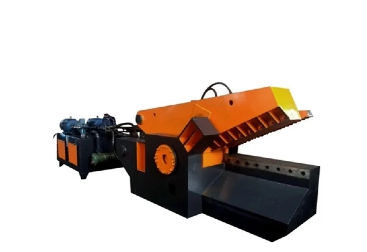
A shearing machine is one of the most fundamental and widely used machines in the field of metalworking. Designed to cut sheet metal, plates, or bars into precise sizes, the shearing machine plays a critical role in the production processes of many industries. Unlike traditional cutting tools, it uses the principle of shear force to separate materials quickly and accurately, ensuring high efficiency and reliable performance.
In modern manufacturing and construction, the demand for fast, accurate, and cost-effective cutting methods has made shearing machines indispensable. Whether in small workshops or large industrial plants, these machines contribute significantly to productivity and safety.
This article will explain the basic concepts, types, components, applications, and advantages of shearing machines. It will also highlight important considerations when selecting and maintaining them, as well as current development trends. Finally, we will recommend a professional supplier, Dezhou Shengxin Machinery Equipment Co., Ltd., for those seeking high-quality shearing solutions.
Basic Concept of a Shearing Machine
A shearing machine is defined as a device that uses sharp blades to cut metal sheets, plates, or bars into required shapes and dimensions. Instead of melting, grinding, or sawing, shearing machines rely on the principle of shear stress to create straight-line cuts.
The working principle of a shearing machine is straightforward yet highly effective. It relies on two blades: a fixed lower blade and a moving upper blade, which work together to apply strong shear force. As the upper blade moves downward and presses against the material, the stress exceeds the metal’s shear strength, causing it to separate cleanly. This process ensures accurate, straight-line cuts with minimal material waste, making the shearing machine an efficient choice for high-volume metal cutting applications.
Compared to other cutting methods, such as laser cutting or plasma cutting, shearing machines are more cost-effective for straight-line cuts. While laser and plasma machines can handle complex shapes and contours, they require higher investment and maintenance costs. Shearing machines remain the go-to choice for fast, large-volume sheet metal cutting where simplicity and speed are priorities.
Main Types of Shearing Machines
Shearing machines are available in various designs to meet different cutting needs. The most common types include:
1. Mechanical Shearing Machine
Operates using a flywheel and clutch system.
Ideal for cutting medium and thin sheets.
Provides high cutting speed but is less suitable for very thick plates.
2. Hydraulic Shearing Machine
Powered by hydraulic cylinders that drive the blades.
Offers strong cutting force, making it suitable for thicker plates.
Delivers stable performance and can handle heavy-duty tasks.
3. CNC Shearing Machine (Computer Numerical Control)
Equipped with digital control systems for precise operation.
Allows automation, programmable cutting length, and high repeat accuracy.
Commonly used in large-scale, high-precision production environments.
These three categories cover most industrial needs, from small workshops to large factories. Choosing the right type depends on material thickness, production scale, and required precision.
Key Structural Components of a Shearing Machine
A shearing machine is built with several important components that ensure functionality and safety:
Upper and Lower Blades – The cutting tools responsible for shearing. Blade quality directly affects cutting precision and durability.
Clamping Device (Hold-down System) – Prevents material movement during cutting, ensuring accuracy and safety.
Drive System – Can be mechanical (flywheel and clutch) or hydraulic, depending on the machine type.
Control System – Ranges from manual levers to advanced CNC panels, allowing flexibility in operation.
Worktable and Positioning Device – Provides support and ensures accurate alignment of sheet metal.
These components work together to provide smooth, efficient, and reliable cutting operations.
Applications of Shearing Machines
The versatility of shearing machines makes them vital across numerous industries:
Metal Processing – Cutting steel sheets, stainless steel, and aluminum plates for further fabrication.
Automotive Industry – Preparing body panels and components with consistent quality.
Construction Sector – Cutting steel plates used in structural frameworks and building materials.
Home Appliance Industry – Producing casings and components for refrigerators, washing machines, and ovens.
Shipbuilding and Aerospace – Handling large steel plates and aluminum sheets for hulls and aircraft structures.
From heavy industries to consumer product manufacturing, the shearing machine ensures productivity and standardization.
Advantages and Limitations of Shearing Machines
Advantages:
Shearing machines offer several advantages that make them highly valuable in industrial production. Their high efficiency allows companies to cut large volumes of sheet metal quickly, greatly improving productivity. They are also cost-effective, with lower operational expenses compared to advanced methods such as laser or plasma cutting. In addition, the machines feature easy operation, requiring less training for workers, and they generate minimal waste, producing clean, straight cuts with maximum material utilization.
Limitations:
Despite their strengths, shearing machines also have certain limitations. The edge quality of cuts may sometimes produce burrs or rough surfaces, which require secondary finishing processes like grinding or polishing. Furthermore, these machines are restricted to limited cutting shapes, making them suitable only for straight-line cuts and not for complex curves or intricate patterns. While they are not an all-purpose cutting solution, a shearing machine is ideal where straight and simple cuts are essential.
Factors to Consider When Selecting a Shearing Machine
Before purchasing a shearing machine, buyers should evaluate:
Material Thickness and Width – Machines must match the dimensions of the materials being processed.
Production Capacity – Consider whether small-batch or mass production is needed.
Blade Material and Durability – High-quality blades ensure long service life and precise cutting.
Automation and CNC Features – Essential for modern, high-efficiency production lines.
Brand Reputation and After-Sales Service – Reliable suppliers provide not only equipment but also long-term support.
These factors determine the efficiency, lifespan, and return on investment of the equipment.
Maintenance and Safety of Shearing Machines
Proper maintenance is critical for the longevity and safety of shearing machines. Key practices include:
Regular Blade Inspection – For a shearing machine, blades must be checked frequently. Dull or damaged blades should be sharpened or replaced promptly to maintain cutting precision and extend machine life.
Hydraulic System Care – In hydraulic shearing machines, keeping the system clean, leak-free, and filled with the right fluid ensures stable performance, prevents breakdowns, and guarantees safe long-term operation.
Operator Training – Workers using a shearing machine should receive proper training. Understanding operation procedures and safety protocols reduces accidents and improves overall efficiency in production.
Load Management – Avoiding overload is essential for any shearing machine. Exceeding the machine’s designed cutting capacity can damage components, reduce accuracy, and shorten equipment lifespan.
Following these practices not only extends machine lifespan but also ensures workplace safety.
Conclusion
A shearing machine is a vital tool in modern manufacturing, offering an efficient and economical solution for cutting sheet metal and plates. While it has some limitations, such as being best suited for straight-line cuts, its advantages in speed, cost, and productivity far outweigh these drawbacks. As the demand for automation and precision grows, the shearing machine will continue to evolve and play a crucial role in industrial production.
For businesses looking to invest in reliable shearing machines, we strongly recommend Dezhou Shengxin Machinery Equipment Co., Ltd.. With years of expertise, advanced manufacturing technology, and a reputation for quality and service, the company provides top-tier shearing solutions tailored to customer needs. Whether you are a small workshop or a large-scale factory, partnering with Dezhou Shengxin Machinery Equipment Co., Ltd. ensures efficiency, durability, and long-term value.


