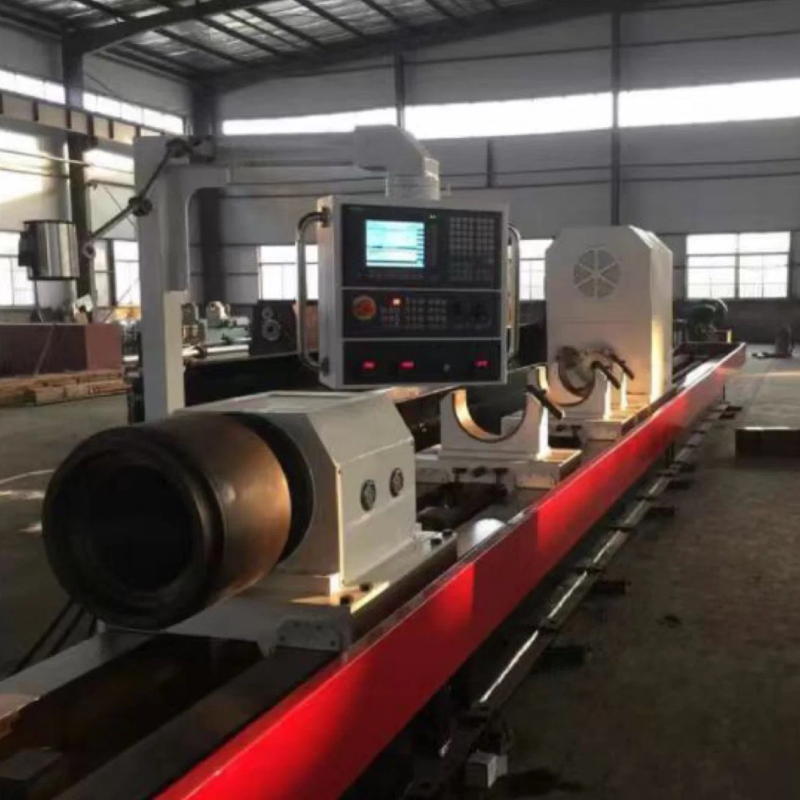
In the ever-evolving world of manufacturing and engineering, precision and efficiency are paramount. One of the key processes that embody these qualities is deep hole boring. This specialized machining technique is essential in creating accurate and reliable components for a variety of industries.
From aerospace to oil and gas, deep hole boring machines play a crucial role in producing high-quality parts that meet strict industry standards. Understanding how these machines work and their applications can provide valuable insights for professionals and enthusiasts alike.
Deep Hole Boring Machines: An Essential Guide to Their Function and Applications
Deep hole boring machines are designed to drill holes with a high depth-to-diameter ratio, often exceeding 10:1. These machines require precise engineering to ensure accuracy, efficiency, and safety during the drilling process.
Understanding Deep Hole Boring Machines
Deep hole boring machines are specialized equipment used to create deep, precise holes in various materials. The process involves removing material to create holes that are significantly deeper than their diameter. This requires advanced techniques to manage chip removal, coolant flow, and tool stability.
The machines utilize specialized tools such as BTA (Boring and Trepanning Association) drills and gundrills. These tools are designed to facilitate effective coolant delivery and chip evacuation, which are critical for maintaining the integrity of the hole and the longevity of the tool.
Precision is a key aspect of deep hole boring. The machines are equipped with advanced control systems that allow for meticulous positioning and movement of the cutting tools. This ensures that the holes meet exact specifications, which is essential in industries where tolerances are tight.
Material compatibility is another important factor. Deep hole boring machines must be capable of drilling through a variety of materials, including steels, alloys, and exotic metals. This versatility is achieved through robust machine construction and adaptable tooling options.
Regular maintenance and calibration are vital for the optimal performance of these machines. Proper upkeep ensures consistent accuracy, prolongs tool life, and enhances overall productivity.
Applications of Deep Hole Boring Machines
Deep hole boring machines are utilized across multiple industries due to their ability to produce precise and deep holes. Some of the primary applications include:
In the aerospace industry, these machines are used to manufacture critical components such as landing gear, turbine shafts, and other structural elements that require high precision and reliability.
The oil and gas sector relies on deep hole boring for drilling equipment, exploration tools, and pipeline components. The ability to create long, straight holes with tight tolerances is essential for the safety and efficiency of operations.
In the medical field, deep hole boring machines produce surgical instruments and implantable devices. Precision is paramount here to ensure patient safety and the effectiveness of medical procedures.
The automotive industry uses these machines for engine blocks, drive shafts, and transmission components. High accuracy in these parts contributes to the performance and reliability of vehicles.
Advantages of Using Deep Hole Boring Machines
Employing deep hole boring machines offers several benefits:
Precision and Accuracy: Advanced control systems and specialized tooling enable these machines to produce holes that meet exact specifications, which is crucial in high-stakes industries.
Efficiency: Deep hole boring machines are designed to operate at high speeds while maintaining accuracy, resulting in increased productivity and reduced production times.
Versatility: The ability to work with various materials and create a wide range of hole sizes makes these machines adaptable to different manufacturing needs.
Cost-Effectiveness: By reducing material waste and improving production efficiency, deep hole boring machines can lower operational costs over time.
Quality Surface Finish: These machines provide excellent surface finishes, reducing the need for additional machining processes and improving the overall quality of the final product.
Key Features to Consider When Selecting a Deep Hole Boring Machine
When choosing a deep hole boring machine, several factors should be considered to ensure it meets your specific requirements:
Machine Capacity: Evaluate the maximum depth and diameter the machine can handle to ensure it aligns with your project needs.
Tooling Options: Look for machines that offer a variety of tooling solutions to accommodate different materials and hole specifications.
Control Systems: Advanced CNC controls enhance precision and allow for complex machining operations.
Coolant and Chip Removal Systems: Efficient coolant delivery and chip evacuation are essential for maintaining tool life and hole quality.
Support and Service: Consider manufacturers that offer comprehensive support, training, and maintenance services.
Future Trends in Deep Hole Boring Technology
The field of deep hole boring is continually advancing, with new technologies emerging to improve efficiency and accuracy:
Automation: Incorporating automation and robotics can increase production speeds and reduce human error.
Advanced Materials: The development of new cutting materials and coatings enhances tool life and performance.
Smart Monitoring: Integrating sensors and IoT technology allows for real-time monitoring and predictive maintenance.
Energy Efficiency: Innovations aim to reduce the energy consumption of machines, lowering operational costs and environmental impact.
Customization: Increasing demand for specialized components drives the need for machines capable of handling custom specifications.
In conclusion, staying informed about deep hole boring machines is essential for anyone involved in precision manufacturing. By understanding their capabilities, applications, and the latest trends, businesses can make informed decisions to enhance their operations.
Investing in advanced deep hole boring technology can lead to improvements in product quality, efficiency, and competitiveness in the market. As the industry continues to evolve, keeping abreast of these developments will be crucial for success.
FAQ
Q: What is the main purpose of a deep hole boring machine?
A: It is used to drill deep, precise holes with a high depth-to-diameter ratio in various materials for industrial applications.
Q: What industries benefit most from deep hole boring machines?
A: Aerospace, oil and gas, medical, automotive, and energy industries commonly use these machines for their precision drilling needs.
Q: What are the key features to look for in a deep hole boring machine?
A: Important features include machine capacity, tooling options, advanced control systems, efficient coolant and chip removal, and manufacturer support.


