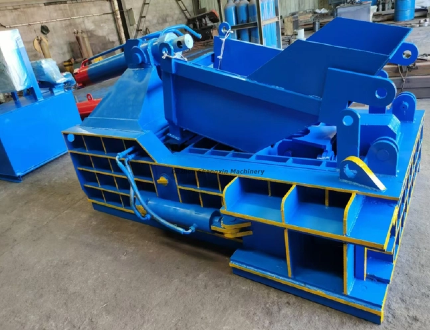
Recycling plays an essential role in today’s global economy, reducing environmental impact, conserving resources, and creating value from materials that would otherwise go to waste. Within the recycling industry, scrap metal balers have emerged as indispensable tools for processing and managing metal waste efficiently. These machines not only streamline operations but also allow recycling facilities to handle a wide variety of metals—ranging from ferrous to non-ferrous—optimizing storage, transportation, and overall workflow.
Understanding Ferrous and Non-Ferrous Metals
Before diving into the role of scrap metal balers, it is important to understand the two main categories of metals commonly recycled: ferrous and non-ferrous.
Ferrous Metals: These metals contain iron and are typically magnetic. Common examples include steel, iron, and cast iron. Ferrous metals are widely used in construction, automotive manufacturing, machinery, and household appliances due to their strength and durability.
Non-Ferrous Metals: These metals do not contain significant amounts of iron and are generally non-magnetic. Examples include aluminum, copper, brass, zinc, and stainless steel. Non-ferrous metals are valued for their corrosion resistance, lightweight properties, and conductivity, making them essential in industries such as electronics, aerospace, and packaging.
Both types of metals require different handling and processing considerations, and this is where scrap metal balers become essential for efficient recycling operations.
The Role of Scrap Metal Balers in Recycling
A scrap metal baler is a heavy-duty machine designed to compress and bundle scrap metal into dense, manageable bales. These machines offer several advantages across both ferrous and non-ferrous recycling processes:
Volume Reduction: Loose scrap can take up significant space, making storage inefficient. By compressing metals into bales, facilities can maximize storage capacity.
Streamlined Transportation: Uniform bales are easier to handle, load, and transport, reducing labor costs and minimizing trips.
Enhanced Safety: Manual handling of sharp or heavy scrap poses serious risks. Baled metals are safer to manage, reducing workplace accidents.
Increased Recycling Throughput: Automated balers allow plants to process larger quantities of metal in less time, increasing operational efficiency.
Environmental Sustainability: Efficient compaction reduces waste, promotes material reuse, and minimizes the carbon footprint of transportation and storage.
Using Scrap Metal Balers for Ferrous Metals
Ferrous metals, being strong and often heavy, require balers capable of generating high compression forces. Here’s how scrap metal balers handle ferrous materials effectively:
1. Steel and Iron
Steel and iron scraps are common in industrial and construction sites. Vertical and horizontal scrap metal balers can compress these metals into dense bales, which significantly reduces volume. The high-density bales make transportation and storage easier, and the uniform size facilitates further processing or resale.
Applications: Automotive parts, structural beams, machinery components, and household appliances.
Considerations: Heavy-duty hydraulic systems are often required to handle high-density steel or iron scrap. Baler construction must withstand repeated high-pressure cycles to ensure durability.
2. Cast Iron
Cast iron scrap, often generated from engines, pipes, and industrial machinery, is brittle but heavy. Balers are used to consolidate this scrap into uniform bales to reduce storage space and improve transportation safety. The compression process must balance force with material characteristics to avoid excessive fragmentation, which could cause safety or operational issues.
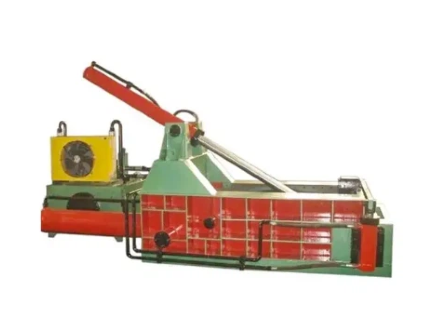
Using Scrap Metal Balers for Non-Ferrous Metals
Non-ferrous metals, while generally lighter than ferrous metals, often require careful handling due to their higher value, unique physical properties, and widespread industrial applications. Efficient processing of these metals is critical for recycling facilities that aim to maximize profitability and operational efficiency. Scrap metal balers are ideal for managing non-ferrous metals such as aluminum, copper, brass, zinc, and various alloys, as they provide consistent bale quality, streamline handling, and protect material integrity.
1. Aluminum
Aluminum is one of the most commonly recycled non-ferrous metals, widely used in packaging, automotive components, and construction materials. Its light weight, high recyclability, and relatively low density make it an excellent candidate for baling.
Volume Reduction: Aluminum scrap, whether generated from beverage cans, window frames, siding, or extrusion offcuts, can occupy substantial storage space if left loose. By compacting aluminum into dense bales, facilities can dramatically reduce volume, freeing up valuable warehouse space and allowing for better organization. This also enables recycling plants to handle larger quantities of scrap without the need for additional storage facilities.
Cost Efficiency: Transporting loose aluminum scrap can be cumbersome and expensive, as irregular shapes may require multiple trips or specialized packaging. Compacted bales, however, are uniform in shape and easier to stack, load, and transport. This reduces transportation costs, minimizes handling time, and improves overall logistics efficiency.
Applications: Aluminum baled scrap finds its way back into multiple industries, including beverage can recycling, automotive body panels, window frames, siding materials, and construction extrusions. Consistently baled aluminum ensures high material purity and enhances resale value, making it a profitable component of recycling operations.
2. Copper
Copper is a high-value, versatile non-ferrous metal commonly used in electrical wiring, plumbing systems, electronics, and industrial machinery. Due to its significant market value, maintaining the quality and purity of copper scrap is critical.
Efficiency and Handling: Baling copper scrap allows recycling facilities to handle large volumes of wiring, tubing, and industrial components efficiently. The compact nature of bales reduces the risk of contamination or loss during storage and transportation.
Cost Benefits: By reducing manual handling and streamlining the movement of copper scrap, balers lower labor costs and minimize potential damage to valuable materials. Additionally, standardized bales make it easier for recycling centers to sell or transport copper to smelters or manufacturers.
Applications: Copper baled scrap is widely sourced from electrical wires, tubing, plumbing fixtures, HVAC components, and machinery parts. Maintaining uniform bale size and density ensures that the copper retains its value and can be efficiently melted or repurposed for new products.
3. Brass, Zinc, and Other Non-Ferrous Metals
Beyond aluminum and copper, recycling operations often encounter smaller or mixed batches of other non-ferrous metals such as brass, zinc, and various alloys. These metals, though sometimes lower in volume, still hold significant value and require careful management.
Inventory and Space Management: Baling these metals into standardized units simplifies storage and inventory management. By converting irregular scrap into uniform bales, recycling plants can maximize space utilization and improve organization.
Sorting and Processing: Compressed bales are easier to handle during sorting, whether for further processing, resale, or remelting. Standardized bales also reduce contamination risks and allow facilities to maintain high material purity, which is critical for meeting market standards.
Applications: Brass and zinc are commonly recovered from plumbing fixtures, decorative hardware, machinery components, and alloyed industrial materials. Baling these metals ensures efficient handling, preserves material value, and optimizes overall recycling workflows.
Advantages of Using Scrap Metal Balers for Non-Ferrous Metals
Operational Efficiency: Automated balers reduce manual handling, allowing staff to focus on sorting, inspection, and quality control.
Material Preservation: Uniform baling protects metals from damage, contamination, and loss, particularly important for high-value metals like copper and brass.
Enhanced Safety: Compact bales reduce hazards associated with loose scrap, including sharp edges, tripping, or accidental damage during handling.
Sustainability: Efficient compression minimizes storage space, reduces transportation trips, and lowers carbon footprint while promoting the reuse of valuable materials.
Key Features of Scrap Metal Balers for Different Materials
Choosing the right baler is crucial for optimizing efficiency across ferrous and non-ferrous recycling. Important features to consider include:
High Compression Force: Essential for dense ferrous metals but adjustable for lighter non-ferrous materials.
Automation: Fully automated balers increase throughput, reduce labor, and ensure consistent bale quality.
Material Compatibility: Machines capable of handling mixed-metal streams offer versatility for varied scrap inputs.
Safety Features: Emergency stops, interlocks, and protective guards are essential for safe operation with sharp or heavy metals.
Durable Construction: High-strength steel and corrosion-resistant components extend the life of the baler, particularly when processing abrasive ferrous scrap or corrosive non-ferrous materials.
By investing in a baler with these features, recycling facilities can process both ferrous and non-ferrous metals efficiently, safely, and profitably.
Advantages Across Recycling Operations
Using scrap metal balers for different materials provides several operational and economic benefits:
Increased Productivity: Automated balers allow for continuous operation, processing large volumes of scrap quickly.
Reduced Labor Costs: Manual sorting and handling are minimized, reducing physical strain and associated labor expenses.
Optimized Storage and Transport: Compacted bales save space, facilitate stacking, and lower transportation costs.
Enhanced Safety: Handling compacted bales is safer than loose, sharp, or heavy scrap.
Sustainability: Efficient baling reduces waste, promotes material reuse, and supports environmentally responsible practices.
Conclusion
Scrap metal balers are essential tools for modern recycling operations, capable of efficiently processing both ferrous and non-ferrous metals. From heavy steel beams to lightweight aluminum cans and valuable copper wires, balers streamline storage, transportation, and handling while improving safety, productivity, and sustainability. By selecting the right baler and following best practices, recycling facilities can maximize efficiency, reduce costs, and enhance overall operational performance.
For companies looking to implement reliable and high-performance scrap metal balers, Dezhou Shengxin Machinery Equipment Co., Ltd. provides a comprehensive range of solutions tailored to diverse recycling needs. Their machines are designed for durability, efficiency, and safe operation, ensuring that your recycling operations can handle any type of scrap metal with confidence and ease. Contacting them can help you select the right equipment and optimize your facility’s performance.


