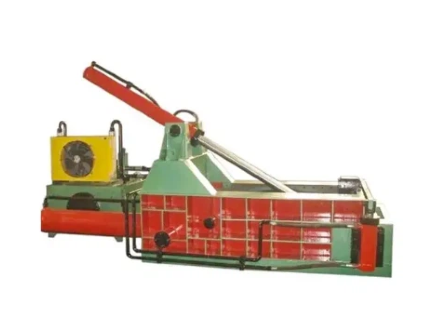
In the modern recycling and scrap metal industry, efficiency, safety, and reliability are paramount. Scrap metal balers play a crucial role in compressing, bundling, and preparing various types of scrap metal for transport, recycling, or resale. These machines not only save space and improve handling but also enhance the overall profitability of metal processing operations. However, like any heavy-duty industrial equipment, scrap metal balers require regular maintenance to ensure long-term performance, prevent costly downtime, and extend service life.
Whether you operate a large-scale recycling plant or a smaller metal processing facility, understanding proper maintenance practices for your scrap metal baler is essential. This guide provides detailed tips and best practices to keep your baler running efficiently, safely, and reliably for years to come.
Understanding Scrap Metal Balers
A scrap metal baler is designed to compress scrap metal—such as steel, aluminum, copper, and other alloys—into dense, manageable bales. These machines vary in size, capacity, and automation level, from small manual units to fully automated hydraulic balers capable of handling tons of metal per hour.
Key components of a scrap metal baler include:
Hydraulic System: Provides the force needed to compress scrap metal.
Pressing Chamber: The area where scrap is compacted into bales.
Control System: Governs operation, including start, stop, bale size, and hydraulic pressure.
Bale Ejector: Mechanism to remove finished bales from the pressing chamber.
Frame and Structural Components: Heavy-duty steel construction to withstand high-pressure compression.
Proper maintenance of each component is crucial to ensure reliable operation and maximize the lifespan of the equipment.
Why Regular Maintenance is Critical
Maintaining a scrap metal baler is not just about prolonging equipment life; it is also essential for:
Safety: Faulty components or hydraulic leaks can pose serious risks to operators.
Operational Efficiency: A well-maintained baler runs faster and more reliably, increasing throughput.
Cost Reduction: Preventing breakdowns reduces repair costs, emergency downtime, and lost productivity.
Product Quality: Properly functioning balers produce uniform, tightly packed bales, enhancing transport efficiency and resale value.
Neglecting maintenance can result in hydraulic failures, component wear, uneven bales, and even accidents. Therefore, implementing a structured maintenance routine is vital for long-term performance.
Daily Maintenance Tips
Daily checks are essential to catch potential issues before they escalate into major problems, ensuring both safety and efficiency in metal processing operations. Operators should perform these tasks at the start and end of each shift to maintain optimal performance:
Inspect Hydraulic Fluid Levels: Always verify that the hydraulic system contains sufficient clean oil. Low or contaminated oil can reduce pressure, cause uneven compression, and accelerate wear on hydraulic components. Using the manufacturer-recommended hydraulic fluid is crucial, as incorrect viscosity can impair machine performance.
Check for Leaks: Examine all hoses, seals, fittings, and cylinder connections for signs of leakage. Even minor leaks can lead to hydraulic pressure loss, potential machine damage, or safety hazards. If any leak is detected, it should be repaired immediately to prevent worsening of the problem.
Visual Inspection of Structural Components: Inspect the frame, pressing chamber, and bale ejector for cracks, deformities, or loose bolts. Pay close attention to areas subjected to high pressure and stress, as even minor structural weaknesses can compromise bale quality and operator safety.
Clean the Machine: Remove metal fragments, dust, and debris from the pressing chamber, hydraulic cylinders, and surrounding areas. Accumulated debris can obstruct moving parts, increase wear, and affect compression quality. Using compressed air or brushes for hard-to-reach areas can improve maintenance efficiency.
Check Electrical Components: Ensure all wiring, switches, control panels, and sensors are functioning properly. Faulty electrical components can lead to operational delays or unsafe conditions. Pay special attention to emergency stop buttons, indicator lights, and interlocks.
Performing these daily tasks consistently not only prevents minor issues from escalating but also enhances safety and ensures smooth, uninterrupted operation of the baler.
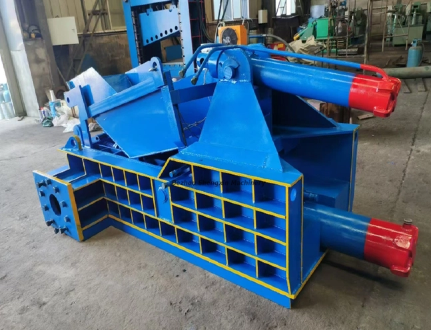
Weekly Maintenance Tips
Weekly maintenance allows for more detailed inspections and preventive care, addressing issues that may not be immediately apparent during daily checks:
Lubricate Moving Parts: Apply grease to pivot points, bearings, hinges, and other moving components as recommended by the manufacturer. Proper lubrication reduces friction, prevents premature wear, and ensures smooth operation of the pressing chamber and bale ejector.
Inspect Hydraulic Hoses and Connections: Check all hydraulic hoses for wear, cracks, bulging, or stiffness. Replace any compromised hoses immediately, as failure under high pressure can be dangerous. Ensure all connections are tightened according to specifications.
Check Bale Ejector Mechanism: Test the ejector for smooth movement and remove any obstructions. Misalignment or debris in the ejector can prevent proper bale removal, affecting operational efficiency.
Examine the Pressing Chamber: Look for metal buildup, worn or warped compression plates, and misaligned components. Ensure the chamber is free from sharp metal fragments that could damage hydraulic seals or affect bale uniformity.
Test Safety Features: Confirm that all safety mechanisms, including guards, interlocks, and emergency stop systems, are functioning correctly. High-pressure operations can be hazardous, and fully operational safety systems are critical to prevent accidents.
Weekly maintenance tasks help ensure the baler operates at peak efficiency while minimizing the risk of mechanical failure.
Monthly and Periodic Maintenance
Monthly and periodic maintenance focuses on more in-depth inspection, calibration, and replacement of key components to ensure long-term health and reliability:
Hydraulic System Maintenance: Replace hydraulic oil and filters according to the manufacturer’s recommended schedule. Using clean oil maintains optimal pressure, prevents internal component wear, and improves overall machine efficiency. Monitor hydraulic pressure and flow rates to detect early signs of system degradation.
Inspect Cylinder Seals: Hydraulic cylinder seals are susceptible to wear over time, potentially leading to leaks or loss of pressure. Regular inspection and replacement of worn seals help maintain consistent compression and protect other hydraulic components.
Structural Checks: Examine the baler’s frame, pressing plates, and structural welds for fatigue, cracks, or deformation. Addressing structural issues early prevents catastrophic failure and maintains bale quality. Use non-destructive testing methods if necessary for high-stress areas.
Alignment and Calibration: Verify that all moving components are correctly aligned. Ensure bale size settings and compression pressures are calibrated according to operational requirements. Misalignment can lead to uneven bales, increased wear, and reduced throughput.
Motor and Pump Efficiency Checks: Monitor the performance of electric motors and hydraulic pumps. Listen for unusual noises, vibrations, or drops in performance. Early detection of motor or pump issues can prevent major breakdowns and costly downtime.
Record Keeping: Maintain a detailed log of maintenance activities, repairs, and inspections. This record helps track recurring issues, informs replacement schedules, and ensures compliance with safety and operational standards.
Performing these monthly and periodic maintenance tasks ensures your scrap metal baler continues to operate efficiently, safely, and reliably over its lifespan.
Common Issues and Troubleshooting
Even with proper maintenance, scrap metal balers can encounter common issues. Knowing how to identify and troubleshoot these problems helps minimize downtime:
Uneven Bales: Often caused by misaligned pressing plates or inconsistent feed material. Realign plates and ensure metal is fed evenly.
Hydraulic Pressure Loss: May result from low fluid levels, air in the system, or worn seals. Check fluid and bleed air from the system if necessary.
Slow Operation: Could indicate worn hydraulic components, contaminated oil, or mechanical obstruction. Inspect hoses, cylinders, and moving parts.
Excessive Noise or Vibration: May be due to loose bolts, misalignment, or worn bearings. Tighten fasteners and replace damaged components.
Routine troubleshooting as part of maintenance helps prevent these minor issues from developing into severe problems.
Tips for Maximizing Baler Longevity
To ensure your scrap metal baler performs reliably for years:
Follow Manufacturer Guidelines: Always adhere to recommended maintenance schedules and operational guidelines.
Use Quality Hydraulic Fluid: High-quality oil reduces wear and enhances system efficiency.
Train Operators Properly: Skilled operators minimize misuse, overloading, and accidents.
Avoid Overloading: Consistently overloading the baler can cause structural damage and hydraulic failures.
Maintain a Clean Environment: Keeping the machine and surrounding area free from metal debris and dust reduces wear and enhances safety.
The Role of Professional Support
Even with diligent in-house maintenance, working with experienced suppliers and service providers can enhance baler performance. Professional support ensures access to genuine parts, expert troubleshooting, and advice on optimizing operation. Manufacturers like Dezhou Shengxin Machinery Equipment Co., Ltd. offer a range of high-quality scrap metal balers along with technical support to help businesses maintain peak efficiency.
Conclusion
Proper maintenance of a scrap metal baler is essential for long-term performance, operational efficiency, and safety in metal recycling operations. By following daily, weekly, and periodic maintenance routines, monitoring hydraulic systems, inspecting structural components, and addressing issues proactively, operators can maximize the lifespan of their balers and ensure consistent, high-quality bales.
For companies looking to invest in reliable scrap metal balers or seeking professional maintenance support, Dezhou Shengxin Machinery Equipment Co., Ltd. provides high-performance equipment and expert guidance tailored to your needs. Their products and services ensure that your metal processing operations remain efficient, safe, and productive for years to come.


